
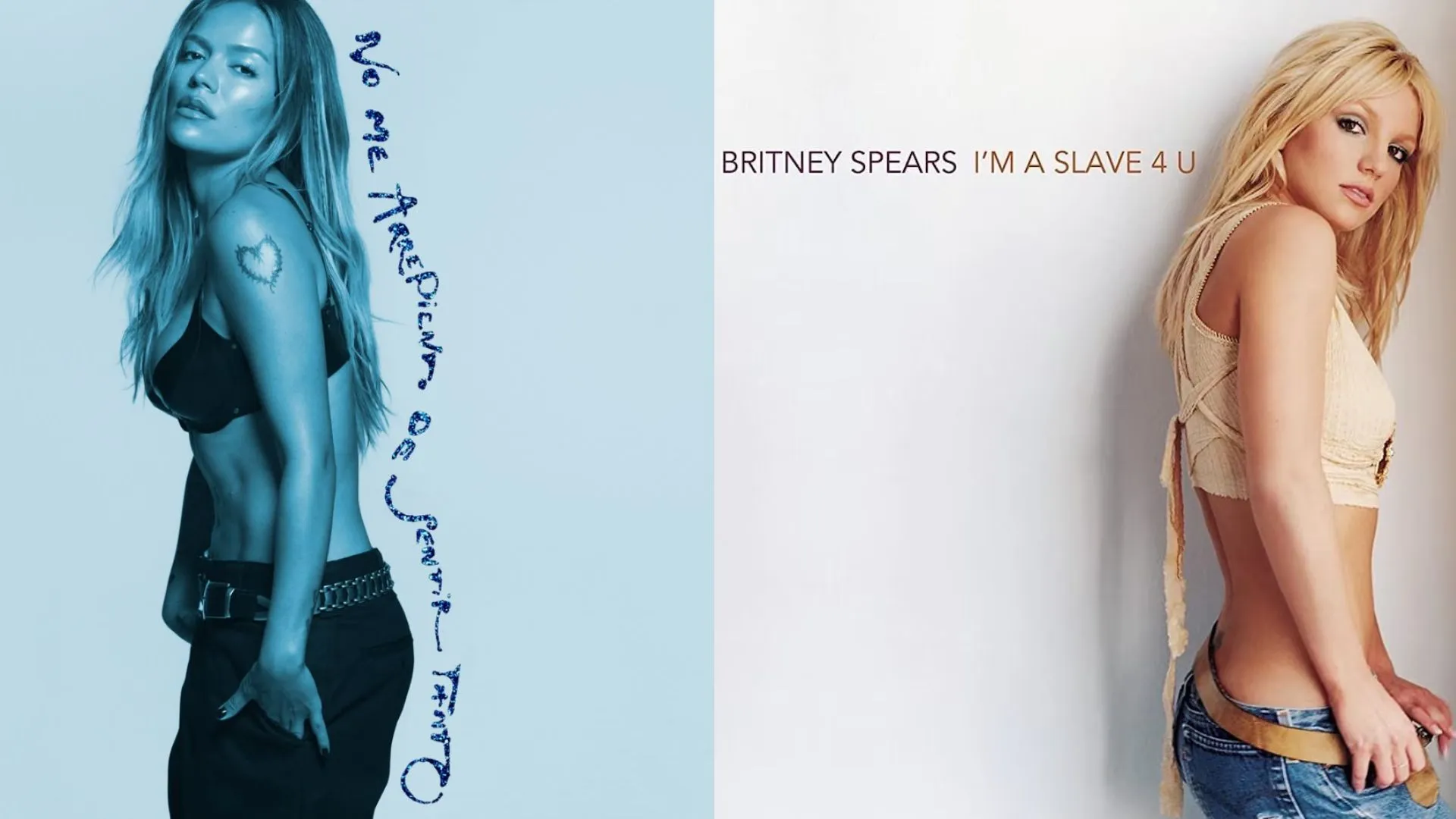
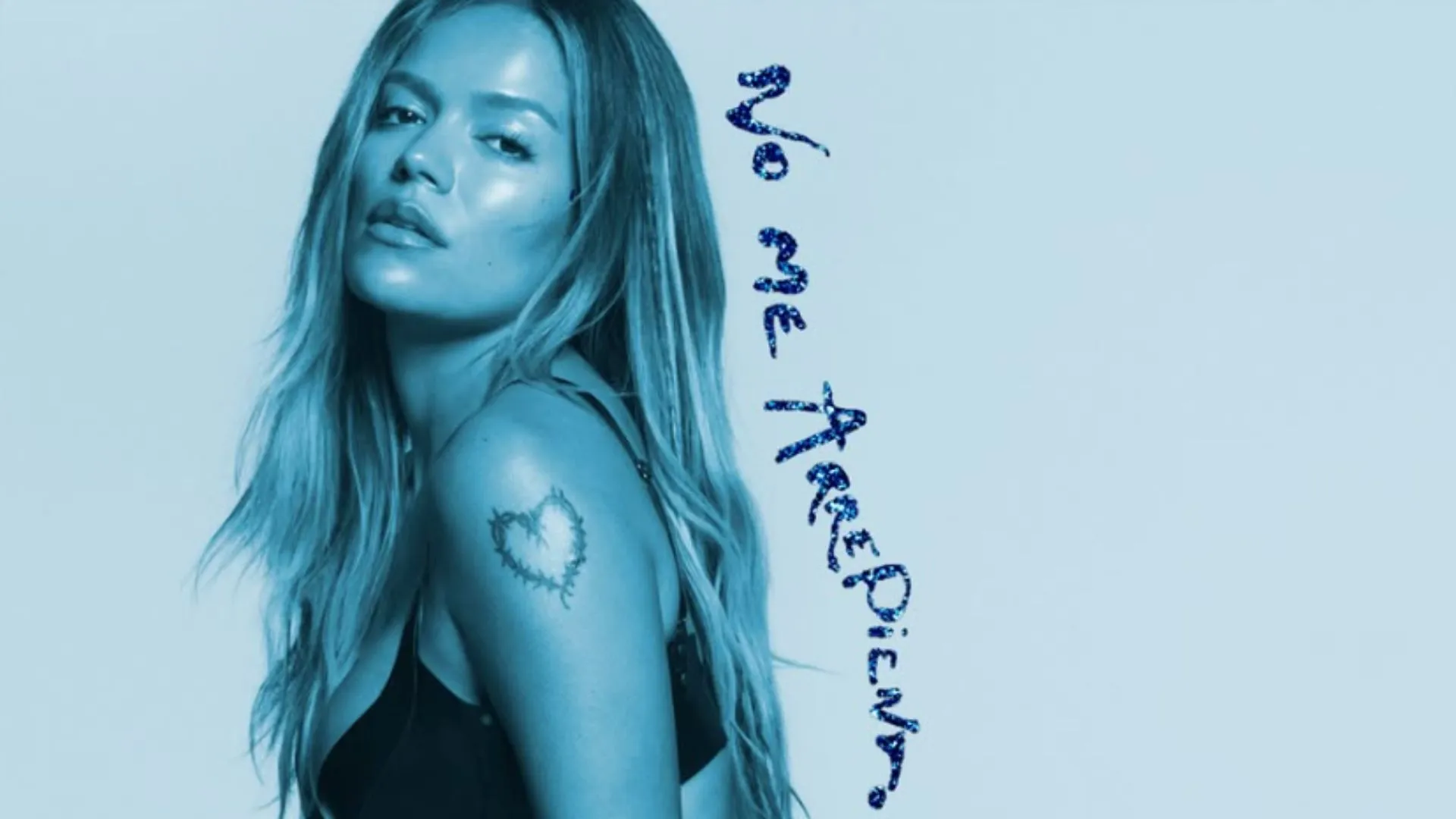
The vibrant world of Latin music is abuzz with a developing controversy surrounding global superstar Karol G and the cover art for her upcoming album, "No me arrepiento de sentir tanto," slated for release on August 7th. Since its unveiling, the striking visual has ignited a fierce debate across social media platforms, with a significant portion of fans and critics pointing out striking resemblances to the iconic aesthetic of Britney Spears during her "In the Zone" era, released in 2003. This has polarized opinions, sparking a discourse between those who allege outright plagiarism and those who champion the artwork as a deliberate and respectful homage to one of Karol G’s acknowledged musical idols. The discussion around the album cover is unfolding amidst a period of heightened visibility for the Colombian artist, as her current tour has already been marked by several noteworthy incidents, including a security breach during a performance in Toronto and a heartwarming spontaneous interaction with a young fan requesting a song by Shakira.
The Visual Nexus: A Tale of Two Eras
The controversy was precipitated by the reveal of the album art for "No me arrepiento de sentir tanto." Immediately following its release, a groundswell of online commentary emerged, highlighting uncanny similarities between Karol G’s cover and promotional imagery associated with Britney Spears’ "In the Zone" period. The visual elements that have drawn the most attention include the use of deep, atmospheric blue tones, a subtle and moody lighting scheme, and a deliberate compositional style that many observers feel echoes the sophisticated, often ethereal, aesthetic that defined Spears’ work in the early 2000s.
For instance, promotional photos from Spears’ "In the Zone" album cycle, particularly those associated with singles like "Toxic" and "Everytime," often featured a similar interplay of shadow and light, emphasizing a mood of introspective yet powerful femininity. The blue palette, frequently employed to evoke a sense of calm, mystery, or even melancholy, has been a recurring theme in both artists’ visual presentations. This stylistic convergence has led to a flurry of comparisons on platforms like X (formerly Twitter) and Instagram, where users have shared side-by-side images, fueling the debate.
Comments such as "It’s giving Britney Spears In the Zone" and "That cover is very Britney" have become commonplace, articulating the perceived visual lineage. This immediate recognition by a segment of the audience suggests that the stylistic choices, whether intentional or not, have tapped into a recognizable cultural memory.
Homage or Infringement: Navigating Artistic Intent
At the heart of the controversy lies the fundamental question of artistic intent. While the visual parallels are undeniable to many, the absence of an official statement from Karol G or her team regarding the inspiration behind the cover art leaves room for interpretation and speculation.
Those who view the artwork as a potential act of plagiarism point to the sheer number of overlapping elements. They argue that the similarities go beyond mere coincidence and suggest a deliberate replication of a successful and influential visual identity. This perspective often emphasizes the importance of originality in artistic creation and the potential for established artists to be influenced by, rather than directly copy, their predecessors.
Conversely, a significant portion of Karol G’s fanbase and many industry observers contend that the artwork represents a heartfelt tribute. This viewpoint is bolstered by Karol G’s well-documented admiration for Britney Spears. The Colombian superstar has on numerous occasions publicly acknowledged Spears as a significant influence on her musical journey and career aspirations. She has spoken about growing up listening to Spears’ music and being inspired by her artistry and stage presence. In this context, the album cover can be seen as a sophisticated nod to an artist who paved the way for many, including Karol G, in the global pop landscape.
The timing of this discussion also aligns with a broader resurgence of Y2K aesthetics in fashion, music, and popular culture. The late 1990s and early 2000s are experiencing a significant revival, with artists across genres drawing inspiration from the visual and sonic trends of that era. In this context, Karol G’s embrace of an aesthetic reminiscent of the "In the Zone" period could be interpreted as a contemporary engagement with these cyclical trends, with Britney Spears, a defining icon of that time, naturally serving as a point of reference.
A Timeline of Controversy and Celebration
The debate surrounding the album cover is not occurring in a vacuum. It is unfolding concurrently with the commencement of Karol G’s highly anticipated tour, which has already been a stage for both celebrated moments and unexpected incidents.
July 2024: The album cover for "No me arrepiento de sentir tanto" is unveiled, immediately sparking comparisons to Britney Spears’ "In the Zone" era due to its visual similarities, including color palette and lighting. Online discussions commence, with fans and critics debating whether the artwork is an homage or a form of plagiarism.
Early August 2024 (Ongoing): Karol G’s tour is in full swing. During a performance in Toronto, Canada, an individual from the audience managed to breach security and approach the stage, making contact with Karol G. Security personnel intervened and removed the individual. Karol G maintained her composure and continued the concert. This incident garnered significant media attention.
Mid-August 2024 (Ongoing): Another concert moment captures public attention. During a performance, Karol G invited a five-year-old fan onto the stage. When asked about her favorite song, the child responded with "Dai Dai," the theme song for the 2026 FIFA World Cup by Shakira and Burna Boy. Karol G’s playful reaction and her willingness to accommodate the child’s request resonated with audiences and circulated widely on social media.
The release of the album cover and these tour incidents collectively position Karol G at the forefront of cultural conversations, highlighting her multifaceted presence in the music industry.
Supporting Data and Broader Context
The phenomenon of artistic homage and the perception of plagiarism are complex and often subjective. In the music industry, the lines between inspiration, tribute, and imitation can be particularly blurred. Artists frequently draw from a rich tapestry of influences, and recognizing these influences is often seen as a testament to an artist’s engagement with musical history.
Britney Spears, as a global pop phenomenon, has undeniably left an indelible mark on the music industry. Her visual aesthetics, particularly during pivotal album cycles like "In the Zone," have become iconic and are often referenced in contemporary pop culture. "In the Zone," released on November 18, 2003, was a critical and commercial success, marking a period of artistic maturity and sonic experimentation for Spears. The album featured hit singles such as "Me Against the Music" (featuring Madonna), "Toxic," and "Everytime," solidifying her status as a dominant force in the pop music landscape. The accompanying visual campaigns were characterized by a sophisticated, often futuristic, yet undeniably sensual aesthetic, which has since been emulated and referenced by numerous artists.
Karol G, a leading figure in the global reggaeton and Latin urban music scene, has achieved unprecedented success, breaking numerous records and garnering widespread critical acclaim. Her artistic evolution has been marked by a willingness to experiment with different sounds and visual styles, while consistently maintaining a strong connection with her audience. Her public declarations of admiration for artists like Britney Spears suggest a deep respect for the pioneers who have shaped the music industry.
The current debate around the album cover for "No me arrepiento de sentir tanto" can be viewed through several lenses:
- Generational Influence: It highlights how artists from different generations and genres can still inspire and influence each other, creating a dialogue across musical eras.
- The Power of Visuals in Music: It underscores the critical role of album artwork in shaping an artist’s narrative and brand identity, and how these visuals can evoke strong emotional and nostalgic responses from audiences.
- Social Media’s Role: It demonstrates how social media platforms have become primary arenas for cultural critique and discussion, allowing for rapid dissemination of opinions and the amplification of controversies.
Official Responses and Future Implications
As of the current reporting, neither Karol G nor her official representatives have issued a definitive statement clarifying the artistic intent behind the album cover. This silence, while contributing to the ongoing discussion, also leaves the interpretation open to the public and the media.
The lack of an official explanation does not diminish the significance of the conversation. It highlights the dynamic relationship between artists, their work, and their audience in the digital age. The way this controversy is perceived and discussed could have subtle implications for Karol G’s brand perception. If viewed as a tribute, it could further solidify her image as an artist who respects her predecessors and is deeply connected to the history of music. If perceived as plagiarism, it could potentially lead to questions about originality and creative integrity, though given Karol G’s established artistic merit, such interpretations are likely to be debated vigorously.
The broader impact of this situation extends to the ongoing discourse surrounding artistic ownership, inspiration, and the evolving nature of creative expression in a hyper-connected world. The eventual release of "No me arrepiento de sentir tanto" will undoubtedly bring further attention to the album’s thematic content and its visual presentation, potentially offering more context for the current debate.
In the meantime, Karol G continues to navigate her successful tour and prepare for this significant new musical chapter. The controversy surrounding her album cover serves as a testament to her prominent position in the global music scene, where her every artistic move is closely watched and intensely discussed. The debate between homage and plagiarism underscores the powerful legacy of artists like Britney Spears and the continuous evolution of musical and visual influences that shape contemporary popular culture.

0 Comments