
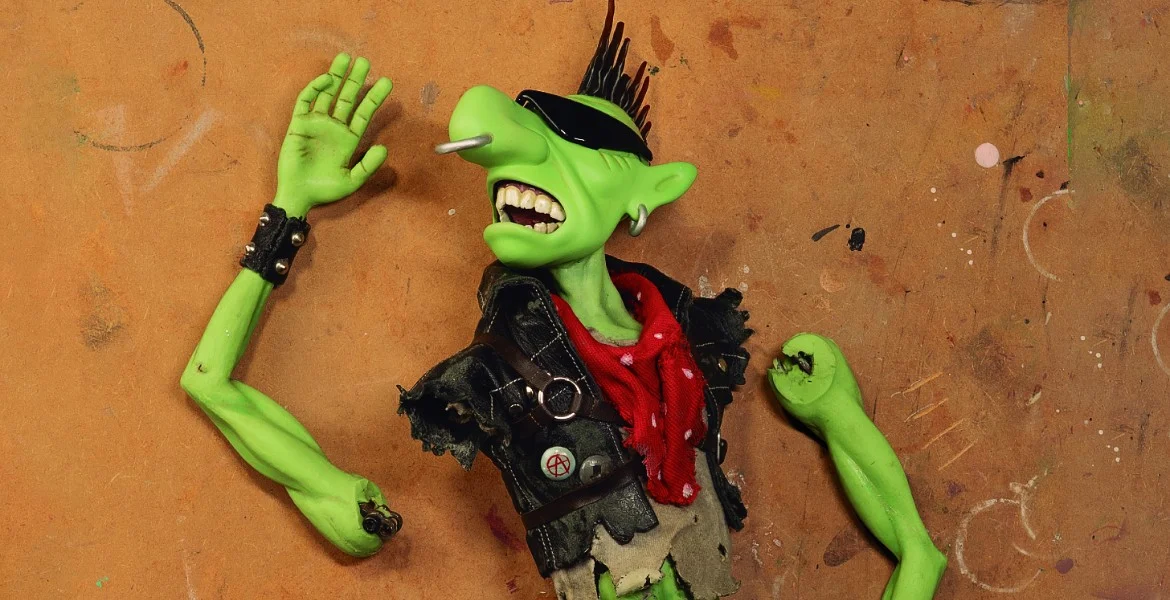
The association MIA (Mujeres en la Industria de la Animación—Women in the Animation Industry) has officially announced the opening of the application process for the fifth edition of MIANIMA. This initiative stands as a premier incubator, training, and pitching program specifically designed to bolster animation projects led by women from across the Ibero-American region. Simultaneously, the Brazilian animation sector is celebrating the continued legacy of the stop-motion masterpiece "Bob Cuspe – Nós Não Gostamos de Gente" (Bob Spit – We Do Not Like People), with the announcement of a comprehensive new book and the rare revival of the film on physical media formats, including VHS. These two developments underscore a broader trend within the Ibero-American creative economy: a concerted effort to bridge the gender gap in leadership roles and a commitment to preserving the technical history of high-end animation production.
The Fifth Edition of MIANIMA: Empowering Female Creators
The MIANIMA program has established itself as a critical pipeline for female talent in an industry historically dominated by male directors and producers. For its fifth iteration, the program will select a total of nine projects to undergo an intensive development process. The selection is strategically divided across various formats to ensure a diverse range of content: three short films, two feature-length films, two television or streaming series, and two projects specifically reserved for students. This tiered approach allows the program to support both established professionals and emerging voices who are still navigating the academic environment.
The call for entries is currently active and will remain open until September 2, 2024. Eligibility extends to women who are nationals or legal residents of any of the 22 countries comprising the Ibero-American community, which includes nations across Latin America, Spain, and Portugal. By targeting this specific geopolitical and linguistic bloc, MIANIMA aims to foster a unique "Ibero-American identity" in animation, encouraging co-productions and cultural exchanges that can compete on a global scale.
Selected participants will enter a rigorous four-month incubation period running from September 2026 through January 2027. This timeline is designed to provide ample room for deep creative reflection and technical refinement. The curriculum includes specialized mentorship sessions with industry veterans, masterclasses covering the latest technological and business trends, and personalized professional accompaniment. The primary objective is to transform initial concepts into "market-ready" projects, focusing on creative strength, financial viability, and international distribution potential.
The program culminates in a high-stakes closing ceremony held in Madrid. During this event, participants will present their refined projects to an international jury and potential investors in a formal pitching session. To further incentivize excellence, a winning project will be selected from each category, receiving financial awards and continued support to transition from the development phase into active production.
Addressing the Gender Imbalance in the Animation Industry
The existence of programs like MIANIMA is supported by stark industry data regarding gender representation. While women often make up more than 50% of students in animation and arts programs across Ibero-America, their presence in leadership roles—such as directors, art directors, and lead producers—drops significantly in professional settings. According to various industry reports, women hold fewer than 20% of directing roles in major animated features globally.
MIANIMA seeks to rectify this "leaky pipeline" by providing the specific business acumen and networking opportunities required to lead large-scale projects. By focusing on the "pitching" aspect, the program addresses one of the most significant hurdles for independent creators: securing the funding and partnerships necessary to move beyond the storyboard phase. The focus on Madrid as a hub for the final presentations also highlights Spain’s growing role as a bridge between Latin American talent and the broader European market, a synergy that has been strengthened by recent tax incentives and co-production treaties.
The Multimedia Expansion of Bob Spit: We Do Not Like People
While MIANIMA focuses on the future of the industry, the Brazilian animation scene is currently reflecting on one of its greatest recent successes. The stop-motion feature "Bob Cuspe – Nós Não Gostamos de Gente," directed by Cesar Cabral, is expanding its narrative universe through the publication of "Nas Entranhas de Bob Cuspe" (Inside the Guts of Bob Spit). This book, written by journalist Ramon Vitral and published by Ugra Press, offers an unprecedented look at the arduous five-year production cycle of the film.
The book is built upon a foundation of interviews with 16 key members of the production team, providing a granular look at the technical and emotional challenges of high-end stop-motion. Stop-motion remains one of the most labor-intensive forms of filmmaking, requiring the physical manipulation of puppets and sets frame by frame. The publication documents the transition of the character Bob Spit—a legendary punk icon created by the cartoonist Angeli in the 1980s—from the pages of underground comic books to a sophisticated, meta-narrative cinematic experience.
In a move that caters to both cinephiles and collectors, the production company Busa Filmes has also announced the first-ever DVD release of the film. Perhaps more surprisingly, October will see the release of a special edition on VHS. This decision reflects a growing global trend toward the "boutique" physical media market, where fans of independent and cult cinema seek tangible artifacts of their favorite works. The choice of VHS is particularly thematic, as it aligns with the 1980s punk aesthetic and the analog roots of the original Angeli comics.
Chronology of a Stop-Motion Success
The journey of "Bob Spit" serves as a case study for the international potential of Ibero-American animation. To understand its current expansion, one must look at its trajectory since its debut:
- 2021: The film premieres and immediately captures the attention of the international circuit. It wins the prestigious Contrechamp Award at the Annecy International Animation Film Festival, the world’s most significant animation event.
- 2021-2022: The film sweeps major awards, including Best Animated Feature at the Ottawa International Animation Festival and recognition at the Tokyo Anime Award Festival.
- Regional Dominance: The film secures the Premios Quirino (the Ibero-American Animation Awards) and the Grande Prêmio do Cinema Brasileiro, solidifying its status as a landmark in South American cinema.
- 2024: The announcement of the book "Nas Entranhas de Bob Cuspe" and the physical media rollout marks the final phase of the film’s initial lifecycle, transitioning from a current release to a documented piece of film history.
The film’s success is attributed to its unique blend of documentary and fiction. It features the character Bob Spit traveling through a post-apocalyptic wasteland that exists inside the mind of his creator, Angeli. This sophisticated storytelling demonstrated that Ibero-American animation could move beyond children’s content into the realm of adult-oriented, philosophical, and experimental cinema.
Technical Implications and Industry Impact
The simultaneous news of MIANIMA’s fifth call and the documentation of "Bob Spit" highlights the maturing infrastructure of the animation sector in the Spanish and Portuguese-speaking worlds. The technical insights provided in Ramon Vitral’s book are expected to serve as a vital resource for the very students and creators MIANIMA aims to support.
For the industry, the "Bob Spit" book provides a "post-mortem" analysis of how a five-year production can maintain creative integrity while managing the logistical hurdles of stop-motion. For MIANIMA participants, this serves as a realistic blueprint for the dedication required to bring a feature film to fruition.
Furthermore, the expansion into physical media like DVD and VHS highlights a vital conversation about film preservation. In an era where streaming platforms frequently remove content for tax write-offs or licensing shifts, the creation of physical copies ensures that these cultural milestones remain accessible to future generations of animators and scholars.
Official Responses and Strategic Vision
While official statements from the MIA association emphasize the "urgent need for diverse perspectives in the director’s chair," the Brazilian production team has framed the new book as a "tribute to the craftsmanship of the hundreds of hands that built Bob’s world."
Industry analysts suggest that these two developments are interconnected by a common goal: sustainability. By training women to lead (MIANIMA) and documenting the successes of the past (the Bob Spit book), the Ibero-American animation community is building a self-sustaining ecosystem. This ecosystem is no longer reliant solely on service work for major Hollywood studios but is increasingly defined by its own intellectual property and unique cultural voice.
The impact of these initiatives is expected to be felt at major festivals in the coming years. As the projects from MIANIMA’s fifth cohort move into production in 2027 and beyond, they will enter a market that has been primed by the successes of films like "Bob Spit," "Robot Dreams" (Spain), and "Pinocchio" (Mexico/Guillermo del Toro). The international community now looks to Ibero-America not just for labor, but for the visionary leadership that programs like MIANIMA are designed to cultivate.
In conclusion, the opening of the MIANIMA call and the multimedia expansion of "Bob Spit" represent two sides of the same coin: the professionalization and the celebration of Ibero-American animation. As women from 22 countries prepare their pitches for September, they do so with the knowledge that the path to international acclaim—though long and technically demanding—has been blazed by the creators who came before them. The combination of structural support and historical documentation ensures that the current "golden age" of regional animation is not a temporary fluke, but the foundation of a lasting industrial legacy.

0 Comments