
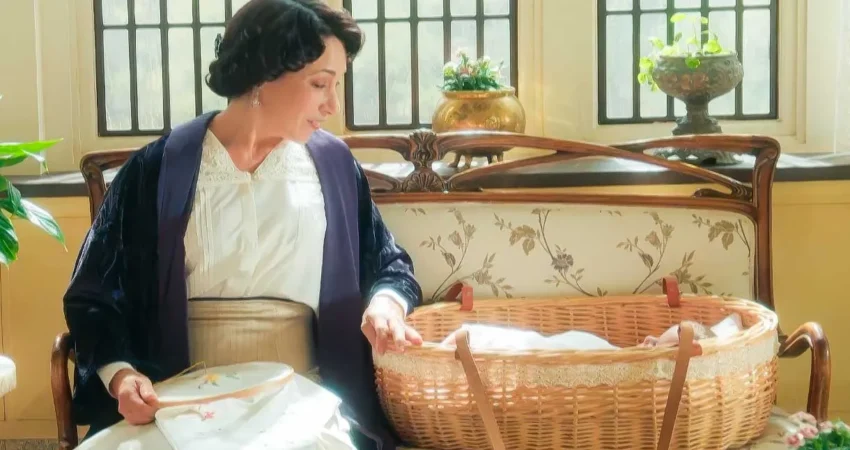
The upcoming chapter 914 of the acclaimed Spanish drama "La Promesa" is set to intensify the simmering anxieties surrounding Leocadia’s increasingly unsettling fascination with the infant Jana. In a startling recurrence of behavior that has already cast a long shadow of concern, Señora Figueroa has once again taken the child of María and Carlo without prior notification, igniting a fresh wave of worry among those closest to the family. This latest incident not only deepens the mystery of Leocadia’s motives but also exacerbates the emotional strain on Jana’s parents, who are left grappling with fear and bewilderment over their daughter’s unexplained absences. The narrative thread concerning Leocadia’s peculiar interest in the baby has been a slow burn, building since her initial secretive actions, and this latest episode suggests a potential escalation, pushing the boundaries of acceptable behavior and raising serious questions about her true intentions. The implications of her actions are not confined to Jana’s immediate family; they ripple through the household, affecting the dynamics and trust among its residents.
The gravity of Leocadia’s actions was underscored by the bewildered reactions of Martina and Adriano, who stumbled upon Señora Figueroa with the infant. Their inability to articulate a response to the scene highlights the perplexing and potentially disturbing nature of Leocadia’s behavior, leaving them, and by extension the audience, questioning the underlying reasons for her clandestine dealings with the child. This moment serves as a critical turning point, as it brings the issue of Leocadia’s actions from a private concern for María and Carlo to a visible point of contention and confusion for other members of the household. The incident is particularly alarming given the established narrative around Jana’s parentage and the complex web of relationships within the estate, making any unusual interest in the child a sensitive matter.
Meanwhile, the intricate political maneuvering within the estate continues to unfold, with Manuel’s suspicions about a clandestine conversation between Ciro and Lorenzo coming to the fore. Manuel, the captain, attempts to deftly redirect his attention and deflect potential scrutiny by attacking Pía’s appointment as godmother. This diversionary tactic, while temporarily successful in shifting the immediate focus, masks a more significant undercurrent of deceit. The audience is privy to the fact that the true nature of Ciro and Lorenzo’s discussion revolved around illicit business dealings, specifically the acquisition of licenses that bypass established protocols and operate outside the purview of Manuel’s oversight. This revelation adds another layer of intrigue, suggesting a potential economic or legal challenge brewing beneath the surface of domestic affairs. The clandestine nature of these dealings implies a significant risk, not only to those involved but potentially to the stability and reputation of the estate itself. The historical context of such clandestine operations within aristocratic households often points to a desire for increased wealth or influence, or conversely, a desperate attempt to salvage a declining fortune.
In a separate development, the educational initiatives at the refuge are showing signs of progress. Ángela, who had faced initial challenges in her first legal instruction session, now benefits from the collaborative efforts of Máximo. Their joint approach appears to have fostered a more conducive learning environment, enabling the students to grasp the complexities of the law. This positive outcome signifies a potential breakthrough in the refuge’s mission to empower its residents through education and knowledge. The improvement in the teaching methodology, shifting from a solitary effort to a partnership, suggests a recognition of the benefits of diverse pedagogical strategies and collaborative problem-solving. The success of this educational endeavor could have long-term implications for the individuals involved, offering them pathways to self-sufficiency and social mobility.
The evolving relationship between Ángela and her father, the Duke, continues to be a significant narrative arc. While their bond appears to be strengthening, Ángela remains unaware that a considerable portion of the Duke’s conciliatory behavior is strategically motivated, designed to serve his own underlying agenda. This element of manipulation introduces a cautionary note, suggesting that the apparent progress in their relationship might be built on a foundation of calculated strategy rather than genuine paternal affection. The Duke’s calculated approach highlights a recurring theme in aristocratic dramas: the interplay between personal relationships and political or financial expediency.

The impending wedding of Curro is also a source of considerable emotional tension. Curro’s communication to Pía regarding his modiste’s personal involvement in crafting her godmother’s dress has amplified her unease. The increased attention and perceived importance of her role as godmother are making Pía increasingly uncomfortable, hinting at underlying anxieties about her place within the family or the wedding festivities. This sensitivity surrounding Pía’s role suggests a potential internal conflict or a feeling of being overwhelmed by the expectations associated with her position. The significance of such roles in traditional ceremonies often extends beyond mere formality, carrying symbolic weight and social expectations that can be burdensome for individuals unaccustomed to them.
María Fernández and Samuel engage in a poignant conversation about the insurmountable obstacles that prevent their union, acknowledging the painful reality of their unfulfilled love. This candid exchange marks a somber acceptance of their fate, as they prepare to navigate the difficult path of moving forward independently. Their shared sorrow and the acknowledgment of their impossible love story underscore the dramatic stakes of their relationship, adding a layer of romantic tragedy to the overarching narrative. The theme of star-crossed lovers is a classic trope, and its portrayal here suggests a focus on the emotional toll of societal constraints and forbidden affections.
The preparations for the wedding banquet are also the stage for another confrontation with Leocadia. Señora Figueroa vocally expresses her strong disapproval of the proposed menu, which consists solely of canapés and standing service. Her initial outrage, however, eventually subsides as the tasting proves to be a success, leading her to concede the merit of the innovative culinary approach. This episode demonstrates Leocadia’s initial resistance to change and her eventual, albeit grudging, acceptance of a modern approach. The shift in her perspective, even if reluctant, could signify a broader theme of evolving traditions or the gradual acceptance of new ideas within the established order of the estate.
Meanwhile, Tomasa’s persistent evasiveness continues to fuel Ricardo’s suspicions. He remains convinced that she and Julio are engaged in some clandestine activity, which he perceives as potentially dangerous. This ongoing suspicion creates a palpable sense of unease and foreshadows potential conflict or discovery. The cautious observation of Tomasa and Julio suggests a hidden agenda, and Ricardo’s distrust serves as a narrative device to heighten suspense and anticipation of a revelation. The historical context of such suspicions in similar dramas often involves secret alliances, hidden loyalties, or plans that threaten the status quo.
In a moment of unexpected vulnerability, Jacobo reveals his profound distress. Adriano discovers him in a state of emotional turmoil, leading Jacobo to declare his intention to permanently depart "La Promesa." This dramatic announcement signifies a significant personal crisis for Jacobo and a potential upheaval for the household, as his departure would undoubtedly alter the existing social dynamics. His decision to leave suggests a deep-seated unhappiness or a desire to escape circumstances that have become unbearable. The act of breaking down and announcing departure often signals a breaking point, a culmination of internal struggles and external pressures.
Adding a touch of romantic intimacy, Manuel and Julieta share a tender moment while preparing seed packets for the wedding. Amidst their shared confidences, they openly acknowledge that they would marry each other without hesitation, revealing the depth of their mutual affection. This intimate exchange highlights a burgeoning romance that, in contrast to other fraught relationships, appears genuine and uncomplicated, offering a counterpoint of hopeful connection within the unfolding drama. Their candid admission of willingness to marry underscores a strong emotional connection, potentially setting the stage for a future romantic development or serving as a foil to the more complicated romantic entanglements elsewhere in the narrative. The seeds they prepare are symbolic of growth and new beginnings, mirroring the potential of their own burgeoning relationship.

0 Comments