
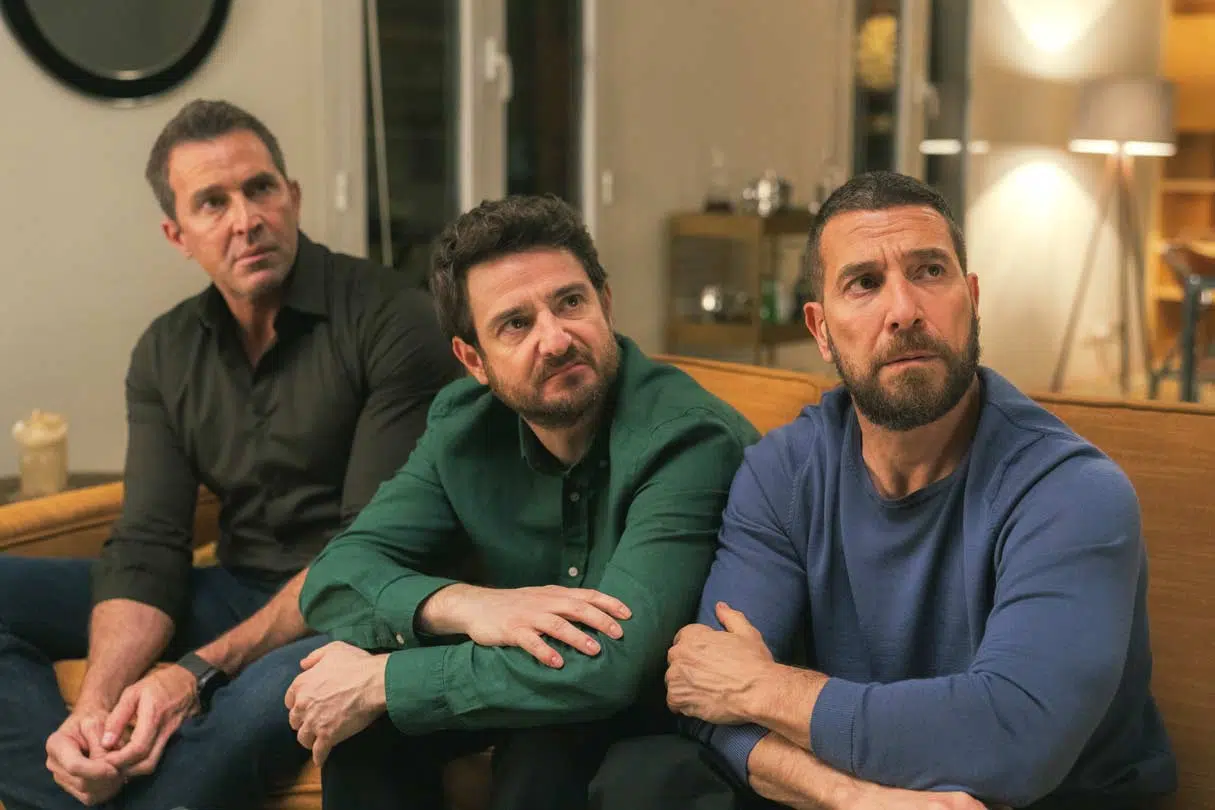
The acclaimed Spanish comedy series "Machos Alfa," created by Alberto and Laura Caballero, has officially wrapped production on its sixth and final season. The conclusion of filming signifies the end of a significant chapter for a show that has resonated deeply with audiences and garnered critical acclaim, solidifying its place as a prominent Spanish production on the Netflix platform. Cast and crew members have taken to social media in recent days to share poignant farewell messages and behind-the-scenes glimpses from the set, reflecting the strong bonds forged over six seasons. These emotional posts have also evoked a sense of nostalgia among the show’s dedicated fanbase, many of whom expressed surprise and disappointment at the series’ conclusion, believing it still had significant narrative potential.
A Farewell That Leaves a Void Among Viewers
The announcement in April by Netflix that the sixth season would be the show’s last came as a surprise to a considerable portion of the viewership. At the time, the streaming giant confirmed that the journey of Pedro, Raúl, Santi, and Luis would reach its culmination with ten new episodes. This decision marked the end of a comedy that successfully connected with multiple generations through its sharp humor and its incisive, satirical portrayal of societal shifts over recent years. The series’ ability to tackle complex themes of masculinity, relationships, and generational change with a comedic lens has been a key factor in its enduring popularity.
With filming now complete, the reality of this farewell is becoming increasingly tangible. The shared posts from actors and technical staff underscore the sense of closure surrounding a production that has accompanied millions of viewers and consistently ranked among Netflix’s most talked-about Spanish comedies season after season. This sentiment is echoed by a segment of specialized critics who acknowledge that, even after six seasons, "Machos Alfa" managed to maintain a distinct identity and a cohesive cast, a rarity in contemporary comedy series. Consequently, many observers feel the show still possessed room for further creative exploration and growth.
Looking Ahead: What to Expect in the Final Season
The upcoming final season will see the central quartet – Pedro, Raúl, Santi, and Luis – embark on a new endeavor to evolve into more modern men, better fathers, and exemplary allies. However, in true "Machos Alfa" fashion, their well-intentioned efforts are expected to collide with a series of absurd yet hilarious situations. Netflix has teased that, once again, the process of male deconstruction will not be a straightforward path for the protagonists. They will continue to grapple with their internal contradictions while striving to adapt to a rapidly changing reality that often outpaces their personal evolution.
The ensemble cast returning for this concluding installment includes familiar faces such as Fernando Gil, Raúl Tejón, Gorka Otxoa, and Fele Martínez. They will be joined by María Hervás, Kira Miró, Paula Gallego, and Raquel Guerrero. The supporting cast also features returning actors Cayetana Cabezas, María Adánez, Patricia Conde, María Romanillos, Joaquín Reyes, and Manuela Velasco, ensuring a rich and familiar dynamic for the show’s final episodes. The narrative is poised to provide a conclusive arc for these characters, addressing the lingering questions and character developments that have been central to the series’ appeal.
A Success That Consolidates the Caballero Siblings’ Esteem
"Machos Alfa" has served as a testament to the creative prowess of Alberto and Laura Caballero, further solidifying their reputation for crafting popular comedies that resonate with a broad audience. Following their previous successes with shows like "Aquí no hay quien viva," "La que se avecina," "El Pueblo," and "Muertos S.L.," "Machos Alfa" quickly became one of Netflix’s flagship Spanish productions. The series adeptly navigates a fine line between observational, slice-of-life comedy and social satire, utilizing the inherent contradictions within its characters to explore contemporary issues surrounding masculinity, romantic relationships, family dynamics, and generational shifts.

The show’s consistent ability to blend humor with relatable social commentary has been a significant factor in its critical and commercial success. The Caballero siblings have demonstrated a keen understanding of the Spanish cultural landscape and an exceptional talent for translating these observations into engaging and humorous narratives. This final season is expected to provide a fitting culmination to their efforts, offering a satisfying conclusion to a series that has not only entertained but also provoked thought and discussion among its viewers.
The Broader Impact of "Machos Alfa" on Spanish Television
The conclusion of "Machos Alfa" marks a significant moment for Spanish television production, particularly within the context of streaming platforms. The series’ success highlights the growing demand for high-quality, culturally specific content that can also achieve international appeal. Over its six seasons, "Machos Alfa" has not only provided consistent entertainment but has also contributed to a broader conversation about evolving gender roles and societal expectations in Spain.
The show’s narrative approach, which often uses humor to dissect complex social issues, has proven to be an effective strategy for engaging a wide demographic. This approach has set a precedent for future Spanish productions aiming to tackle similar themes. The Caballero siblings’ track record of creating successful and long-running comedies further underscores their influence on the industry. Their ability to consistently produce content that is both commercially viable and critically respected speaks to their deep understanding of comedic writing and audience engagement.
The show’s journey from its inception to its final season can be seen as a micro-history of the evolution of Spanish comedy on digital platforms. Initially, "Machos Alfa" capitalized on a specific cultural moment, addressing the anxieties and adjustments faced by men in a rapidly changing society. As the series progressed, it adeptly adapted, incorporating new thematic elements and character developments that kept the narrative fresh and relevant. This adaptability is a hallmark of successful long-running shows and is a testament to the writers’ and producers’ commitment to evolving with their audience and the cultural zeitgeist.
The impact of "Machos Alfa" extends beyond its viewership numbers. It has fostered a dedicated online community of fans who actively engage in discussions about the show’s characters, plotlines, and thematic explorations. This level of audience participation is invaluable for any production, providing feedback and fostering a sense of investment that can translate into sustained popularity. The farewell messages shared on social media are a clear indication of the emotional connection audiences have formed with the series and its characters.
As the final episodes are now eagerly anticipated, "Machos Alfa" is poised to leave a lasting legacy. It stands as a prime example of how Spanish productions can successfully blend humor, social commentary, and compelling storytelling to create content that resonates both domestically and internationally. The series’ conclusion is not just the end of a show, but the closing of a chapter that has contributed significantly to the landscape of contemporary Spanish television comedy. The anticipation for the final ten episodes is palpable, as viewers prepare to bid farewell to a beloved quartet and witness the ultimate resolution of their ongoing quest for modern masculinity. The success of "Machos Alfa" undoubtedly paves the way for future ambitious and culturally relevant Spanish productions on global streaming platforms.

0 Comments