
 Julia Prastini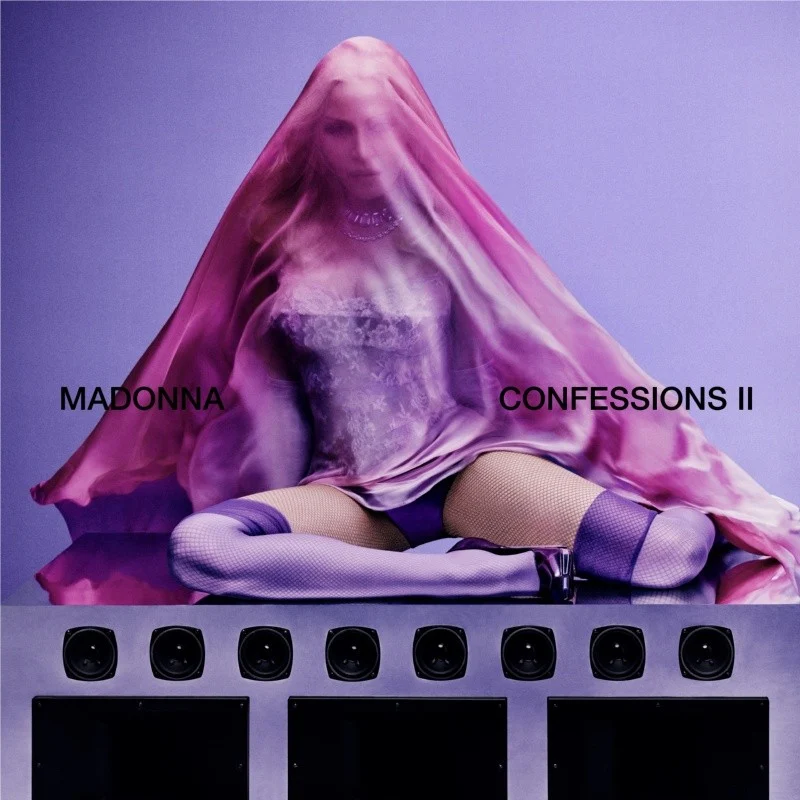
Global icon Madonna has officially announced the upcoming release of her new album, ‘Confessions On a Dance Floor. Part II’, slated for July 3rd. This eagerly awaited project serves as a direct continuation of her critically acclaimed and commercially successful 2005 album, ‘Confessions on a Dance Floor’, and signifies a momentous return to Warner Records, the label that propelled her to superstardom. The announcement, made this past Wednesday, has sent ripples of excitement across the music industry and among her vast global fanbase, promising a deep dive back into the "dance floor music" that has been a hallmark of her illustrious career.
A Carefully Orchestrated Digital Tease
The unveiling of ‘Confessions On a Dance Floor. Part II’ was preceded by a meticulously orchestrated series of digital breadcrumbs, characteristic of Madonna’s penchant for theatricality and engagement with her audience. On April 14th, the artist initiated a complete blackout of her Instagram account, deleting all previous posts. This digital cleansing was followed by the update of her profile picture to a deliberately blurred image of herself, overlaid with the evocative phrase ‘Time goes by so slowly…’. This line, instantly recognizable to her devotees, is a poignant lyric from her 2005 hit single ‘Hung Up’, the lead track from the original ‘Confessions’ album.
The cryptic nature of these changes immediately ignited a flurry of speculation across social media platforms. Fans and music journalists alike began to hypothesize about an impending major announcement, a sentiment that proved accurate. The very next day, April 15th, Madonna further fueled the anticipation by posting an image strongly suggested to be the official cover art for the new album. The photograph depicts the artist enveloped in a vibrant fuchsia veil, with the stark, bold words ‘Madonna’ and ‘Confessions II’ emblazoned across it. This visual, simultaneously mysterious and direct, confirmed the direction of her new artistic endeavor and solidified the connection to her past work. The visual aesthetic immediately resonated with the original album’s disco-infused, glamorous imagery, hinting at a sonic and thematic continuity that fans have longed for.
First Glimpse into the Sonic Landscape
Accompanying the visual teasers, Madonna also shared an intriguing audio extract, believed to be a snippet from the album’s forthcoming lead single. The brief audio track features her voice delivered in a near-whisper, set against a backdrop of pulsating disco music, instantly recalling the signature sound that defined the original ‘Confessions’ era. The lyrics shared offered a glimpse into the album’s introspective yet liberating themes: "I feel so free. Thanks for coming. Sometimes, I like to just hide in the shadows, create a new persona, a different identity, I can be whoever I want to be, create a new persona. Honestly I wish I could be like other people and just not care but out here, on the dance floor, I feel so free." A male voice then interjects, adding, "Oh, by the way, it all started like this."
This tantalizing preview is the first new musical offering from Madonna in seven years, following her critically divisive but artistically ambitious 2019 album, ‘Madame X’. The snippet immediately suggests a return to the euphoric, confessional, and liberating energy of the dance floor, aligning with the album’s title and the overarching narrative she has begun to construct. The juxtaposition of vulnerability ("hide in the shadows," "wish I could be like other people") with empowerment ("I can be whoever I want to be," "I feel so free") hints at a mature exploration of identity within the transformative space of the dance floor.
The Philosophy Behind the Dance Floor
In a statement widely reported by American media outlets, Madonna elaborated on the foundational philosophy underpinning ‘Confessions On a Dance Floor. Part II’. She revealed that her initial discussions with producer Stuart Price for this project were guided by a clear manifesto: "We must dance, celebrate, and pray with our bodies." This statement elevates the act of dancing from mere entertainment to a profound spiritual practice.
She further expounded on this concept, stating, "These are practices we have carried out for thousands of years; they are, in reality, spiritual practices. Ultimately, the dance floor is a ritualistic space. It is a place where you connect with your wounds, with your fragility. Rapping [likely a typo in original, meant to be ‘reaping’ or ‘reaching’ in a broader sense of artistic expression within the dance context, or possibly referring to a spoken word element in the album] is an art. It’s about pushing your limits and connecting with a community of like-minded people." Madonna emphasized that the combined elements of sound, light, and vibration "reshape our perceptions" and "immerse us in a state of trance." This philosophical framework positions the album not just as a collection of dance tracks, but as an immersive experience designed to transcend the physical, fostering connection, healing, and self-discovery through movement and music. This spiritual dimension adds significant depth to the concept of a "dance floor" album, differentiating it from purely commercial dance-pop offerings.
A Historic Return to Warner Records
The announcement of ‘Confessions On a Dance Floor. Part II’ is made all the more significant by Madonna’s official return to Warner Records. This reunion was first hinted at in September of the previous year when the artist confirmed her intention to record this new album under the Warner banner. For Madonna, this represents a full-circle moment, reconnecting with the record label that served as the primary launchpad for her monumental career and facilitated her ascent to becoming the undisputed Queen of Pop.

Her prolific partnership with Warner Records began with her self-titled debut album in 1983. This collaboration produced a string of iconic and groundbreaking albums, shaping the landscape of pop music for decades. Landmark releases under Warner include ‘Like A Virgin’ (1984), which cemented her status as a global phenomenon; ‘True Blue’ (1986), showcasing her evolving artistry; the controversial yet critically acclaimed ‘Like a Prayer’ (1989); the boundary-pushing ‘Erotica’ (1992); the more introspective ‘Bedtime Stories’ (1994); the Grammy-winning electronic masterpiece ‘Ray of Light’ (1998); the forward-thinking ‘Music’ (2000); ‘American Life’ (2003); and of course, the original ‘Confessions on a Dance Floor’ (2005). This era of unparalleled success with Warner extended through ‘Hard Candy’ in 2008.
After departing Warner, Madonna signed with Interscope Records, releasing albums such as ‘MDNA’ (2012), ‘Rebel Heart’ (2015), and ‘Madame X’ (2019). While these albums explored different sonic territories and achieved varying degrees of commercial and critical success, many fans and industry observers always associated Madonna most closely with her Warner years, a period defined by consistent innovation, chart dominance, and cultural impact. The decision to return to Warner, nearly two decades after her initial departure from the label for new album releases, underscores the strategic importance and personal significance of ‘Confessions On a Dance Floor. Part II’. Madonna herself has described this new album as a definitive "return to the dance floor," a statement that carries dual meaning: a return to a specific musical genre and a return to her foundational creative partnership.
The Indispensable Stuart Price Connection
A crucial element in the development of ‘Confessions On a Dance Floor. Part II’ is the renewed collaboration with British producer Stuart Price. The original ‘Confessions on a Dance Floor’ was largely produced by Price, earning him widespread acclaim for his ability to craft a cohesive, retro-futuristic disco sound that revitalized Madonna’s career at the time. The album was a global phenomenon, selling over 10 million copies worldwide and spawning hit singles like ‘Hung Up’ and ‘Sorry’.
The seeds for this new collaboration were sown during Madonna’s highly successful ‘Celebration Tour’ in 2023-2024, for which Stuart Price served as the musical director. This extensive tour, which commemorated her four decades in music, provided a platform for the two artists to reconnect creatively and professionally. The undeniable synergy and positive results of their reunion on the tour evidently inspired Madonna to extend their collaboration into the recording studio. In October 2024, Madonna shared a telling message on social media: ‘London Calling………Back in the Stu with Stuart Price’, confirming their work on new material.
By December, she officially confirmed that she was actively recording new music, initially hinting at a 2025 release timeframe for fresh tracks. The confirmation of a full album with Warner in September further solidified the project. Price’s involvement is not merely a nostalgic choice; his expertise in crafting sophisticated, dance-oriented soundscapes is integral to the envisioned "return to the dance floor" and promises a production quality that honors the legacy of the first ‘Confessions’ album while pushing it forward.
Contextualizing Madonna’s Recent Musical Journey
The announcement of ‘Confessions On a Dance Floor. Part II’ follows a period of artistic experimentation and personal reflection for Madonna. Her previous album, ‘Madame X’ (2019), released through Interscope, was a bold exploration of global sounds and political themes, featuring influences from fado, reggaeton, and trap. While praised for its artistic ambition and willingness to challenge conventions, ‘Madame X’ received mixed critical reception and did not achieve the commercial heights of her earlier work. Its intricate, character-driven concept and less mainstream sound marked a departure from the more accessible pop of her past.
The ‘Celebration Tour’, which concluded just before this album announcement, served as a powerful reminder of Madonna’s unparalleled catalog of hits and her enduring impact on popular culture. The tour was a triumphant retrospective, showcasing her ability to command stadiums and connect with generations of fans. This tour, coupled with the renewed partnership with Stuart Price and Warner Records, appears to have reinvigorated Madonna’s focus on a sound that resonates deeply with her core identity as a dance-pop pioneer. The shift from the experimentalism of ‘Madame X’ to the embrace of a beloved, familiar genre suggests a strategic move to solidify her legacy and reconnect with a wider audience through the universal language of dance.
Implications for Her Legacy and the Music Landscape
The release of ‘Confessions On a Dance Floor. Part II’ carries significant implications for Madonna’s enduring legacy and the broader music industry. For Warner Records, it represents a major coup, bringing one of the world’s best-selling artists back into their fold for a high-profile release. The financial and reputational benefits of such a reunion are considerable, especially given the global anticipation for the album.
For Madonna herself, this album is more than just another release; it’s a powerful statement. It demonstrates her continued relevance and artistic vitality after four decades in the industry. By revisiting a beloved chapter of her discography, she is not merely indulging in nostalgia but reinterpreting and evolving a sound that defined an era. The success of the original ‘Confessions on a Dance Floor’ was partly due to its ability to make disco feel contemporary again, influencing a wave of artists. ‘Part II’ has the potential to once again shape trends, reminding listeners of the timeless appeal of well-crafted dance music rooted in genuine emotion and spiritual purpose.
The fan base, which has remained fiercely loyal through various artistic transformations, is undoubtedly thrilled. The return to the "dance floor" sound, particularly with Stuart Price at the helm, fulfills a long-standing desire among many who consider the original ‘Confessions’ a modern classic. This album could solidify her position not just as a historical figure in pop, but as an artist who continues to innovate and connect with contemporary audiences, proving that her reign as the Queen of Pop is far from over. The project signifies a deliberate artistic choice to return to a genre where she has always excelled, promising an album that is both a celebration of her past and a bold step into her future. The music world eagerly awaits July 3rd, when Madonna once again invites us all to confess on the dance floor.




 Eva Lovia
 Julia Chirkova
 Jia Lissa
 admin
admin
 Raisa Andriana