
 Raisa Andriana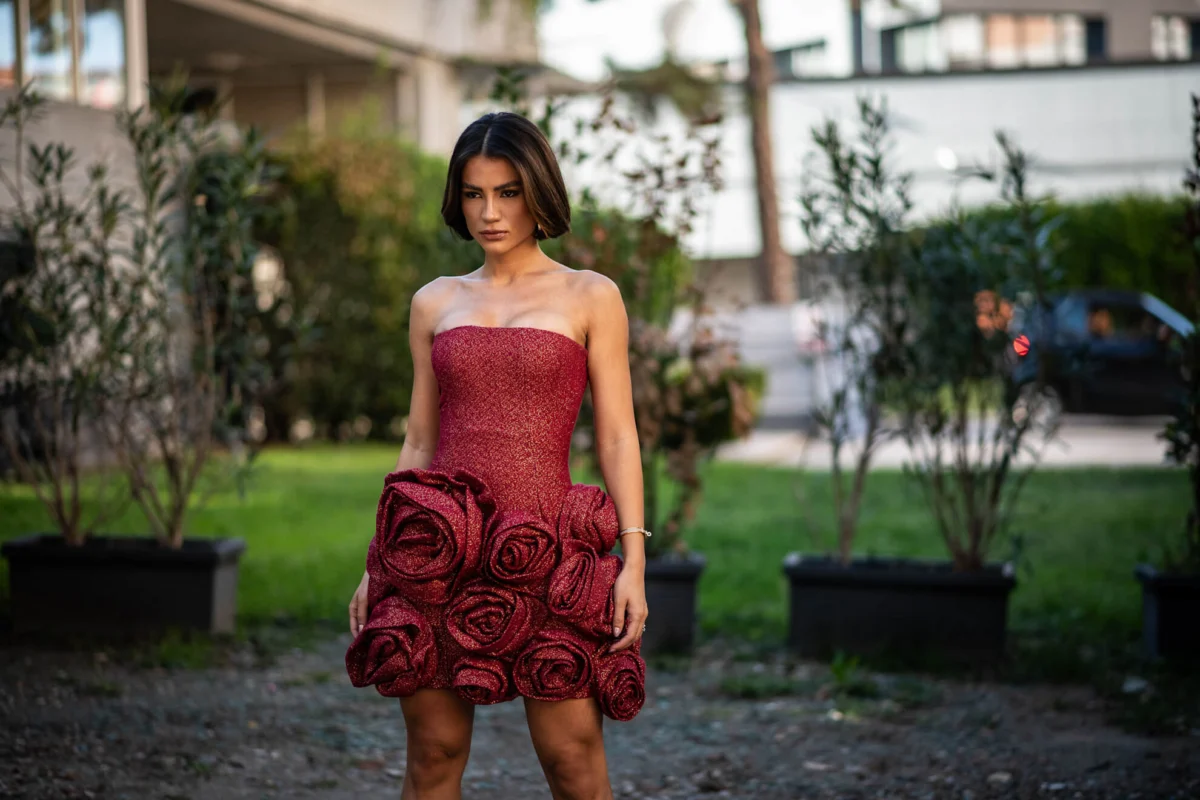
The global fashion landscape is currently witnessing a decisive shift toward hyper-femininity and romanticism, a movement solidified by the recent launch of Mango’s Spring/Summer 2026 guest collection. As the spring equinox approaches, the Spanish retail giant has strategically released a curated selection of floral-print garments designed to dominate the "invitada" (guest) market. This collection, characterized by delicate prints, fluid silhouettes, and precision tailoring, arrives at a critical juncture for the retail industry, as consumers increasingly seek high-fashion aesthetics at accessible price points for the dense calendar of weddings, baptisms, and graduations that define the second quarter of the year.
The Strategic Evolution of Occasion Wear in the 2026 Market
The 2026 fashion cycle marks a departure from the minimalist "quiet luxury" that dominated previous years, pivoting instead toward a "New Romanticism." Industry analysts observe that Mango’s latest offering is not merely a seasonal update but a calculated response to shifting consumer behavior. Data from retail tracking firms indicate a 15% increase in searches for "floral occasion wear" compared to the same period in 2025. By focusing on versatile silhouettes that bridge the gap between formal ceremony attire and elevated daywear, Mango is positioning itself to capture a broader demographic of the "guest" economy.

The collection’s debut follows a period of intensive market research into the "Invitada Perfecta" (Perfect Guest) phenomenon, a cultural and commercial powerhouse in Southern Europe that has begun to exert significant influence on global retail strategies. Mango’s interpretation for 2026 leans heavily into the use of devoré fabrics, asymmetric hemlines, and a palette that balances traditional pastels with grounded earth tones, ensuring the pieces remain relevant across various event typologies, from high-protocol church weddings to relaxed coastal celebrations.
A Chronological Breakdown of the Spring/Summer 2026 Launch
The rollout of the floral guest collection follows a specific retail timeline designed to maximize visibility during the peak purchasing window for spring events.
- September 2025: Initial design concepts were previewed to industry insiders, signaling a move toward 1990s-inspired slip silhouettes and 1970s-style maxi prints.
- January 2026: Early "drop" of neutral-toned guest wear to test market appetite for structured silhouettes.
- March 18, 2026: Official release of the floral-centric capsule, spearheaded by fashion journalist Celia Gijón, emphasizing the dominance of pink and green hues.
- April–June 2026: Projected peak sales period coinciding with the height of the Mediterranean social calendar.
This chronological progression demonstrates Mango’s "just-in-time" manufacturing agility, allowing the brand to refine prints and cuts based on early-season runway trends while maintaining a price ceiling that appeals to the mass-market consumer.

Detailed Analysis of Key Collection Pillars
The Spring/Summer 2026 collection is built upon six flagship designs, each serving a distinct niche within the social event ecosystem. These pieces reflect broader industry trends, such as the resurgence of the lingerie aesthetic and the continued popularity of architectural asymmetry.
The Floral Devoré Slip Dress: Lingerie as Formalwear
Retailing at 69.99 euros, the floral devoré slip dress represents the collection’s high-fashion vanguard. Utilizing a technique that creates a semi-transparent pattern on a solid base, the garment taps into the "innerwear as outerwear" trend. The choice of baby pink—a color forecasted by trend bureaus to be the "it-shade" of 2026—suggests a focus on daytime weddings and graduations. Its thin straps and light drape offer a nostalgic nod to late-90s minimalism while remaining contemporary through its textured fabric.
Asymmetry and Earth Tones: The Modernist Approach
Contrastingly, the asymmetric dress in brown tones (39.99 euros) caters to a more sober, sophisticated aesthetic. Fashion analysts note that the inclusion of brown in a spring collection is a strategic move to provide options for afternoon events or religious ceremonies like baptisms and communions, where traditional floral brightness might be eschewed for something more grounded. The single-shoulder neckline provides an architectural element that elevates the garment’s perceived value.

The Impact of the Maxi Floral Print
For high-formality events, the strapless "palabra de honor" maxi dress (79.99 euros) utilizes large-scale floral graphics. This design choice is significant; while micro-florals are often associated with casual daywear, "maxi-flowers" are statistically more likely to be selected for evening galas and black-tie-optional weddings. The clean neckline allows for significant accessorizing, a key driver for secondary sales in jewelry and millinery.
Structure and Risk: The Red Mini Dress
The inclusion of a structured, red asymmetric mini dress (39.99 euros) targets the younger "Gen Z" and "Young Millennial" guest. This segment of the market is increasingly moving away from traditional floor-length gowns in favor of bold colors and shorter, more "Instagrammable" silhouettes. The red palette serves as a high-visibility option for evening celebrations and less conventional parties.
Economic Implications and Competitive Positioning
Mango’s pricing strategy for this collection—ranging from 39.99 to 79.99 euros—places it in direct competition with Inditex’s Zara and H&M’s premium lines. However, by labeling these as "Guest" (Invitada) specific pieces, Mango utilizes a targeted marketing psychological trigger. This categorization simplifies the consumer’s decision-making process during what is often a high-stress shopping period.

Furthermore, the collection’s reliance on fluid synthetic blends like high-grade polyester and viscose allows for a "luxury feel" with easy maintenance. From a business perspective, these materials offer better margin stability amidst fluctuating textile costs. The brand’s ability to offer "Launchmetrics Spotlight" approved aesthetics—referring to the high-quality visual data used by editors and influencers—ensures that the collection gains immediate traction on social media platforms, which are currently the primary discovery engine for occasion wear.
Industry Statements and Expert Sentiment
While official corporate statements from Mango often focus on global expansion, fashion editors specializing in the luxury and mass-market sectors have voiced a clear consensus on the 2026 direction. Celia Gijón, a prominent journalist in the fashion and luxury space, notes that "the romantic style is imposing itself as one of the great trends of the season." This sentiment is echoed by stylists who argue that the "versatility" of the floral print is its greatest asset.
"The modern guest no longer wants a dress she can only wear once," suggests one industry analyst. "The 2026 Mango collection succeeds because these dresses, while formal enough for a wedding, can be de-contextualized with a denim jacket or flat sandals for a summer evening, providing a better ‘cost-per-wear’ ratio for the inflation-conscious consumer."

Broader Impact on the Fashion Ecosystem
The ripple effects of Mango’s SS26 collection extend beyond individual sales. By standardizing high-concept designs like the devoré slip and the asymmetric drape at a sub-100-euro price point, Mango is effectively "democratizing" the romantic aesthetic. This forced evolution requires higher-end boutique brands to innovate further to justify their price premiums, leading to a faster cycle of design evolution across the entire industry.
Moreover, the collection’s emphasis on "organic and soft" prints in the green evasé dress (39.99 euros) reflects a growing consumer desire for "nature-inspired" fashion. This trend is linked to a broader societal shift toward wellness and environmental consciousness, even in the realm of synthetic-based fast fashion. The green palette, in particular, is noted for its "relaxing" visual properties, making it a frequent choice for daytime, outdoor garden weddings.
Conclusion: The Future of the Seasonal Guest Market
As the 2026 ceremony season commences, Mango’s floral collection stands as a benchmark for how mass-market retailers can successfully navigate the complexities of occasion wear. By blending trend-forecasting data with traditional romantic motifs, the brand has created a "safe yet stylish" harbor for guests facing a crowded social calendar.

The success of these six key proposals will likely dictate the direction of Mango’s "Capsule" and "Selection" lines for the remainder of the year. With the "Invitada" market showing no signs of slowing down, the focus on delicate prints and fluid silhouettes remains a winning formula for retail dominance in the mid-market segment. For the consumer, the availability of these designs ensures that the mission to find the "perfect look" is no longer a challenge of availability, but simply a matter of personal style preference.


 Eva Lovia
 Julia Chirkova
 Julia Prastini
 Nila Kartika Wati
 Jia Lissa
 admin
admin