
 Jia Lissa
Former NFL star and prominent sports commentator Marcellus Wiley has formally and vehemently denied allegations of domestic violence and sexual assault made by his estranged wife, Annemarie Wiley, in a comprehensive legal response to her request for a domestic violence restraining order. Filed late Friday afternoon, July 18, 2026, Wiley’s statement to the court categorizes Annemarie’s accusations as "heartbreaking, embarrassing — and patently untrue," while acknowledging the complexities and imperfections of their marital union.
A Vehement Denial Amidst Marital Discord
Wiley’s legal filing directly addresses the core of Annemarie’s claims, asserting a categorical denial of any abusive behavior. "We did not have a perfect marriage. We experienced disagreements, frustrations, and periods of marital strain," Wiley stated in his response. However, he drew a stark line, unequivocally declaring, "I have never physically abused, sexually assaulted, or intentionally harmed my wife at any point during our relationship." This statement aims to delineate the distinction between a troubled marriage marked by common marital strife and one involving actionable domestic violence, a critical point of contention in such legal battles.
The admission of an imperfect marriage is a common element in divorce proceedings, often serving as a foundation for irreconcilable differences. However, in the context of domestic violence allegations, it takes on added significance. Wiley’s legal team appears to be building a defense that acknowledges the difficulties of the relationship without conceding to the specific and severe accusations of abuse. This strategy seeks to present a narrative of a flawed but non-violent partnership, directly challenging the claims of harm. The emotional toll of these proceedings was also highlighted by Wiley, who conveyed his profound distress over the public nature and severity of the allegations.
Addressing Grave Allegations of Sexual Assault

Perhaps the most serious and distressing aspect of Annemarie Wiley’s petition, according to Marcellus Wiley’s response, is the allegation that some of their marital intimacy could be classified as rape. Wiley directly confronted this claim, expressing deep pain and firm denial. He stated that it "hurts him to learn Annemarie classifies some of their marital intimacy as rape," adding that such an allegation is "false because he has never forced, coerced, or sexually assaulted her."
This particular denial underscores the gravity of the accusations and the profound impact they have on an individual’s reputation and personal life. Allegations of sexual assault, especially within a marital context, are notoriously complex and carry significant legal and social repercussions. Wiley’s emphatic rebuttal suggests a strong intent to defend his character against claims that could irrevocably damage his public and private standing. The legal standard for proving sexual assault, even within a marriage, typically involves demonstrating a lack of consent, coercion, or force. Wiley’s statement directly counters these elements, setting the stage for a detailed examination of evidence in court.
The Timeline of Allegations and Legal Actions
The current legal skirmish between Marcellus and Annemarie Wiley follows a rapid succession of events that have unfolded over the past few weeks, thrusting their private marital dissolution into the public spotlight.
The public unraveling began when Annemarie Wiley, known for her role on the reality television series The Real Housewives of Beverly Hills, filed for divorce from Marcellus in early July 2026. This initial legal step signaled the end of their marriage and set the stage for subsequent allegations.
Shortly after the divorce filing became public, Marcellus Wiley issued a statement that, while not directly addressing specific allegations, indicated significant discord, claiming Annemarie had "lost her mind." This early public reaction hinted at the contentious nature of their separation.

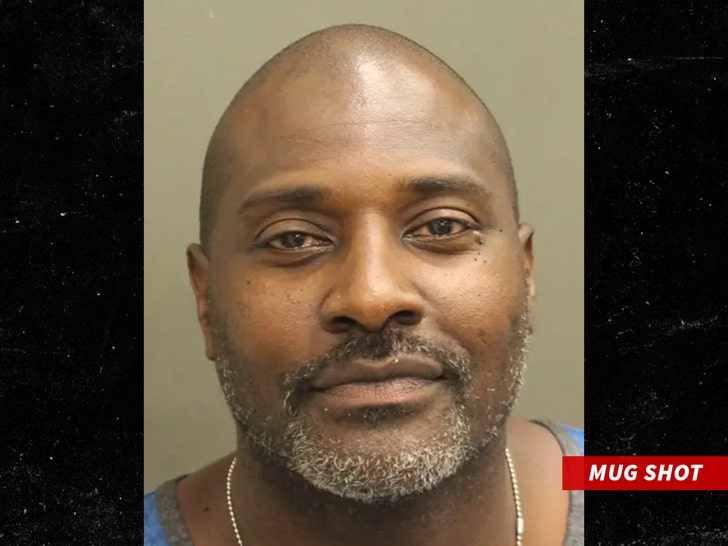
The situation escalated dramatically over the Fourth of July weekend. On July 5, 2026, Marcellus Wiley was arrested by authorities and subsequently booked on a charge of domestic battery following an incident during the holiday trip. This arrest marked a critical turning point, lending a criminal dimension to the couple’s burgeoning legal battle. Wiley’s current response specifically addresses this incident, reiterating his innocence. He claims he "never hit, pushed, poked, grabbed or placed his hands on her ‘in anger’ during the trip," providing a detailed denial of the physical actions implied by the domestic battery charge.
Following the arrest, Annemarie Wiley promptly sought and was granted a temporary domestic violence restraining order (DVRO) against Marcellus. This order had immediate and far-reaching consequences, including a no-contact provision that has significantly impacted Marcellus Wiley’s relationship with his children. He explicitly mentioned this as one of the "hardest parts of these proceedings," expressing the pain of losing contact with his kids due to the judge’s decision to grant Annemarie’s request for the temporary order earlier in July.
In an effort to bolster his defense against the domestic battery charge and the DVRO, Marcellus Wiley’s legal team filed documents earlier in July, assuring the court that he had a witness present during the Fourth of July weekend who would "refute all of her allegations against him." This introduces a crucial third-party perspective into the dispute, which could significantly influence the court’s evaluation of the events.
The latest filing, Marcellus Wiley’s formal response on July 18, 2026, serves as his comprehensive and detailed rebuttal to Annemarie’s DVRO request, consolidating his previous denials and introducing new elements of his defense. This response is a pivotal document that outlines his legal strategy and counter-arguments ahead of future court proceedings.
The Weight of Evidence and Legal Proceedings
The ongoing legal proceedings involve both a criminal domestic battery charge stemming from the July 4th weekend arrest and the civil request for a domestic violence restraining order. While interconnected, these two legal avenues operate under different standards of proof and carry distinct implications.
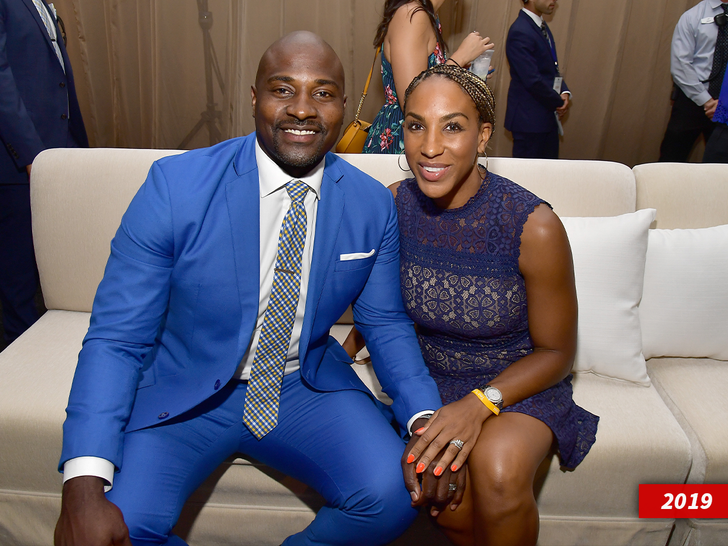
In his defense against Annemarie’s allegations, Marcellus Wiley highlights a key point: the alleged absence of police intervention during their marriage. He claims that "police were never called to the couple’s home while they were married for alleged abuse," and that the first time he learned about Annemarie’s allegations against him was "after she filed for divorce." This argument suggests a pattern inconsistent with long-term abuse, implying that if abuse had occurred consistently, it would likely have resulted in prior police reports or interventions. However, it’s also recognized that many instances of domestic violence go unreported for various reasons, including fear, shame, or a desire to protect family privacy.
The temporary restraining order (TRO) currently in place is a critical legal measure designed to protect alleged victims from further harm while the court evaluates the evidence. For Marcellus Wiley, this TRO has meant a complete loss of contact with his children, a severe consequence that he has openly lamented. The court’s decision to grant a temporary order indicates that Annemarie presented sufficient initial evidence or testimony to convince a judge of an immediate threat, warranting protective measures. The upcoming hearings will determine whether this temporary order will be made permanent, a decision that hinges on the presentation and evaluation of further evidence from both sides.
The burden of proof for a civil restraining order is typically "preponderance of the evidence," meaning it is more likely than not that abuse occurred. This is a lower standard than the "beyond a reasonable doubt" required for a criminal conviction. Therefore, even if criminal charges do not result in a conviction, a civil restraining order could still be granted. The introduction of a potential witness for the July 4th incident, as claimed by Wiley, will be crucial. This witness’s testimony, if credible, could significantly sway the court’s perception of the events. The court will meticulously evaluate all submitted evidence, including declarations, any physical evidence, and witness testimonies, before reaching a final decision on the permanent restraining order and its implications for child custody and visitation.
Public Persona Versus Private Turmoil
Marcellus Wiley has cultivated a significant public persona since his retirement from the NFL. A former defensive end for teams like the Buffalo Bills, San Diego Chargers, and Dallas Cowboys, Wiley transitioned successfully into sports media, becoming a respected analyst for ESPN, hosting shows like SportsCenter and NFL Live, and later expanding into podcasting and authorship. His public image has largely been one of an articulate, thoughtful, and engaging commentator. These allegations and the ensuing legal battle threaten to cast a long shadow over his career and carefully constructed public image.
Conversely, Annemarie Wiley has recently gained considerable public visibility through her role on The Real Housewives of Beverly Hills. Her presence on a high-profile reality show means that her personal life, including her marriage and its dissolution, is subject to intense public scrutiny. This amplified platform means the details of their divorce and the domestic violence allegations are playing out not just in a courtroom but also in the court of public opinion, with fans and critics closely following every development.
The intersection of their public profiles with such grave private accusations creates a complex dynamic. For Marcellus, maintaining credibility as a sports analyst and media personality becomes challenging when facing allegations that contradict a positive public image. For Annemarie, her narrative on a reality show, often intertwined with personal struggles, could either garner sympathy or invite skepticism, depending on how the legal facts unfold and how she chooses to present her story. The challenges of maintaining a professional career and public standing amidst such serious private allegations are immense, often leading to temporary or permanent career setbacks, regardless of legal outcomes.
Implications for Career, Reputation, and Family
The potential implications of these allegations for Marcellus Wiley’s career are substantial. In the current climate, public figures, particularly those in media roles, often face severe repercussions for allegations of domestic violence, even before a definitive legal judgment. Sponsors, networks, and employers are increasingly sensitive to public perception and moral clauses in contracts. Should the allegations be proven, or even if they remain in contention for an extended period, his broadcasting career could be jeopardized. The public discourse surrounding domestic violence has intensified, making it difficult for individuals accused of such acts to retain their positions in industries reliant on public trust and appeal.
Beyond career, the damage to both Marcellus and Annemarie’s reputations is a significant concern. Regardless of the final legal outcome, the allegations themselves can leave an indelible mark on public perception. For Marcellus, his reputation as a family man and respected commentator is under threat. For Annemarie, navigating these allegations publicly while also being a reality TV personality presents unique challenges to her credibility and public image.
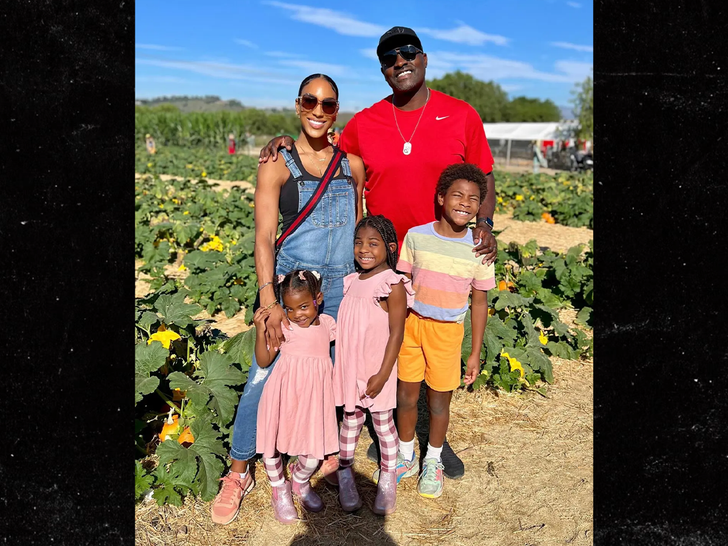
Perhaps the most profound and tragic implication of this highly publicized legal battle is the impact on their children. Caught in the middle of their parents’ contentious divorce and serious allegations, the children are undoubtedly experiencing immense emotional distress. The temporary restraining order, which has resulted in Marcellus losing contact with his children, highlights the immediate and tangible effects on the family unit. The long-term psychological and emotional toll on children witnessing such a public and acrimonious separation, especially one involving allegations of abuse, can be significant. The court’s decisions regarding permanent custody and visitation will be crucial in shaping the future well-being of the children, aiming to prioritize their best interests amidst the parental conflict.
This case also contributes to a broader societal discussion about domestic violence, the challenges of proving such claims in private disputes, and the importance of due process for all parties involved. It underscores the complexity of "he said, she said" scenarios and the vital role of the legal system in carefully evaluating evidence and ensuring justice.
The Road Ahead
The legal battle between Marcellus and Annemarie Wiley is far from over. Marcellus Wiley’s formal response is a critical step in the ongoing proceedings for the domestic violence restraining order. The court will now schedule further hearings where both parties will have the opportunity to present their full cases, including testimony from themselves, their legal teams, and any witnesses, such as the one Marcellus has alluded to for the July 4th incident. Evidence, including communications, medical records, or other relevant documentation, will be meticulously reviewed.
The judge will then weigh all the presented evidence to determine whether to make the temporary restraining order permanent. This decision will have lasting consequences for both Marcellus and Annemarie, particularly regarding their future interactions, communication, and, most importantly, the custody and visitation arrangements for their children. Concurrently, the criminal domestic battery charge related to the July 4th incident will proceed through the legal system, with its own set of hearings and potential outcomes.
As Marcellus Wiley concluded in his filing, he asks the court to "evaluate the evidence in the case thoroughly before coming to a decision." This plea for a careful and comprehensive review of all facts underscores the high stakes involved for all parties as they navigate this intensely personal and public legal struggle.



 Eva Lovia
 Julia Chirkova
 Julia Prastini
 Candice Horbacz
 admin
admin