
 Jia Lissa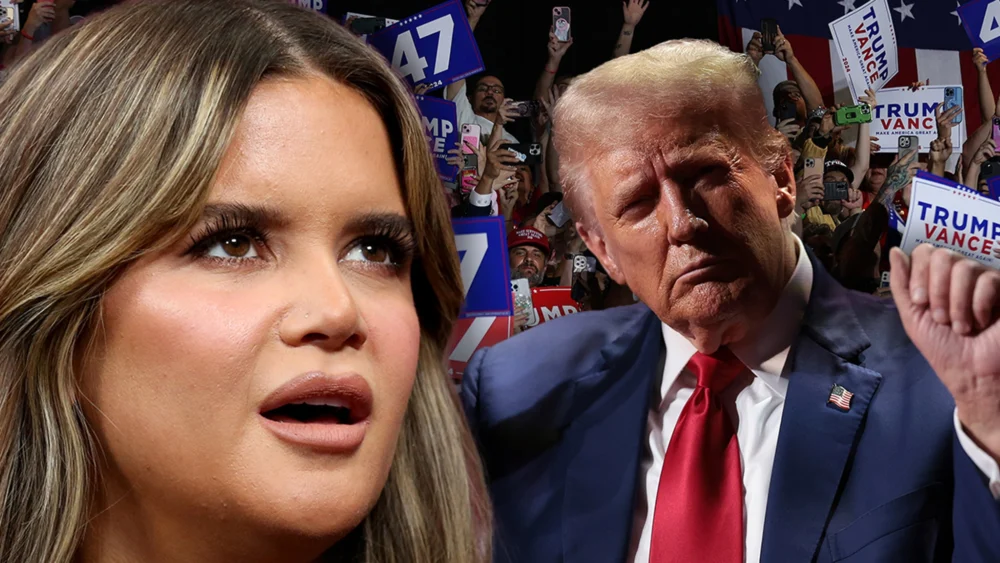
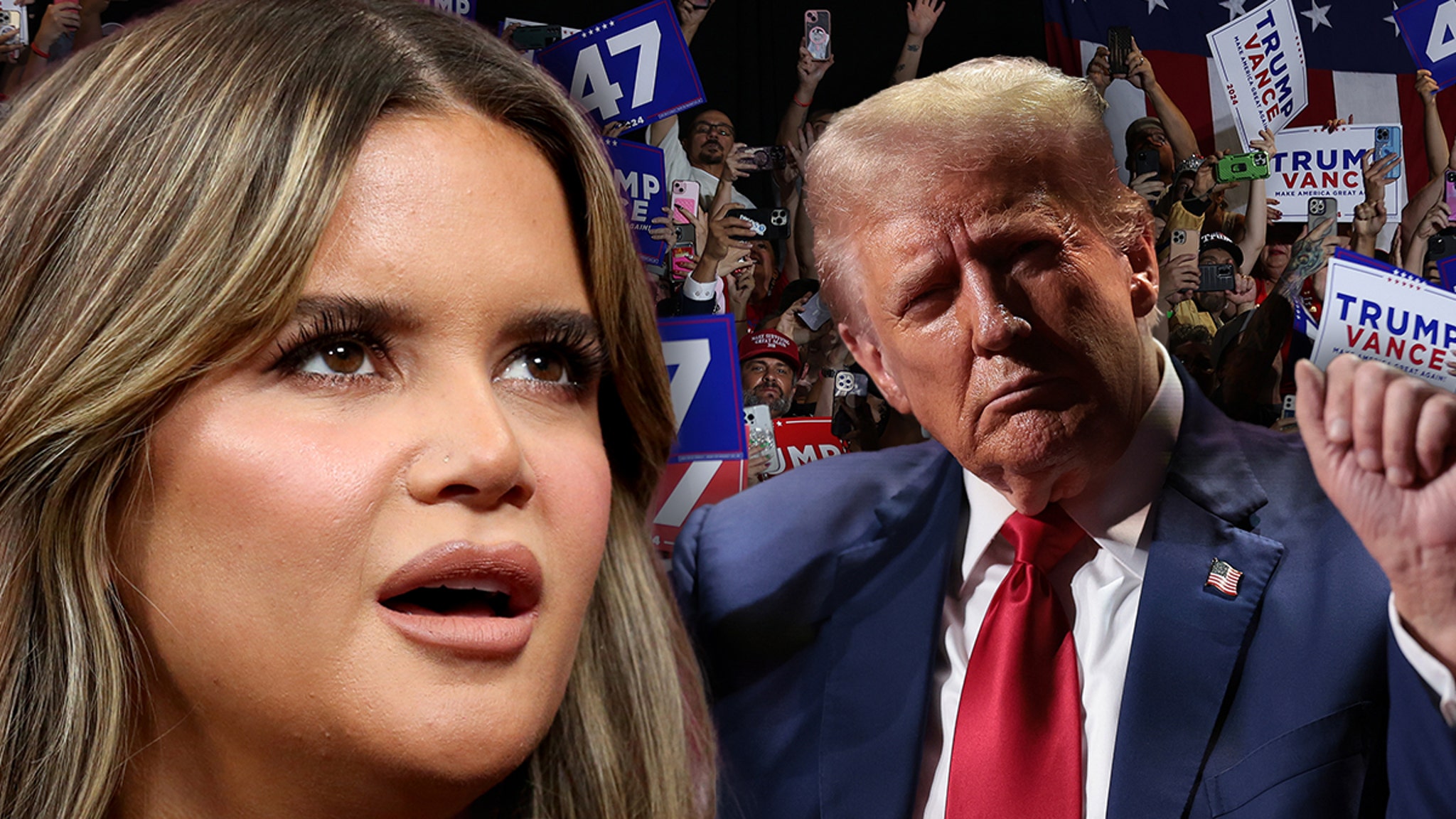
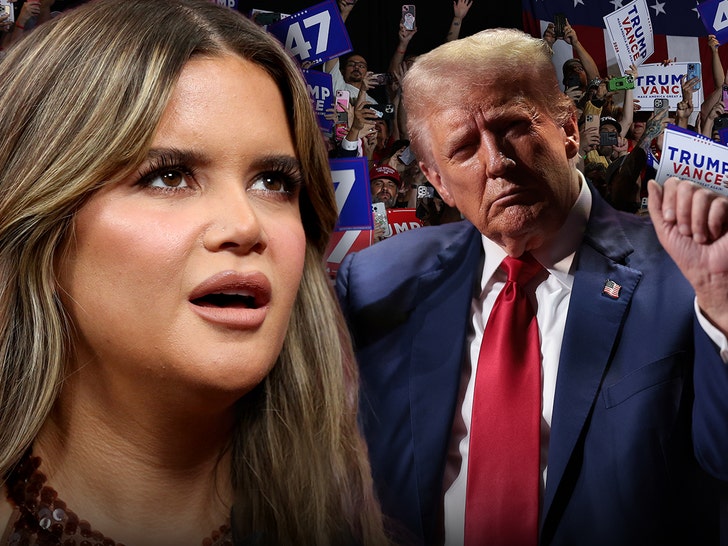
Country music luminary Maren Morris has once again ignited a fervent public discourse with unvarnished critiques directed at supporters of former President Donald Trump, asserting that they were "bamboozled" by a "dementia ridden, diaper clad, cornball." Her outspoken remarks, delivered via a TikTok video on Friday, March 7, 2026, underscore a deepening divide within American popular culture and the country music genre, a division Morris herself has acknowledged and actively navigated. This latest salvo from the Grammy-winning artist signals her unwavering commitment to her political convictions, even at the potential cost of alienating a segment of her audience.
Morris’s direct and provocative language leaves little room for ambiguity. She minced no words in condemning those who cast their ballots for Donald Trump in past presidential elections, dismissing their choices as the "result of ploying and voting for losers." Furthermore, she expressed a stark lack of sympathy for any "MAGA faithful" who might now feel disillusioned, reinforcing her stance that their political alignment was fundamentally misguided. These statements are not an isolated incident but rather the latest in a series of instances where Morris has leveraged her platform to articulate strong political and social viewpoints, often challenging the traditionally conservative leanings of the country music industry.
The Evolution of Maren Morris’s Public Stance
Maren Morris first rose to prominence with hits like "My Church" and "80s Mercedes," quickly establishing herself as a formidable talent with a distinctive voice and songwriting prowess. While her early music largely steered clear of overt political messaging, her personal convictions began to surface more explicitly in the mid-to-late 2010s. Her increasing engagement with social issues, particularly those concerning LGBTQ+ rights, racial justice, and gender equality, marked a gradual but definitive shift in her public persona.
This evolution has often placed her at odds with elements of the mainstream country music establishment and a significant portion of its fanbase. For example, Morris has been a vocal proponent of diversity and inclusion within country music, frequently speaking out against discriminatory practices and attitudes. Her public support for transgender rights, particularly in defense of fellow artist Brittney Spencer and against comments made by figures like Jason Aldean’s wife, Brittany Aldean, garnered both widespread praise and intense backlash. These instances illustrate a pattern of Morris prioritizing her moral compass over potential commercial repercussions, a theme she reiterated in her recent TikTok post.
The "weird status quo of country music" that Morris alluded to in her video is a complex tapestry woven from the genre’s historical ties to traditional American values, its predominantly white and Southern audience base, and its often-conservative political leanings. While artists like Johnny Cash and Loretta Lynn historically injected social commentary into their music, the modern era has seen a greater reluctance among many mainstream artists to take overtly political stances, particularly those perceived as progressive. When artists do, as The Chicks famously did with their criticism of George W. Bush, the consequences can be severe, including boycotts and career setbacks. Morris’s willingness to openly challenge this "status quo" positions her as a unique, and at times controversial, figure within the genre.
A Broader Look at Celebrity Political Activism
The phenomenon of celebrity political engagement is by no means new. From the anti-war activism of the Vietnam era to the various social justice movements of recent decades, public figures have frequently used their platforms to advocate for causes and candidates. However, the current political climate, characterized by deep polarization and the pervasive influence of social media, has intensified the impact and scrutiny of such endorsements.
In an era where political identities are increasingly intertwined with cultural consumption, an artist’s political stance can profoundly affect their relationship with their audience. For Maren Morris, her candid criticisms of Donald Trump and his supporters are not merely personal opinions but public declarations that resonate across the political spectrum. Her decision to use terms like "dementia ridden, diaper clad, cornball" to describe a former President, and "bamboozled" to characterize his voters, is highly inflammatory. Such language, while perhaps cathartic for her supporters, is almost guaranteed to solidify opposition among those who feel personally attacked or whose political allegiances are deeply rooted.
Supporting data from various polling organizations consistently shows a significant partisan divide in perceptions of political leaders and policies. For instance, post-2020 election analyses indicated that Trump’s base remained fiercely loyal, often dismissing criticisms from mainstream media or cultural figures as biased. Morris’s assertion that these voters "got bamboozled" implies a lack of critical judgment or a susceptibility to manipulation, a narrative often employed by critics of populist movements. Conversely, Trump’s supporters frequently view his critics, particularly those from the entertainment industry, as out-of-touch elites disconnected from the concerns of everyday Americans. This fundamental clash of perspectives forms the backdrop against which Morris’s statements are received.
The Trump Administration: Perceptions of Success and Failure
Donald Trump’s presidency (2017-2021) was marked by unprecedented political turbulence and a profound division in public opinion regarding its successes and failures. From the perspective of his critics, including figures like Morris, the administration was often characterized by policy reversals (e.g., withdrawal from the Paris Agreement, attempts to repeal the Affordable Care Act), controversial rhetoric, and challenges to democratic norms. Critics often point to issues such as the administration’s handling of the COVID-19 pandemic, its immigration policies, and its impact on international relations as significant failures. The term "dementia ridden" or similar criticisms regarding his cognitive faculties have been levied by some political opponents, often without medical basis but as rhetorical attacks on his fitness for office. The "diaper clad" and "cornball" epithets are likewise designed to mock and diminish his public image.
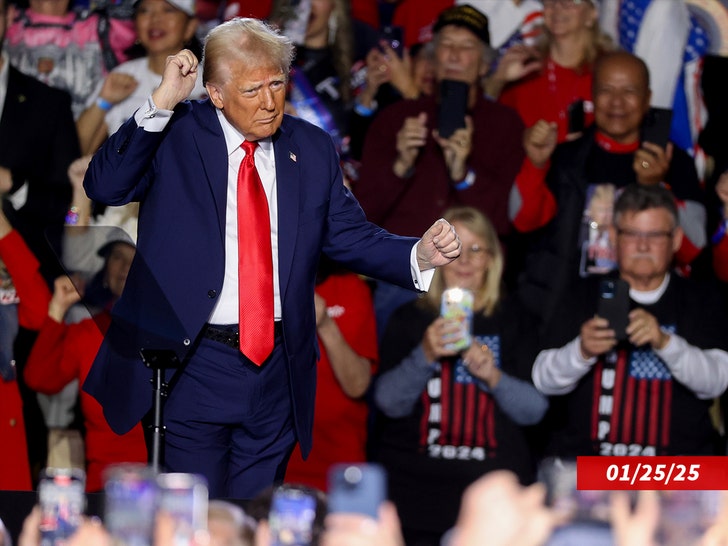
Conversely, Trump’s supporters often laud his administration for its economic policies, including tax cuts and deregulation, which they credit with fostering job growth and a strong economy prior to the pandemic. They also frequently praise his appointments of conservative judges, his efforts to secure the U.S. border, and his "America First" foreign policy agenda. For these voters, Trump represented a disruptive force against a perceived corrupt political establishment, and criticisms from celebrities or traditional media outlets are often seen as further proof of this establishment’s bias.
Morris’s statements, therefore, tap into this deeply entrenched partisan divide. By declaring that Trump voters "got bamboozled" and supported "losers," she is not only criticizing the former President but also implicitly questioning the intelligence and judgment of millions of Americans. This direct challenge to voter agency is a significant aspect of her message and contributes to its provocative nature.
Impact and Implications for Maren Morris’s Career
Morris herself acknowledged the potential repercussions of her forthrightness, stating, "If you don’t agree with me… you can’t enjoy my music because of my viewpoints? You’re absolutely allowed to do that." This statement highlights a conscious decision to accept the fragmentation of her fanbase. In a highly politicized entertainment landscape, artists increasingly face a choice: either maintain a broad, apolitical appeal or risk alienating segments of their audience by embracing specific political stances. Morris has clearly chosen the latter.
Her comment that she has "sacrificed a lot of my mental health, my financial standing, my family" due to her concern over the "weird status quo of country music" is particularly telling. It suggests that her activism is not merely a superficial performance but stems from deeply held convictions that have come at a personal cost. This sacrifice could manifest in various ways:
- Mental Health: Enduring constant criticism, online harassment, and the emotional toll of engaging in contentious debates.
- Financial Standing: Potential loss of concert ticket sales, merchandise revenue, or endorsement deals from fans or brands alienated by her politics. While artists often gain new fans through their activism, the overall net effect on income can be unpredictable.
- Family: The stress and public scrutiny that can extend to her loved ones, as public figures’ families often become targets in online culture wars.
Despite these potential costs, Morris’s approach aligns with a growing trend among artists who prioritize authenticity and social impact over universal commercial success. For many, taking a stand is seen as a moral imperative, particularly when they feel that silence is complicity in what they perceive as injustice. This stance can strengthen bonds with a progressive audience who values artists who use their platforms for advocacy, potentially opening new markets or deepening existing fan loyalty.
The Role of Social Media in Amplifying Political Statements
Morris’s choice to deliver her message via TikTok is also significant. Social media platforms have democratized celebrity communication, allowing artists to bypass traditional media gatekeepers and speak directly to their audiences. This directness, however, comes with its own set of challenges. Unfiltered statements can go viral instantly, often without the nuance or context that traditional journalistic reporting might provide.
TikTok, in particular, with its short-form video format, encourages concise, impactful, and often emotionally charged messages. This environment is conducive to generating buzz and engagement but can also exacerbate polarization, as complex issues are reduced to soundbites. Morris’s video, by its very nature, was designed to be provocative and shareable, ensuring its rapid dissemination and fueling widespread discussion across various online communities. The immediate feedback loop, through comments, likes, and shares, provides instant gratification for supporters and immediate vitriol from detractors, creating an echo chamber effect that reinforces existing beliefs on both sides.
Looking Ahead: The Future of Politics in Country Music
Maren Morris’s recent remarks are a stark reminder of the ongoing tension between artistic expression, political conviction, and commercial viability within the country music genre. As American society continues to grapple with deep political and cultural divisions, artists like Morris will likely continue to face immense pressure to either conform or defy expectations. Her willingness to "sacrifice" for her beliefs may inspire other artists to speak out, or it may serve as a cautionary tale for those who fear alienating their audience.
The long-term impact of her statements on her career remains to be seen. While she may lose some fans, she may also solidify her position as a principled and courageous voice for a segment of the population that feels underrepresented in country music. Ultimately, Morris’s declaration is more than just a criticism of political figures; it is a powerful commentary on the evolving landscape of celebrity, activism, and the increasingly intertwined worlds of music and politics in contemporary America. As the 2026 political cycle begins to take shape, her voice is a clear indication that the conversation surrounding political alignment and cultural identity is far from over.


 Eva Lovia
 Julia Chirkova
 Julia Prastini
 Nila Kartika Wati
 admin
admin