
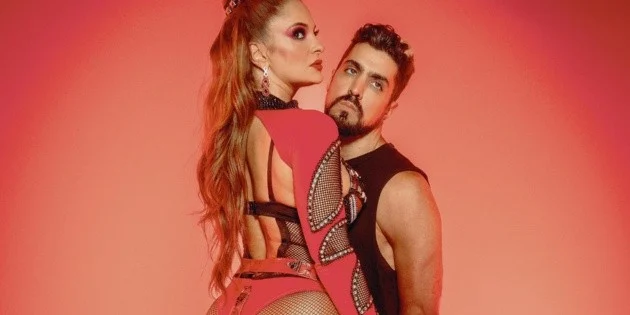
For many years, Mariana Seoane carried a deeply personal narrative, a story she struggled to articulate until it found its definitive expression in music. What began as an intimate experience has culminated in "Mala," a powerful cumbia composition that delves into the profound aftermath of emotional abuse and the arduous process of reclaiming one’s identity following a destructive relationship. Released amidst a highly active period in her illustrious career, "Mala" not only marks a significant artistic evolution for Seoane but also serves as a poignant anthem for resilience, resonating widely with audiences across Latin America and beyond. The track, co-written with Rafa Loar and meticulously produced by Rosul, encapsulates a universal struggle through the vibrant, therapeutic rhythms of cumbia, enriched with contemporary elements of tumbado and regional Mexican music.
The Genesis of "Mala": From Personal Trauma to Universal Song
Mariana Seoane, affectionately known as "La Reina de la Cumbia" (The Queen of Cumbia), has consistently captivated audiences with her powerful voice and charismatic stage presence for over two decades. However, "Mala" represents a distinct departure, drawing directly from a personal history of emotional entanglement that left indelible marks. The inspiration for the song lay dormant for years, a testament to the complex and often lingering nature of psychological trauma. It was during a collaborative session with Rafa Loar, the acclaimed guitarist from the band Elefante, that Seoane felt the opportune moment had arrived to translate this deeply personal experience into a musical narrative. "It’s an experience from many years ago," the singer recounted in an interview with EL INFORMADOR. "One day I met with Rafa Loar, with whom I wrote this second song, and we started working. I felt it was time to capture that story."
Seoane’s decision to share such a vulnerable part of her past through her art underscores a growing trend among public figures to destigmatize discussions around mental health and relational dynamics. The narrative embedded within "Mala" is not one of mere complaint, but rather a journey of introspection, recognition, and ultimately, empowerment. It speaks to the insidious nature of emotional abuse, which often operates beneath the surface, leaving victims questioning their self-worth and reality. By transforming her personal pain into a collective anthem, Seoane provides a voice for countless individuals who have navigated similar emotional landscapes, fostering a sense of solidarity and understanding.
Beyond Gender: A Universal Reflection on Narcissistic Relationships
While "Mala" originates from Seoane’s personal experience with a male partner, she emphatically asserts that the song’s message transcends gender. This inclusive approach is critical in addressing the widespread prevalence of emotional abuse, which affects individuals irrespective of their gender identity or sexual orientation. "I believe almost everyone has had a relationship with a narcissistic person," Seoane explained. "In my case, it’s inspired by a man who was part of my life, but it truly has no gender. I also know many men who have experienced such relationships. I wouldn’t put a masculine or feminine label on it; it’s a reflection of a relationship where someone, instead of adding to your life, ends up bringing out the worst in you."
This perspective aligns with contemporary understanding of relational dynamics, where psychological manipulation and emotional degradation are recognized as harmful regardless of the perpetrator or victim’s gender. Emotional abuse, often characterized by gaslighting, constant criticism, control, and invalidation, leaves profound scars that are frequently overlooked because they do not manifest as physical injuries. Research from organizations like the National Domestic Violence Hotline highlights that emotional abuse can be as damaging, if not more so, than physical violence, eroding a person’s self-esteem, mental health, and overall well-being. Seoane’s emphasis on identifying "red flags" and setting boundaries speaks directly to the crucial initial steps in recognizing and escaping such destructive cycles. "Narcissists end up making you feel that all the fault is yours. They convince you that you are never enough, and that leaves very deep wounds," she observed. "The song is precisely about setting limits. It doesn’t promote violence; it talks about recognizing what you became after living such a relationship." This message of self-awareness and self-preservation is a cornerstone of recovery and empowerment, making "Mala" a significant contribution to the broader conversation on healthy relationships.
The Healing Power of Cumbia: A Rhythmic Evolution
Choosing cumbia as the vehicle for such a profound narrative was a deliberate and inspired decision. While the story could easily have lent itself to a more somber ballad, Seoane opted for the infectious, life-affirming rhythm of cumbia, a genre she has championed for over two decades. This choice speaks to the therapeutic power of music, particularly the ability of upbeat rhythms to process and transcend difficult emotions. The result is a vibrant fusion that incorporates elements of tumbado and regional Mexican music, expanding Seoane’s established sound while remaining true to her artistic core. The production team, bringing together Gabriel C, a frequent collaborator, with Rosul, a prominent producer known for her work in the tumbado genre in Mexico, was instrumental in achieving this innovative blend.
The tumbado genre, a relatively newer iteration within regional Mexican music, characterized by its distinctive rhythmic patterns and often melancholic yet resolute lyrical themes, has gained immense popularity among younger audiences. By integrating tumbado into her cumbia framework, Seoane successfully bridges generational gaps, attracting new listeners without alienating her loyal fanbase. "I’ve been doing cumbia for 23 years, and I’ve always liked to experiment without losing my essence," Seoane stated. "’Mala’ mixes cumbia with elements of tumbado and some regional nuances. I wanted to open a new musical stage without abandoning the genre that has accompanied me all my life." This approach not only keeps her music fresh and relevant but also demonstrates a keen understanding of evolving musical landscapes. Her willingness to explore new sounds reflects a broader industry trend where artists, particularly those with established careers, are embracing cross-genre collaborations and sonic experimentation to maintain artistic vitality and expand their reach. "I like to listen to what young people are doing. Music constantly changes, and one must also evolve, always being faithful to who you are. I would never do something I didn’t believe in, but I enjoy exploring new sounds and reaching different audiences," she added.
A Chronology of Creation and Impact
The journey of "Mala" began years ago as a private ordeal, a wound that needed time to heal before it could be publicly shared.
- Years Prior: The initial personal experience of emotional abuse, which Mariana Seoane harbored for a significant period.
- Recent Past: Seoane decides the time is right to address this experience creatively, recognizing its potential for broader resonance.
- Collaboration with Rafa Loar: A pivotal meeting with Elefante guitarist Rafa Loar ignites the songwriting process, allowing Seoane to articulate her feelings and memories into lyrical form. This marks the conceptual birth of "Mala."
- Production Phase: The demo is brought to life by producer Rosul, known for her contemporary touch, alongside long-time collaborator Gabriel C, who helps weave in the cumbia, tumbado, and regional Mexican elements, creating the song’s distinctive sound.
- Music Video Production: A visual narrative is crafted to complement the song’s themes of struggle and liberation, featuring Seoane’s powerful performance.
- Official Release: "Mala" is released to the public, accompanied by its official music video, immediately garnering attention.
- Immediate Public Reception: Within days of its premiere, the music video rapidly approaches half a million views, signaling strong audience engagement and connection to its message. This swift reception underscores the universal relatability of the song’s themes.
This rapid trajectory from personal inspiration to public acclaim highlights the immediate impact of "Mala" and its resonance with a global audience grappling with similar experiences.
Broader Implications and Sustained Career Momentum
The release of "Mala" arrives during one of the most dynamic phases of Mariana Seoane’s career. In recent months, she has engaged in high-profile collaborations with an array of distinguished artists, including the iconic Lila Downs, the innovative Cumbia Pedregal, and the legendary Isabel Pantoja. These collaborations not only showcase Seoane’s versatility and enduring appeal but also underscore her commitment to artistic exploration and cross-genre fertilization. Her active touring schedule further solidifies her position as a powerhouse performer in the Latin music scene. Despite these numerous achievements, Seoane acknowledges that "Mala" holds a uniquely significant place in her repertoire, precisely because it is born not from fiction, but from raw, lived experience.
The immediate and overwhelmingly positive response from the public serves as a testament to the song’s honesty and emotional depth. "It’s not a borrowed story; it happened to me," Seoane reflected. "I believe that gives it honesty, and that’s why people make it their own. We all carry different wounds, but when a song manages to put words to them, it stops being just your story and starts being the story of many people. I am deeply grateful for the affection ‘Mala’ has received." This sentiment perfectly encapsulates the profound connection between artist and audience when truth and vulnerability are at the forefront of creation. The song’s success implies a collective longing for narratives that validate personal struggles and offer pathways to healing.
"Mala" is more than just a new single; it is a cultural artifact that speaks to the power of music as a tool for catharsis, awareness, and empowerment. By courageously sharing her story and framing it within an accessible and evolving musical genre, Mariana Seoane not only reinforces her status as a leading figure in Latin music but also contributes meaningfully to the ongoing dialogue surrounding emotional well-being and relational health. Her willingness to adapt musically while remaining true to her authentic voice ensures her continued relevance and appeal to diverse audiences, cementing her legacy as an artist who entertains, inspires, and heals through her craft. The resounding success of "Mala" is a clear indication that stories told with such heartfelt honesty, especially when set to the invigorating beat of cumbia, resonate deeply within the human experience.

0 Comments