
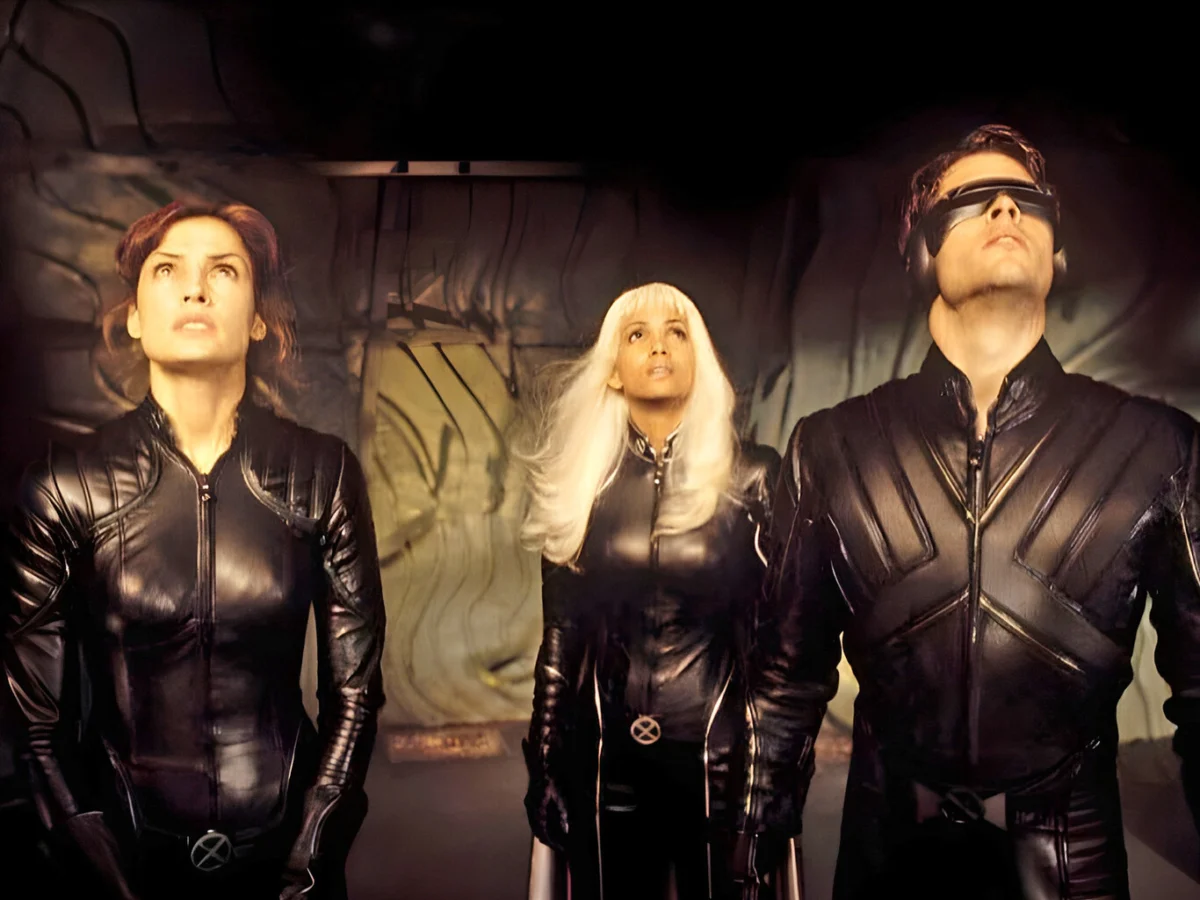
Marvel Studios has officially initiated an 18-week countdown leading to the theatrical release of Avengers: Doomsday, a production positioned as the most significant cinematic event for the franchise in the current decade. To ensure the global audience is adequately prepared for the narrative complexities of the upcoming feature, Marvel has published a curated list of 15 essential films and series. At the pinnacle of this "homework" list sits the year 2000’s X-Men, directed by Bryan Singer. This inclusion signals a formal recognition of the 20th Century Fox legacy characters as foundational pillars for the Marvel Cinematic Universe’s (MCU) Phase 6 and the burgeoning Multiverse Saga.
The decision to place X-Men (2000) at the start of the viewing order highlights a strategic shift in Marvel Studios’ narrative architecture. While the MCU technically began in 2008 with Iron Man, the integration of the Multiverse has allowed Kevin Feige and his creative team to retroactively incorporate decades of non-MCU Marvel films into a singular, cohesive tapestry. X-Men (2000) is no longer merely a nostalgic relic of the early 2000s; it is now a critical prerequisite for understanding the stakes of Avengers: Doomsday and the eventual arrival of Avengers: Secret Wars.
The Historical Significance of X-Men 2000 in Superhero Cinema
When X-Men debuted in July 2000, the landscape of superhero cinema was precarious. Following the critical and commercial failure of films like Batman & Robin (1997), major studios were hesitant to invest in comic book properties. Bryan Singer’s adaptation took a grounded, semi-realistic approach to the source material, opting for black leather uniforms over the bright spandex of the comics and focusing heavily on the sociopolitical metaphors inherent in the mutant narrative.
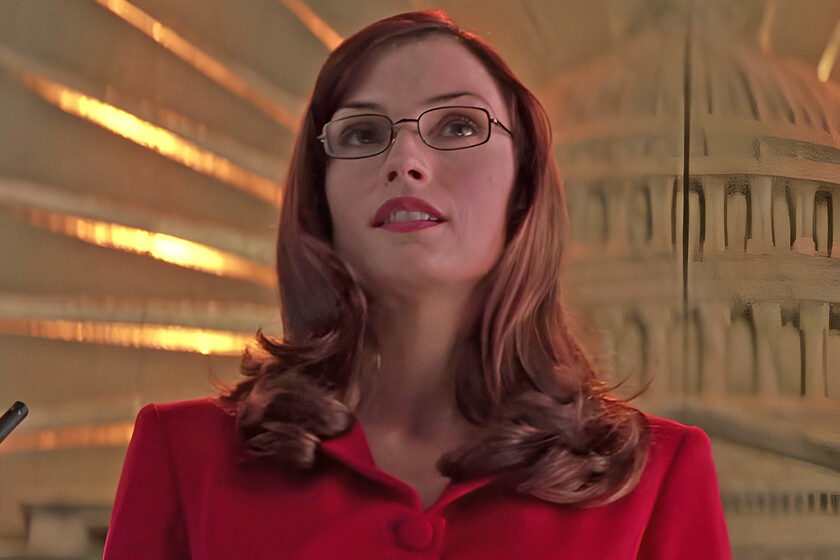
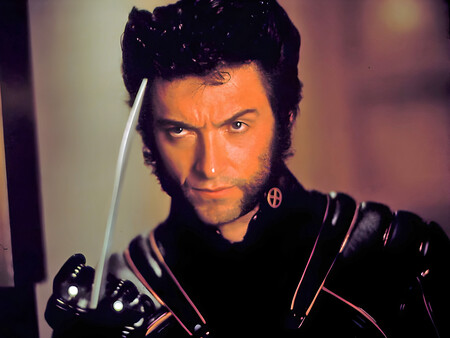
The film introduced a generation of viewers to a cast that would define these characters for a quarter of a century. Hugh Jackman, then a relatively unknown Australian stage actor, was cast as Logan/Wolverine—a role he would go on to play for 24 years, most recently in 2024’s Deadpool & Wolverine. Alongside Jackman, the film featured Patrick Stewart as Professor Charles Xavier and Ian McKellen as Magneto, providing a level of Shakespearean gravitas that elevated the genre’s perceived intellectual value. The ensemble was rounded out by James Marsden as Cyclops, Famke Janssen as Jean Grey, Halle Berry as Storm, and Anna Paquin as Rogue.
The success of X-Men (2000) proved that ensemble superhero films could resonate with adult audiences by addressing themes of prejudice, segregation, and the ethics of evolution. This thematic depth laid the groundwork for the MCU’s later explorations of government oversight in Captain America: Civil War and the philosophical nihilism of Thanos in Avengers: Infinity War.
Narrative Foundations: The Ideological Conflict
The core of X-Men (2000) revolves around the struggle for mutant rights and the diverging philosophies of two powerful men: Charles Xavier and Erik Lehnsherr (Magneto). This ideological rift is essential context for the upcoming Avengers: Doomsday, which is expected to feature Robert Downey Jr. as Victor von Doom. Much like Magneto, Doctor Doom is a character who often believes that extreme measures and total control are the only ways to ensure the survival of his people or the world.
In the 2000 film, the plot centers on Magneto’s plan to use a machine to induce mutations in world leaders during a summit at Ellis Island. His motivation is rooted in the trauma of the Holocaust and a cynical belief that humans will never accept mutants. Conversely, Xavier’s School for Gifted Youngsters serves as a sanctuary where mutants are taught to use their powers for the benefit of a society that fears them. This tension between isolationism/supremacy and integration/coexistence is a recurring motif that Marvel Studios is currently weaving into its Multiverse narrative, particularly as "anchor beings" and alternate realities begin to collide.

Financial Performance and Industry Impact
The commercial metrics of X-Men (2000) underscore its importance as a proof-of-concept for the modern blockbuster. Produced on a relatively modest budget of $75 million, the film grossed $157.3 million in the United States and Canada and $139 million in other territories, for a worldwide total of $296.3 million. While these figures are eclipsed by modern billion-dollar MCU entries, in the context of the year 2000, it was a resounding success that triggered a "gold rush" for Marvel properties, leading directly to Sam Raimi’s Spider-Man (2002) and the eventual formation of Marvel Studios.
Data from the era indicates that X-Men had the highest opening weekend for a non-sequel film at that time, earning $54.5 million in its first three days. This performance convinced 20th Century Fox to greenlight a sprawling franchise that would eventually span 13 films over two decades. Marvel Studios’ recent acquisition of Fox’s assets via the Disney-Fox merger has finally allowed these storylines to merge, making the financial and cultural legacy of the 2000 film a primary asset for the Disney+ streaming library.
The Road to Doomsday: Integrating the Fox Universe
The inclusion of X-Men (2000) on the official "Road to Doomsday" list follows several years of incremental integration. The MCU first teased the return of the Fox universe in Doctor Strange in the Multiverse of Madness (2022), which featured Patrick Stewart reprising his role as a variant of Charles Xavier. This was followed by the mid-credits scene in The Marvels (2023), which introduced a version of Beast (Kelsey Grammer) and Binary in a parallel dimension.
However, the most significant bridge was Deadpool & Wolverine (2024). The film served as a eulogy for the Fox era while simultaneously establishing that characters from the 2000 film—such as Sabretooth and Pyro—exist within the "Void" at the end of time. Reports and leaked production details suggest that Avengers: Doomsday will feature a "Multiversal Army," and actors from the original X-Men trilogy, including James Marsden, have been heavily rumored to return. By directing fans to watch the original 2000 film, Marvel is effectively confirming that the specific iterations of these characters introduced 24 years ago are the ones that will face off against, or perhaps alongside, the Avengers.
Strategic Analysis of the 15-Film Roadmap
The "15-film roadmap" released by Marvel serves both a narrative and a corporate function. Narratively, it streamlines a convoluted history of over 40 films and series into a manageable "greatest hits" collection that explains the origins of the Multiverse and the significance of Doctor Doom. Corporately, it drives engagement for the Disney+ platform, where the majority of these titles are hosted.
The list reportedly includes:
- X-Men (2000)
- Spider-Man 2 (2004)
- Iron Man (2008)
- The Avengers (2012)
- Captain America: The Winter Soldier (2014)
- Avengers: Age of Ultron (2015)
- Captain America: Civil War (2016)
- Doctor Strange (2016)
- Avengers: Infinity War (2018)
- Avengers: Endgame (2019)
- Loki (Series – Seasons 1 & 2)
- Spider-Man: No Way Home (2021)
- Doctor Strange in the Multiverse of Madness (2022)
- Fantastic Four: First Steps (Upcoming)
- Deadpool & Wolverine (2024)
By starting with X-Men (2000), Marvel is acknowledging that the emotional stakes of Avengers: Doomsday rely on the audience’s long-term connection to these legacy characters. The film’s focus on the "near future" and the evolution of humanity provides the necessary thematic groundwork for a story that will likely involve the collapse of multiple realities.
Official Responses and Creative Direction
While Marvel Studios President Kevin Feige has remained characteristically tight-lipped about specific plot points for Doomsday, his public statements at San Diego Comic-Con and D23 have emphasized the "interconnectedness" of the upcoming slate. Feige has frequently cited the original X-Men films as the reason he pursued a career in film production, having served as an associate producer on the 2000 film. His involvement in both the beginning of the Fox franchise and the current peak of the MCU brings the narrative arc full circle.

Industry analysts suggest that the return to the 2000s era of filmmaking is a response to "superhero fatigue." By leaning into the nostalgia and the established gravity of the original X-Men, Marvel is attempting to recapture the sense of novelty and high-stakes drama that defined the early years of the genre.
Broader Impact and Future Implications
The re-prioritization of X-Men (2000) suggests that Avengers: Doomsday will be more than just a crossover; it will be a definitive conclusion to the "Legacy Era" of Marvel movies. As the MCU prepares to reboot the X-Men with a new cast in the coming years, this roadmap allows the studio to give the original actors a final, high-stakes curtain call.
For viewers, the return to the 2000 film offers a chance to revisit the origins of the mutant metaphor. In an era where cinema is increasingly dominated by digital effects, the practical sets and character-driven conflict of the original X-Men provide a stark contrast to the modern spectacle. As the 18-week countdown continues, each film on Marvel’s list will likely be scrutinized for clues regarding Doctor Doom’s motivations and the ultimate fate of the Multiverse.
Avengers: Doomsday is scheduled for global release in May 2026, followed by Avengers: Secret Wars in 2027. Until then, the journey begins where it all started for the modern era: with a group of outcasts in a mansion in Westchester, fighting for a world that fears and hates them. X-Men (2000) is currently available for streaming on Disney+, serving as the first mandatory step in a narrative journey that spans over a quarter of a century of cinematic history.

0 Comments