
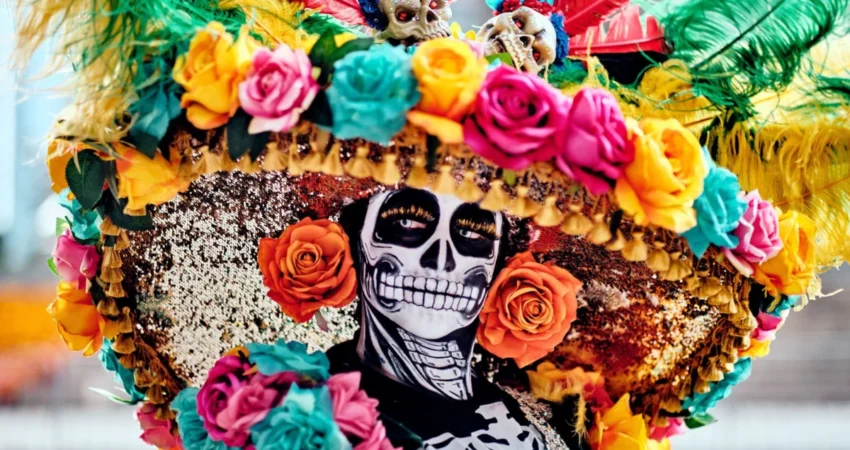
The Mega Procesión de Catrinas 2026 will take place on Sunday, October 25, marking a significant milestone in Mexico City’s cultural calendar as the city prepares for its annual Day of the Dead festivities. This contemporary tradition, which has grown exponentially since its inception in 2014, serves as a grand prelude to the November commemorations, blending historical iconography with modern artistic expression. As one of the most anticipated public gatherings in the Mexican capital, the 2026 edition promises to mobilize thousands of participants and millions of spectators along the city’s most iconic thoroughfares, solidifying the "Catrina" as a global symbol of Mexican identity.
The event is strategically scheduled for the final Sunday of October, acting as a bridge between the month’s end and the solemnity of the Día de Muertos (Day of the Dead) holidays on November 1 and 2. Organized by civil society groups with the support of municipal authorities, the parade has evolved from a niche artistic gathering into a massive cultural phenomenon that attracts international tourism and fosters community engagement across all demographics.
The Evolution and Historical Context of the Catrina
To understand the significance of the 2026 Mega Procesión, one must look at the history of the figure that inspires it. The "Calavera Catrina" was originally an etching titled La Calavera Garbancera, created by the legendary Mexican lithographer José Guadalupe Posada between 1910 and 1913. Posada’s work was a satirical critique of the Mexican bourgeoisie who sought to adopt European aristocratic traditions while denying their own indigenous heritage. The skeletal figure, adorned only with a French-style hat, served as a reminder that death is the ultimate equalizer, regardless of wealth or status.
The figure was later immortalized and renamed "La Catrina" by muralist Diego Rivera in his 1947 masterpiece, Dream of a Sunday Afternoon in the Alameda Central. Rivera depicted the skeleton in a full, elegant dress, standing alongside Posada and a young version of Rivera himself. Since then, the Catrina has transitioned from a political caricature to a beloved cultural icon. The Mega Procesión de Catrinas, which began just over a decade ago, was established to reclaim this icon from the commercialized influence of foreign traditions like Halloween, ensuring that the Mexican perspective on mortality remains at the forefront of the season.
Detailed Schedule and Logistical Framework for 2026
The 2026 event is designed as a full-day cultural immersion, beginning long before the first contingent moves down Paseo de la Reforma. According to the preliminary schedule, activities will commence in the early morning hours to accommodate the intricate preparations required for participants.
Morning Preparations: The "Encantrinamiento"
Starting at 8:00 a.m. on Sunday, October 25, the area surrounding the Angel of Independence will be converted into a massive open-air dressing room. Official makeup artists, sanctioned by the event organizers, will set up tents to assist the public in their transformation. Known as "encantrinamiento," this process involves applying elaborate face paint that ranges from traditional monochromatic skull designs to vibrant, floral-inspired masterpieces. By providing professional services on-site, the organizers ensure a high level of aesthetic quality and safety, using skin-safe pigments that can withstand the day’s activities.
Afternoon Entertainment
By 2:00 p.m., the atmosphere at the Angel of Independence will shift toward celebration. Live music, performance art, and cultural presentations are scheduled to take place on various stages along the initial stretch of the route. These performances are designed to engage the crowds as they gather, providing a festive environment while security forces and event coordinators organize the various thematic contingents.
The Procession: Route and Timing
The official start of the Mega Procesión de Catrinas 2026 is set for 6:00 p.m. The procession will follow a historic route through the heart of Mexico City:
- Departure: The Angel of Independence (Paseo de la Reforma).
- Primary Corridor: The parade will move eastward along Paseo de la Reforma, passing landmarks such as the Senate of the Republic and the Glorieta de las Mujeres que Luchan.
- The Historic Center: The route turns onto Avenida Juárez, passing the Alameda Central and the Palacio de Bellas Artes.
- Final Leg: The contingents will enter the Calle 5 de Mayo, heading directly toward the main square.
- Arrival: The first groups are expected to reach the Zócalo (Plaza de la Constitución) at approximately 8:30 p.m.
Thematic Contingents: A Diverse Display of Artistry
The 2026 edition will feature more than thirty distinct thematic contingents, each representing a different facet of Mexican society or artistic discipline. This diversity is a hallmark of the Mega Procesión, allowing various subcultures to interpret the Catrina through their own unique lenses.
While the final list of groups is often finalized in the weeks leading up to the event, typical contingents include:
- Mesoamerican Catrinas: Highlighting the pre-Hispanic roots of the cult of the dead, featuring Aztec and Mayan motifs.
- Traditional Clothing: Participants dressed in the regional attire of Mexico’s 32 states, from the Tehuana dresses of Oaxaca to the Charro suits of Jalisco.
- Contemporary and Urban Catrinas: Incorporating modern fashion, steampunk aesthetics, and rock-and-roll influences.
- Professional Contingents: Groups representing specific occupations, such as doctors, firefighters, and teachers, who march in memory of colleagues who have passed.
- International Guests: In recent years, the parade has welcomed delegations from other countries who wish to pay homage to Mexican culture while introducing their own funerary traditions.
Economic Impact and Tourism Data
The Mega Procesión de Catrinas is not only a cultural milestone but also a significant economic driver for Mexico City. Data from previous years suggest that the period surrounding Day of the Dead generates billions of pesos in revenue for the city’s service industry.
In 2026, tourism officials anticipate hotel occupancy rates in the historic center and along the Reforma-Polanco corridor to exceed 90%. The influx of international visitors—primarily from the United States, Canada, Colombia, and Spain—contributes to a surge in spending at restaurants, artisanal markets, and transportation services. Furthermore, the event provides a platform for hundreds of local artists, makeup professionals, and costume designers to showcase their work, stimulating the "Orange Economy" (creative industries) within the capital.
Safety Measures and Public Coordination
Given the massive scale of the event, the Mexico City government, in coordination with the Secretariat of Public Security (SSC) and Civil Protection, will implement a comprehensive safety plan. Major road closures will be in effect along Paseo de la Reforma and the streets leading into the Zócalo starting from the early morning of October 25.
Authorities recommend that attendees use public transportation, specifically the Metro and Metrobús, though certain stations (such as Zócalo-Tenochtitlan and those along Reforma) may experience temporary closures or limited access to manage crowd density. Emergency medical stations and lost-and-found points for children will be stationed at intervals along the route to ensure a family-friendly environment.
Global Visibility and Digital Presence
For those unable to attend the event in person, the Mega Procesión de Catrinas 2026 will maintain a robust digital presence. The organizers have confirmed that the parade will be broadcast via TikTok Live on their official channel. This digital strategy has proven successful in previous years, reaching millions of viewers worldwide and sparking viral trends that further promote Mexican tourism.
The shift toward live-streaming reflects the event’s growing status as a global media event. International news outlets and documentary crews are expected to be present, capturing the visual spectacle for audiences across the globe. This visibility has helped the Day of the Dead—and the Mega Procesión specifically—become a bucket-list experience for cultural travelers.
Broader Implications: Culture vs. Commercialization
The continued success of the Mega Procesión de Catrinas highlights a complex dialogue between tradition and modernization. Critics sometimes argue that the massive scale and media focus of such parades move the holiday away from its intimate, domestic roots of altars (ofrendas) and cemetery vigils. However, cultural analysts suggest that the Mega Procesión serves a different, yet equally vital, purpose.
By taking the Catrina to the streets, the event democratizes the celebration, making it accessible to those who may not have the space for a traditional altar or who wish to express their grief and remembrance in a communal, celebratory setting. It also acts as a cultural shield against the homogenization of global holidays. In the face of increasing influence from Halloween, the Mega Procesión reinforces the unique Mexican philosophy that death is not something to be feared, but a part of life to be embraced with color, music, and satire.
As Mexico City prepares for the October 25, 2026, event, the Mega Procesión de Catrinas stands as a testament to the enduring power of Mexican iconography. It is a day when the past and present collide, where the dead are honored through the vitality of the living, and where the streets of one of the world’s largest metropolises are reclaimed by the elegant skeletons that remind us all of our shared humanity.

0 Comments