
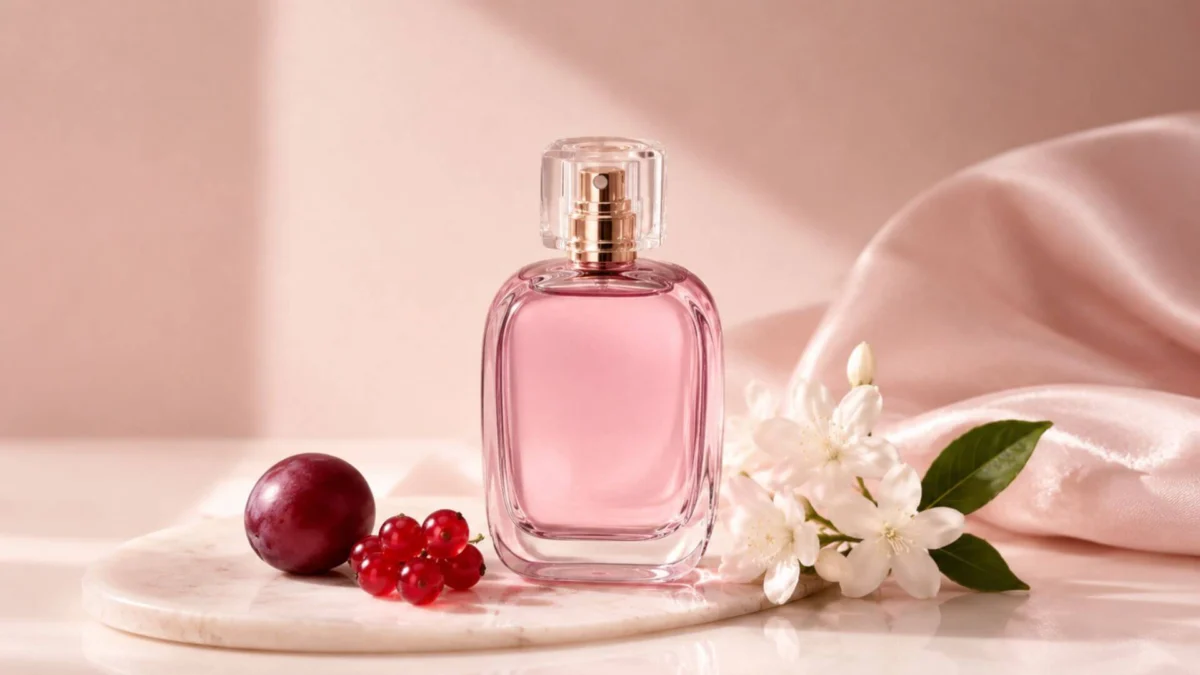
The Spanish supermarket giant Mercadona has once again solidified its position as a dominant force in the "masstige" beauty sector with the launch of its latest olfactory offering, Aqua Royale Wonder. Released on July 20, 2026, this feminine eau de toilette has rapidly ascended to viral status across social media platforms, specifically TikTok and Instagram, where beauty enthusiasts and industry analysts have dissected its composition and value proposition. Priced at a modest €7.50 for a generous 200ml bottle, the fragrance represents a strategic move by the Valencia-based retailer to capture the summer fragrance market by blending high-end floral and gourmand notes with a price point that challenges traditional luxury perfumery.

The Composition and Olfactory Profile of Aqua Royale Wonder
The success of Aqua Royale Wonder lies in a carefully calibrated aromatic profile that mirrors the trends currently dominating the global fragrance industry. The scent opens with a vibrant top note of red fruits, which provides an immediate, juicy sweetness often associated with youthful, energetic summer perfumes. This initial brightness transitions into a heart dominated by jasmine sambac. Unlike traditional jasmine, the sambac variety is prized in perfumery for its richer, more indolic, and slightly green facets, which lend an air of sophistication to the middle stage of the fragrance’s evolution.
The base of the fragrance is anchored by vanilla, a perennial favorite in the gourmand category. This choice of base note provides a soft, creamy, and "edible" finish that lingers on the skin, creating a comforting sillage. Some independent reviewers and olfactory experts have also noted subtle undertones of plum and grape, which further enhance the "dark fruit" complexity of the scent. The result is a fragrance that occupies the space between a fruity-floral and a pure gourmand, a category that has seen exponential growth among Gen Z and Millennial consumers over the last five years.

Chronology of a Viral Sensation
The timeline of Aqua Royale Wonder’s rise to prominence serves as a case study in modern retail marketing and organic digital discovery. The product was quietly introduced to the shelves of Mercadona’s 1,600+ stores on July 20, 2026. Within 48 hours, "shelf-scouting" accounts on Instagram began posting the first images of the distinctive packaging, sparking immediate curiosity among the retailer’s loyal "Deliplus" (Mercadona’s private beauty label) fan base.
By the first week of August, the conversation shifted from simple discovery to detailed analysis. Influencers such as JAYK and Yolanda Maquieira published comprehensive reviews that reached hundreds of thousands of viewers. JAYK’s analysis focused on the technical breakdown of the notes, providing a critical perspective on the longevity of the eau de toilette. Conversely, Maquieira’s testimonial emphasized the sensory experience, praising the fragrance’s ability to maintain its character on the skin despite the high temperatures of the Mediterranean summer. These diverging yet complementary viewpoints fueled a cycle of "try-on" videos and in-store testing clips that effectively turned the supermarket aisles into impromptu showrooms.

Supporting Data: The Economics of Supermarket Perfumery
The disruptive nature of Aqua Royale Wonder is best understood through a comparative economic lens. At €7.50 for 200ml, the unit price of the fragrance is approximately €0.037 per milliliter. In contrast, prestige fragrances with similar olfactory pyramids often retail for upwards of €1.20 to €2.50 per milliliter. This staggering price differential is a primary driver of the "dupe" culture, where consumers seek affordable alternatives to luxury scents.
Market data from the first half of 2026 indicates that the "affordable luxury" segment in Spain has grown by 12% year-on-year. Consumers are increasingly willing to sacrifice the brand prestige of a designer bottle for a high-quality scent profile that can be used liberally. The 200ml format of Aqua Royale Wonder is particularly significant here; while standard luxury perfumes are sold in 30ml, 50ml, or 100ml bottles, Mercadona’s decision to double the volume encourages "heavy-duty" usage. This allows consumers to re-apply the scent throughout the day or use it as a lifestyle fragrance for linens and home environments without the financial guilt associated with high-cost products.

Market Positioning and Comparison with Industry Icons
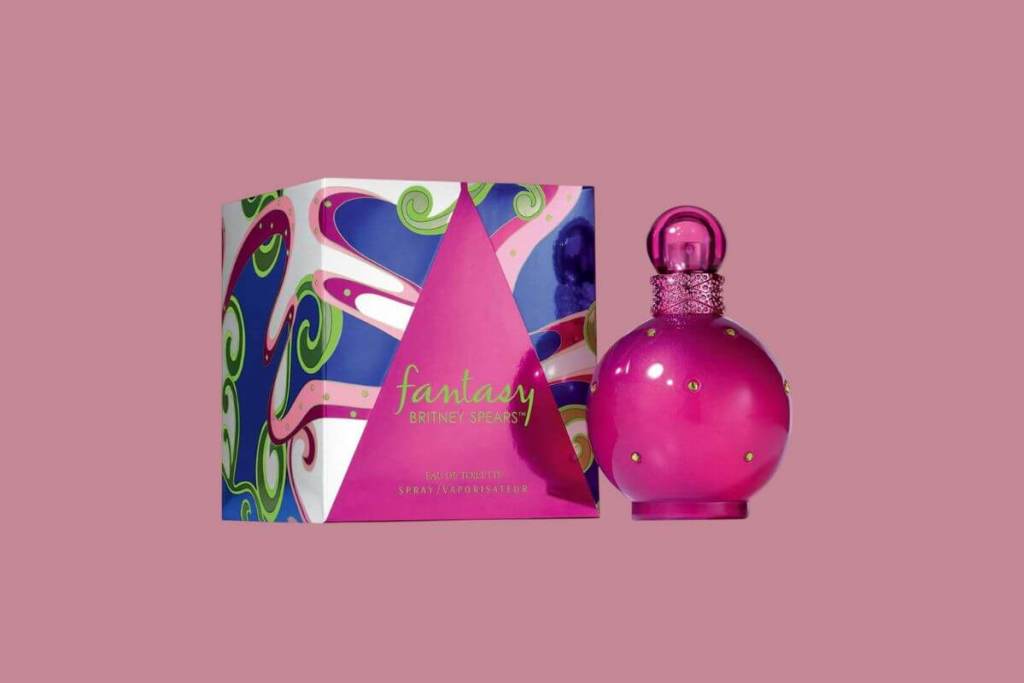
Industry analysts have frequently compared Aqua Royale Wonder to Britney Spears’ iconic Fantasy, a fragrance that has remained a bestseller since its 2005 debut. While Fantasy utilizes a more complex and heavier base—incorporating white chocolate orchid, cupcake accord, and woods—it shares the red fruit and jasmine heart found in the Mercadona release. However, Fantasy retails at approximately €16.95 for 100ml, making the Mercadona alternative nearly five times cheaper on a per-milliliter basis.
The comparison highlights a shift in consumer psychology. While the celebrity fragrance market once dominated the "accessible" tier, supermarket private labels have now moved into that vacuum. By stripping away the costs of celebrity endorsements, high-budget advertising campaigns, and elaborate bottle designs, retailers like Mercadona can invest more heavily in the liquid itself, utilizing reputable fragrance houses to develop scents that mimic the "DNA" of luxury bestsellers.
Technical Analysis: Longevity and Concentration
A point of contention within the beauty community regarding Aqua Royale Wonder is its performance. As an eau de toilette (EDT), it typically contains a fragrance oil concentration of between 5% and 15%. This is inherently lighter than an eau de parfum (EDP). In the context of a summer launch, this lower concentration is often viewed as a benefit. High heat can cause heavy, concentrated perfumes to become cloying or overwhelming; a lighter EDT provides a "refreshing" burst of scent that is more suitable for humid environments.
The debate between reviewers like JAYK, who noted a rapid fading of the scent, and Maquieira, who found it persistent, likely stems from individual skin chemistry and application methods. Fragrance experts suggest that the longevity of such affordable scents can be extended by applying them to well-moisturized skin or layering them over unscented body oils—a common tip shared in the comments sections of the viral videos.

Broader Implications for the Fragrance Industry
The viral success of Aqua Royale Wonder is indicative of a broader transformation in the global beauty landscape. The democratization of perfumery means that high-quality ingredients like jasmine sambac are no longer the exclusive domain of those willing to spend three-figure sums. This shift forces luxury brands to rethink their value propositions, often leaning harder into "exclusivity," "heritage," and "artisan craftsmanship" to justify their price points.
Furthermore, the role of the supermarket as a beauty destination has been solidified. Mercadona’s beauty department, often managed through its partnership with Laboratorios Maverick and RNB Cosmetics, has evolved from a convenience stop into a trendsetting hub. The ability of a supermarket chain to generate the same level of digital engagement as a major fashion house suggests that brand loyalty is increasingly being replaced by "product efficacy" and "viral validation."

Conclusion and Future Outlook
As the summer season of 2026 progresses, Aqua Royale Wonder remains a top-tier performer in the mass-market category. Its blend of accessible pricing, on-trend olfactory notes, and the "thrill of the hunt" created by its viral status has ensured its place in the vanity cases of a diverse consumer base.
Looking ahead, the success of this launch is likely to encourage further experimentation within Mercadona’s fragrance line. The industry expects a continuation of the "Aqua Royale" series, perhaps exploring cooler, more ozonic notes for the autumn or deeper, spiced profiles for the winter season. For now, Aqua Royale Wonder stands as a testament to the power of the "masstige" movement, proving that in the modern market, a €7.50 supermarket find can command as much attention as the most storied names in French perfumery. The implications for the luxury sector are clear: accessibility is no longer just a budget option; it is a formidable competitor that understands the digital zeitgeist better than many of its high-end rivals.

0 Comments