
The cinematic landscape of the mid-1990s was defined by several transformative works, but few have maintained a grip on popular culture as firmly as Michael Mann’s 1995 crime epic, Heat. Originally conceived as a sprawling exploration of the thin line between professional criminality and obsessive law enforcement, the film has transcended its initial theatrical run to become a foundational text for both filmmakers and video game developers. Currently experiencing a resurgence in visibility due to its availability on major streaming platforms including Netflix, Disney+, and Amazon Prime Video, Heat continues to be analyzed for its technical precision, its historical casting, and its profound influence on the multi-billion-dollar Grand Theft Auto (GTA) franchise.
The Narrative Architecture of a Crime Masterpiece
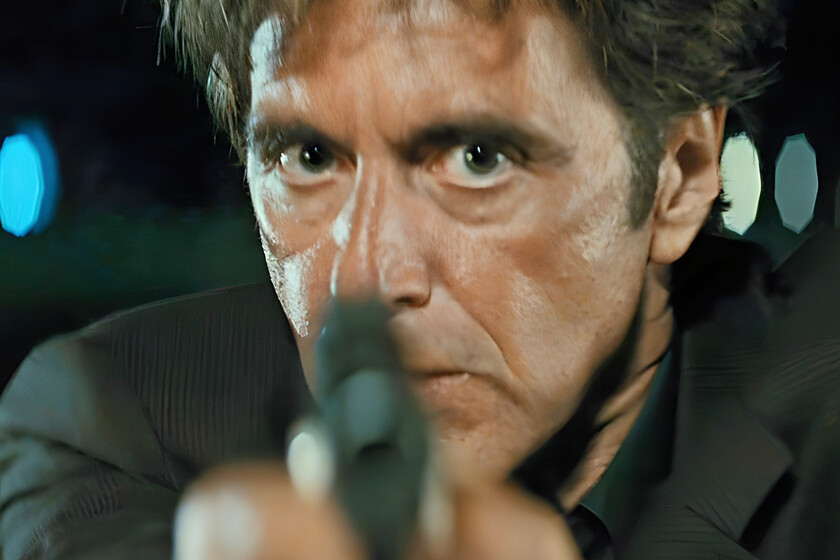
At its core, Heat is a procedural drama that pits two titans of cinema against one another in a high-stakes pursuit across the sprawling urban geography of Los Angeles. Robert De Niro portrays Neil McCauley, a disciplined, methodical thief who adheres to a strict personal code: "Allow nothing to be in your life that you cannot walk out on in thirty seconds flat if you spot the heat around the corner." Opposing him is Al Pacino as Lieutenant Vincent Hanna, a dedicated robbery-homicide detective whose relentless pursuit of McCauley mirrors the thief’s own professionalism, albeit at the cost of his personal life and third marriage.
The film’s narrative is noted for its symmetry. Mann treats both the protagonist and the antagonist with equal weight, illustrating that while they exist on opposite sides of the law, they share more in common with each other than with the society they inhabit. This duality is famously encapsulated in the "diner scene," the first time in cinematic history that De Niro and Pacino shared the screen. The scene, shot at Kate Mantilini in Beverly Hills, was filmed with two cameras simultaneously to capture the unrehearsed chemistry and subtle power play between the two actors, setting a benchmark for dialogue-driven tension.
The Evolution of Michael Mann’s Vision: A Chronology
The journey of Heat from a conceptual script to a cinematic landmark spanned nearly two decades. Michael Mann first drafted a 180-page treatment for the film in 1979, based on the real-life investigation of Chicago police officer Chuck Adamson and the criminal Neil McCauley, whom Adamson eventually killed in 1963.
In 1989, unable to secure the budget or the cast required for his full vision, Mann directed a condensed version of the story as a television pilot titled L.A. Takedown. While the pilot was eventually aired as a standalone TV movie, Mann remained dissatisfied with the limitations of the medium. It was not until the mid-1990s, following the success of The Last of the Mohicans, that Mann was granted the resources to execute the definitive version of the story.
The production of Heat was characterized by an uncompromising commitment to realism. The cast underwent extensive weapons training with former British Special Air Service (SAS) members. This training was not merely for show; it informed the tactical movements and reloading sequences that have since been praised by military and law enforcement professionals for their accuracy. The 107-day shoot took place entirely on location in Los Angeles, utilizing 65 different sites without the use of a single soundstage, further grounding the film in a tangible, gritty reality.
Technical Innovation and the Sonic Realism of the Downtown Shootout
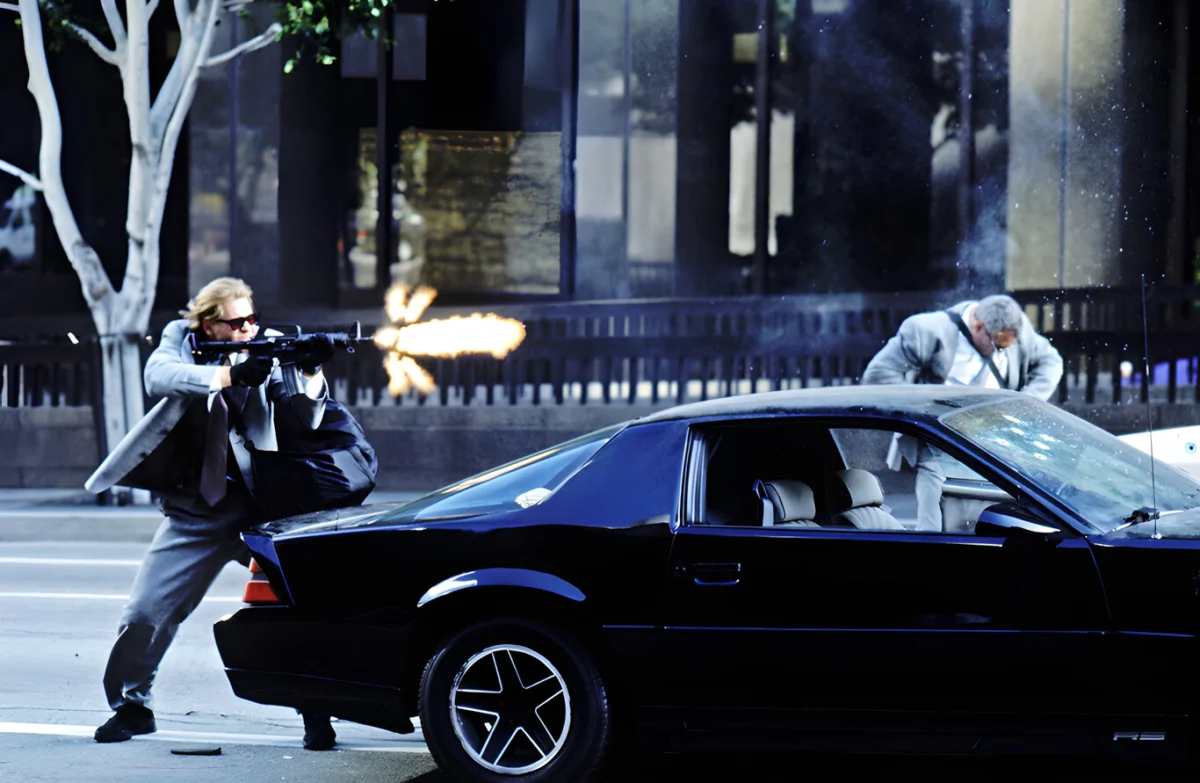
One of the most significant contributions Heat made to the action genre is the legendary downtown bank heist and the subsequent shootout. Spanning over ten minutes of screen time, the sequence is widely regarded as one of the greatest action set-pieces in film history.

Technically, the scene broke new ground in sound design. Rather than replacing the gunfire with pre-recorded studio sound effects—a standard practice in Hollywood—Mann and his sound team opted to use the live audio captured on-set. The thunderous echoes of the blank rounds bouncing off the glass and steel skyscrapers of Los Angeles created a visceral, cacophonous environment. This decision provided an auditory experience that made audiences feel as though they were in the middle of a war zone, a sensation that remains unmatched in modern digital filmmaking.
The precision of the choreography in this scene—specifically Val Kilmer’s character performing a tactical reload under fire—has been used as a training tool for United States Marine Corps recruits at MCRD San Diego, highlighting the film’s impact beyond the realm of entertainment.
The Digital Successor: Impact on the Grand Theft Auto Franchise
The influence of Heat extends far beyond the silver screen, serving as the primary aesthetic and structural inspiration for Rockstar Games’ Grand Theft Auto series. The developers have frequently cited Michael Mann’s work as a cornerstone for the series’ shift toward cinematic storytelling and complex heist mechanics.
In 2002’s Grand Theft Auto: Vice City, the mission "The Job" is an overt homage to Heat, featuring the players donning hockey masks and jumpsuits to rob a bank, mirroring the attire used by McCauley’s crew in the film’s opening armored car robbery. However, it was in 2013’s Grand Theft Auto V that the influence became most pronounced. The game’s setting, Los Santos, is a meticulously crafted digital recreation of Los Angeles that captures the same moody, atmospheric lighting and urban sprawl seen in Mann’s cinematography.
The mission "Blitz Play" in GTA V is a direct recreation of Heat’s opening heist. It involves using a tow truck to ram an armored vehicle and utilizing a "switch car" to escape the scene—tactics lifted directly from the film’s script. Furthermore, the character of Michael De Santa in GTA V serves as a spiritual successor to Neil McCauley: a professional criminal struggling to balance his high-stakes career with a fractured family life. The game’s "Heist" mechanic, which requires players to scout locations, recruit crew members, and choose between "loud" or "stealth" approaches, is a gamified version of the meticulous planning sequences that define the first two acts of Heat.
Critical Reception and Industry Standing
Upon its release on December 15, 1995, Heat was a commercial success, grossing approximately $187 million worldwide against a $60 million budget. While it received positive reviews, its stature has grown significantly in the decades since. Today, it holds high ratings on aggregate platforms such as Rotten Tomatoes and Metacritic, often cited by directors like Christopher Nolan as a major influence on their work. Nolan famously stated that Heat served as the primary inspiration for the "urban scale" of The Dark Knight, particularly its opening bank robbery sequence.
Industry publications have consistently lauded the film for its depth. Variety described it as a "drama criminal of epic dimensions," while The Hollywood Reporter highlighted the meeting of Pacino and De Niro as an "unprecedented cinematic event." The film’s longevity is attributed to its refusal to rely on simple "good vs. evil" tropes, instead focusing on the professional craftsmanship and the personal toll of high-level crime and law enforcement.
Supporting Data and Broader Implications
The legacy of Heat is also reflected in the current trend of "prequel-sequels." In 2022, Michael Mann co-authored the novel Heat 2, which serves as both a prequel and a sequel to the original film. The book became a New York Times bestseller, proving that the appetite for this specific brand of crime saga remains high nearly thirty years later. Mann has since confirmed that a film adaptation of the sequel is in active development, with rumors suggesting a new generation of A-list actors will step into the iconic roles.

The broader implications of Heat’s success can be seen in the "prestige crime" subgenre. It paved the way for television series like The Wire and films like The Town, which prioritize location-based realism and procedural accuracy over stylized action. The film’s exploration of the "professional" as a tragic figure has become a staple of modern storytelling, influencing how audiences perceive the motivations of both criminals and the police.
Conclusion: A Digital Renaissance in the Streaming Era
The current availability of Heat on Netflix, Disney+, and Prime Video marks a significant moment for both long-time fans and a new generation of viewers. For fans of the Grand Theft Auto franchise, watching the film offers a unique opportunity to see the "DNA" of their favorite games in its original form. For students of cinema, it remains a masterclass in direction, sound design, and acting.
As the industry moves further into the age of CGI-heavy spectacles, Heat stands as a reminder of the power of practical filmmaking and character-driven narratives. It is more than just a heist movie; it is an exhaustive study of the American city and the men who operate within its shadows. Whether viewed through the lens of its historical importance to the 1990s or its ongoing influence on the multi-billion-dollar gaming industry, Heat remains an essential pillar of contemporary culture.

0 Comments