
As the global fashion industry pivots toward the final quarters of 2026, the seasonal transition is marked by a return to structural integrity and chromatic restraint. While summer collections focused on high-visibility palettes and diaphanous fabrics, the emerging autumn aesthetic prioritizes longevity, versatility, and "quiet luxury." This shift is not merely a stylistic preference but a response to a shifting economic landscape where consumers are increasingly prioritizing "investment pieces" over fleeting micro-trends. The current season’s offerings from both premium and contemporary labels suggest that minimalism has evolved; it is no longer defined by a lack of detail but by the precision of its execution. Discreet cut-outs, waist-defining knots, and boat necklines have become the primary tools for updating the classic midi and maxi silhouettes that anchor the modern woman’s wardrobe.

The Strategic Shift Toward Textural Minimalism
The 2026 autumn collections demonstrate that minimalism is entering a "textural phase." According to market data from the first half of the year, there has been a 14% increase in consumer searches for "textured neutrals" and "sculptural knits." This indicates a departure from the flat, sterile minimalism of previous years. Designers are now utilizing techniques such as ribbed knitting, matte satin finishes, and rigid denim to provide visual interest without relying on loud patterns or logos.
The introduction of discreet calados (openwork) and sculptural sleeves allows a garment to maintain a monochromatic profile while offering a sophisticated interplay of light and shadow. Industry analysts observe that this approach serves a dual purpose: it satisfies the demand for understated elegance while ensuring that the garments are photographically compelling for digital platforms. The emphasis on the "fall" or "drape" of the fabric has become a central selling point, with brands like Sandro and Arket focusing heavily on the weight of their materials to ensure a silhouette that holds its shape throughout a full day of wear.

Chronology of the Autumn Transition
The rollout of these minimalist collections follows a specific chronological pattern designed to align with fluctuating temperatures and the return to professional environments.
- Late August – Early September (The Hybrid Phase): Brands introduced lightweight satin and "dry-touch" knits. This period focused on sleeveless or short-sleeved midi dresses in darker tones like navy and charcoal, allowing for a gradual departure from summer aesthetics while maintaining breathability.
- Mid-September (The Structural Peak): The current market phase sees the arrival of long-sleeved silhouettes and heavier fabrics. This is where the "boat neck" and "waist knot" details become prominent. Pieces from Rouje and SKFK are currently leading this segment, offering transitional weight that accommodates the "layering" strategy essential for autumn mornings and evenings.
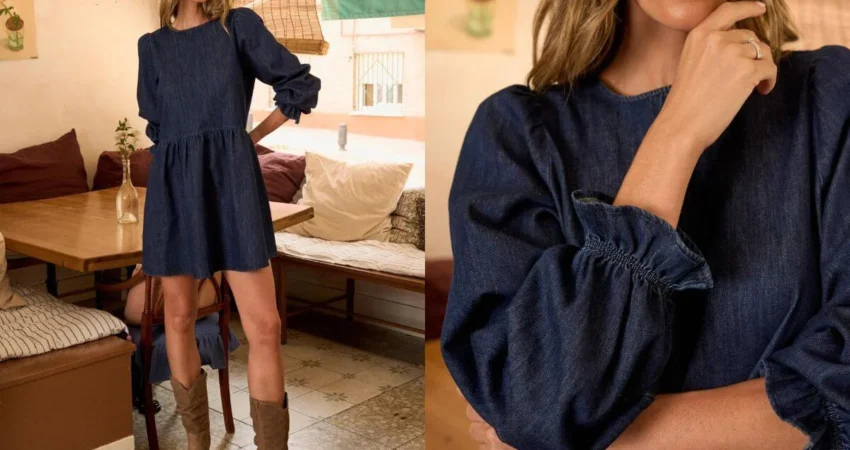
- Late September – October (The Denim and Heavy Knit Expansion): As temperatures stabilize at lower levels, the focus shifts toward rigid denim and full-length knitwear. Dark-wash denim, as seen in the latest releases from Salsa Jeans and Polín et Moi, provides a more utilitarian take on minimalism, bridging the gap between casual weekend wear and relaxed office attire.
Technical Analysis of Design Elements: Necklines and Waistlines
The boat neck (escote barco) has emerged as the definitive neckline of the 2026 season. From a design perspective, the boat neck offers a horizontal line that balances the proportions of the face and shoulders, providing a frame for the collarbones that is both modest and inherently sophisticated. This design choice reflects a broader industry move toward "modest fashion" that does not sacrifice allure.

Simultaneously, the use of knots and cinched waists serves a functional anatomical purpose. By integrating the knot into the fabric of the dress itself—rather than relying on an external belt—designers are creating a more seamless and integrated look. This technique allows for a customized fit that accommodates various body types, a move that aligns with the industry’s ongoing commitment to inclusivity and ergonomic design. The "midi" length remains the dominant hemline, as it offers the most versatility across different footwear categories, from high-heeled boots to minimalist sneakers.
Market Positioning and Brand Performance
The current market for minimalist dresses is divided into three distinct price tiers, each targeting a specific consumer demographic while maintaining a unified aesthetic.

The Premium Segment: Sandro and Rouje
Sandro’s long-sleeved knit dress, priced at 295 euros, represents the high-end contemporary market. Its use of ruffled cuffs and a deep V-neck provides a romantic counterpoint to its otherwise austere silhouette. Similarly, Rouje’s midi knit at 250 euros leverages the "Parisian chic" aesthetic, utilizing elasticated openwork to create a body-conforming yet breathable garment. These brands are currently seeing high sell-through rates among professionals in urban centers like Madrid, Paris, and London.
The Ethical and Contemporary Segment: SKFK and Arket
SKFK, a brand rooted in ethical production, offers a boat-neck midi at 90 euros, appealing to the environmentally conscious consumer. This price point is particularly competitive, as it offers GOTS-certified materials at a sub-100-euro level. Arket’s 99-euro satin maxi dress follows a similar logic, providing a high-gloss, high-impact garment that remains accessible. Analysts suggest that Arket’s success in 2026 is largely due to its "essentialist" branding, which encourages consumers to buy fewer, better-made items.

The Denim and Daily-Wear Segment: Salsa Jeans and Polín et Moi
Denim remains a cornerstone of the autumn wardrobe. Salsa Jeans’ midi denim dress (99.95 euros) and Polín et Moi’s short dark-wash variant (65.95 euros) represent the democratization of the minimalist trend. These pieces are designed for high-frequency wear, utilizing durable textiles that age better than synthetic blends.
Industry Statements and Expert Reactions
Fashion historians and retail consultants have noted the significance of this season’s restraint. "What we are seeing in late 2026 is a refinement of the ‘Quiet Luxury’ movement that began years ago," states Elena Rodriguez, a senior fashion consultant based in Barcelona. "The consumer is no longer impressed by brand names; they are impressed by the quality of the seam, the origin of the fiber, and the versatility of the color palette. A chocolate brown dress is no longer just a brown dress—it is a strategic asset in a curated wardrobe."

Furthermore, representatives from the textile industry have reported a 20% increase in the production of recycled polyester satins and organic cotton knits for the 2026 season. This shift indicates that the "minimalist" aesthetic is being matched by a "minimalist" impact on the environment, as brands seek to reduce their carbon footprints in accordance with new EU textile regulations.
Broader Implications: The "Uniform" Economy
The resurgence of minimalist dresses also points toward a socio-economic trend often referred to as the "Uniform Economy." As the boundaries between professional and personal life continue to blur, consumers are seeking garments that can transition between environments without requiring a change of clothes. A minimalist midi dress paired with a blazer serves as a professional ensemble; the same dress, when paired with statement jewelry or suede accessories, becomes suitable for evening social engagements.

This versatility has a direct impact on the resale market. Data from luxury resale platforms indicates that minimalist, neutral-toned dresses from brands like ba&sh and Sandro retain up to 60% of their original value, significantly higher than trend-heavy or printed garments. This "resale factor" is increasingly influencing primary purchase decisions, as consumers view their clothing as an asset class rather than a disposable commodity.
Conclusion: The Longevity of the Minimalist Ideal
As the 2026 autumn season progresses, the dominance of clean lines and neutral tones appears to be more than a passing phase. It represents a maturation of the fashion industry, where the focus has shifted from the "new" to the "enduring." By prioritizing elements like the boat neck, the cinched waist, and the high-quality knit, designers are providing a roadmap for a more sustainable and sophisticated future. The minimalist dress is not merely a garment for the transition between summer and winter; it is the foundation of a modern, conscious, and highly functional approach to dressing in an increasingly complex world. In the coming months, expect to see these silhouettes further reinforced by heavy outerwear and artisanal accessories, proving that in the realm of high fashion, simplicity remains the ultimate form of sophistication.

0 Comments