
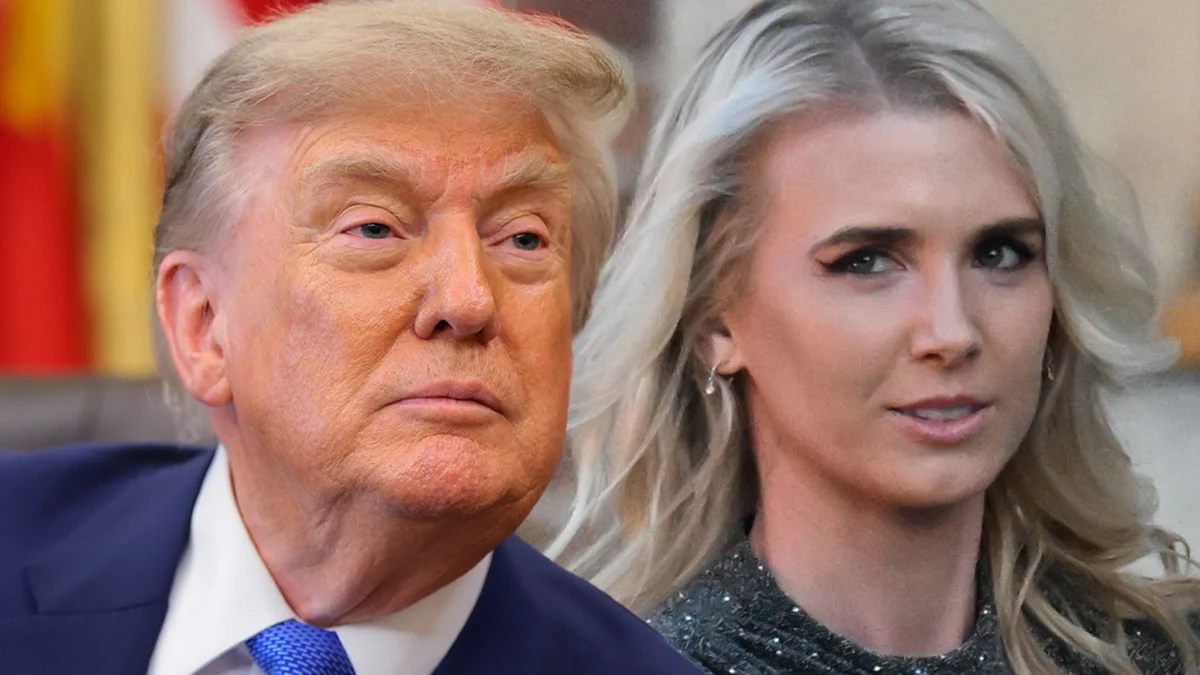
The public has gained unprecedented insight into the intensely personal and professional relationship between former President Donald Trump and his executive assistant, Natalie Harp, following the recent publication of two intimate letters she penned to him. These correspondences, dated around Trump’s May 2023 golf tour of Scotland and Ireland, reveal Harp’s profound devotion, expressing sentiments such as "You are all that matters to me" and "I don’t want to ever let you down." The revelations, first brought to light by The Daily Beast, offer a rare glimpse into the complex dynamics within Trump’s inner circle, characterized by fervent loyalty, personal anxieties, and the demanding nature of high-stakes political proximity.
The Unveiling of Private Correspondence
The publication of Natalie Harp’s letters by The Daily Beast on Thursday night, August 20, 2026, ignited considerable discussion across political and media landscapes. The articles presented the full text of the two alleged letters, offering an unvarnished view of Harp’s emotional and professional state during a period when she was traveling with the former president. As Trump’s executive assistant, Harp occupies a position that traditionally demands discretion and professionalism, yet these letters transcend typical workplace communication, venturing into deeply personal territory. The immediate public reaction underscored the ongoing fascination with the personal interactions and loyalty demands within the orbit of such a prominent and polarizing figure. The timing of the publication, more than three years after the letters were reportedly written, raises questions about their source and the motivations behind their release, contributing another layer of intrigue to the narrative. The contents suggest a level of emotional investment and perceived vulnerability that is atypical for a professional aide, prompting observers to scrutinize the boundaries and expectations inherent in such roles.
A Deep Dive into the Letters’ Content
The two letters collectively paint a picture of a staffer navigating immense pressure, striving for approval, and expressing a loyalty that verges on the absolute. Each letter provides distinct yet interconnected insights into Harp’s mindset and her relationship with Trump.
Letter One: Apology and Anxiety
The first letter, believed to have been written shortly after an incident during the May 2023 trip, is primarily an apology laced with anxiety. Harp expresses profound regret over perceived missteps that she feared might have displeased Trump. She recounts an airport incident where she believed she was left behind alone at customs without her passport, leading her to panic and call Trump directly instead of contacting the Secret Service. This account highlights a potential breakdown in protocol and a direct appeal to Trump as her immediate solution provider, underscoring her reliance on him.
Beyond the airport mishap, Harp also apologizes for stepping onto a golf course during their outing instead of remaining in a cart, a seemingly minor transgression that she elevates to a matter requiring earnest forgiveness. Her plea, "please forgive me," for any unknown offense, reveals a deep-seated fear of causing trouble or falling out of favor. This intense desire for rectification is further emphasized by her declaration that she wants "things to always be right between us." The letter details her emotional toll, noting she had "been distracted all week" and at times forgot to eat and sleep, indicative of significant stress and preoccupation with her standing. The culmination of this letter is a poignant expression of her fear that Trump’s opinion of her might have diminished due to "remarks about her" made by others, emphasizing her sole desire "to bring joy to Trump." She concludes this letter by referring to Trump in remarkably personal terms as "my Guardian and Protector in this life," a phrase that goes far beyond a typical professional acknowledgment and suggests a deeply personal and almost familial bond.
Letter Two: Burnout, Loyalty, and Ambition
The second letter, while still imbued with deep loyalty, shifts slightly in tone to reveal Harp’s professional frustrations and personal ambitions. She begins by thanking Trump for the opportunity to "unplug" during their time together on the golf course, appreciating moments where they could "forget what time it was" without the constant demands of their roles. This sentiment offers a rare glimpse into the relief Harp found in escaping the relentless pace of her work.
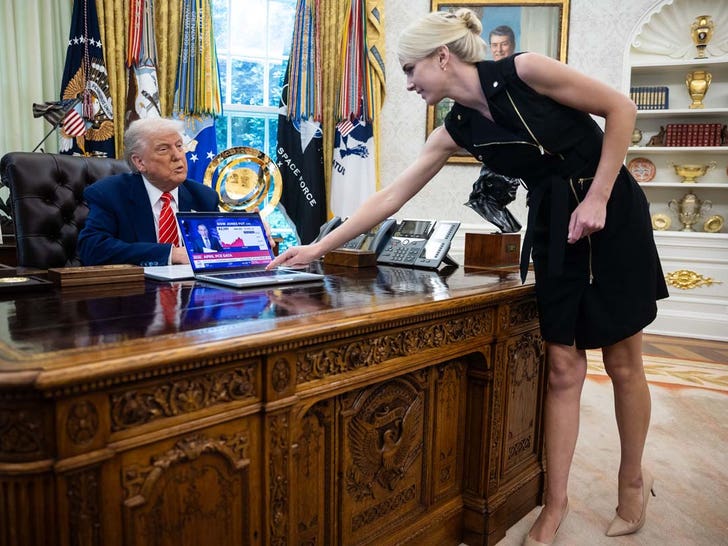
A significant revelation in this letter pertains to her unofficial nickname: "Human Printer." Harp states, "I didn’t have to be ‘Human Printer’," directly referencing her role in the White House, where she was known for rapidly printing out favorable articles about Trump and presenting them to him. This detail not only confirms her role in curating positive media for the president but also hints at the monotonous and potentially exhausting nature of this specific task.
Harp candidly admits to approaching burnout, noting that Trump had observed her occasional "slightly negative" mood. This admission of vulnerability is immediately followed by an expression of envy for those whose job "seems to be to talk with [Trump] and look pretty," emphatically stating, "I want that job!!" This candid desire for a different, perhaps more visible and less taxing, role within Trump’s inner circle underscores her professional aspirations and her perception of other staff members’ duties. She describes feeling like an "in-betweener," caught between the formal staff and those who enjoy more casual interactions with Trump on the plane or at dinner. This sense of being marginalized or not fully integrated harks back to her previous experience as a talk show host for the ultra-conservative "One America News Network," a job she explicitly states she "hated." The comparison suggests a pattern of seeking validation and a more fulfilling role in high-profile environments.
The second letter concludes with an extraordinary declaration of loyalty: Harp tells Trump that he has the "absolute right to cuss me out, if need be, when I deserve it, because no one knows or cares about me more." This statement reveals a profound level of submission and trust, granting Trump an almost parental authority over her, further cementing the image of an employee deeply invested in her relationship with her boss, even to the extent of accepting verbal reprimand as a sign of care.
Contextualizing the May 2023 European Trip
Donald Trump’s golf trip to Scotland and Ireland in May 2023 was ostensibly a business venture, aimed at visiting and promoting his prestigious golf properties: Trump International Golf Links in Aberdeen, Scotland, and Trump Doonbeg in County Clare, Ireland. The journey, however, carried significant political undertones, occurring as Trump was intensifying his campaign for the 2024 Republican presidential nomination.
The trip commenced on May 1, 2023, with Trump arriving in Scotland, where he spent several days before traveling to Ireland. During his time in both countries, he engaged in golf rounds, held press conferences, and interacted with supporters and staff. Such international excursions, particularly involving luxury properties, are often meticulously planned logistical operations, requiring extensive coordination from advance teams, security personnel, and personal staff. Natalie Harp, as executive assistant, would have been deeply embedded in the logistical and personal support apparatus for the former president during this high-profile tour.
The political climate in May 2023 was highly charged. Trump was facing multiple legal challenges, including investigations related to the January 6th Capitol attack, his efforts to overturn the 2020 election results, and ongoing scrutiny over classified documents. Simultaneously, he was actively campaigning, frequently using his public appearances, even those abroad, to criticize political opponents and rally his base. For his staff, this period would have been exceptionally demanding, requiring constant vigilance, loyalty, and an ability to navigate both professional duties and the intense political pressures surrounding the former president. The letters, therefore, are not merely personal reflections but products of a specific, high-stress environment where personal and political stakes were intertwined.
Who is Natalie Harp? Background and Role
Natalie Harp’s journey to becoming a key aide in Donald Trump’s orbit is a testament to the circuitous paths individuals can take within conservative media and politics. Before joining Trump’s team, Harp gained recognition as a host on the One America News Network (OAN), a cable news channel known for its staunchly conservative viewpoint and unwavering support for Trump. Her tenure at OAN, which she explicitly states she "hated" in her letters, provided her with a platform to articulate conservative perspectives and align herself with the populist movement that Trump championed. This background in media, particularly in a channel that often mirrored Trump’s own rhetoric, likely facilitated her transition into his inner circle.
As Trump’s executive assistant, Harp’s responsibilities extended far beyond typical administrative tasks. Her "Human Printer" nickname encapsulates a specialized, almost performative, aspect of her role: to quickly source and print favorable news articles about Trump, ensuring he was constantly fed positive media reinforcement. This role is not merely logistical; it speaks to the psychological ecosystem around Trump, where the control of narrative and the affirmation of his public image are paramount. Harp’s ability to anticipate and fulfill this specific need would have made her an invaluable asset, placing her in close proximity to the former president. Her duties would have included managing communications, scheduling, and providing general support, often involving long hours and high pressure, particularly during travel or intense political periods. Her personal letters offer a poignant contrast to this public-facing, highly functional image, revealing the emotional and mental toll of such demanding service.
Workplace Dynamics in the Trump Orbit
The revelations from Natalie Harp’s letters shed light on the unique and often intense workplace dynamics prevalent within Donald Trump’s political operations. Loyalty has consistently been portrayed as the supreme virtue within Trump’s organizations, from his business empire to his political campaigns and administration. This emphasis often creates an environment where staff members feel immense pressure to demonstrate unwavering allegiance, sometimes blurring the lines between professional duty and personal devotion.
Throughout his career, Trump has been known for demanding absolute loyalty from his subordinates, often rewarding it handsomely while swiftly ostracizing those perceived as disloyal or underperforming. This management style has led to a high turnover rate among his staff, with numerous aides either departing or being dismissed under contentious circumstances. Those who remain often exhibit extraordinary levels of dedication, publicly defending Trump and aligning themselves entirely with his agenda. Harp’s letters illustrate this dynamic vividly, portraying an employee who not only performs her duties but also deeply internalizes the need to please and protect her boss, to the extent of expressing profound personal distress over perceived failures.
The "in-betweener" sentiment expressed by Harp also highlights the hierarchical complexities and potential for social isolation within such a high-stakes environment. Staffers may find themselves in a precarious position, striving to gain favor and access to the principal, while simultaneously navigating relationships with other powerful figures within the organization. This competitive atmosphere, combined with the intense public scrutiny that accompanies working for a figure like Trump, can foster an environment where personal boundaries are constantly tested and the professional relationship can morph into something far more intricate and emotionally charged.
Analysis of Implications and Interpretations
The public disclosure of Natalie Harp’s letters carries multifaceted implications, inviting analysis from political, ethical, and media perspectives.
Political Implications
From a political standpoint, these letters offer opponents of Donald Trump fresh ammunition to portray his inner circle as cult-like or overly deferential. The deeply personal and emotionally charged language, particularly phrases like "my Guardian and Protector" and the willingness to be "cussed out," could be leveraged to suggest an unhealthy power dynamic. Conversely, Trump’s ardent supporters might interpret the letters as a testament to the profound loyalty he inspires, viewing Harp’s devotion as a positive reflection of his leadership and character. They might see her words as an honest expression of respect and admiration for a leader who truly cares for his staff, framing her anxieties as merely human reactions to a demanding but rewarding role. The revelations could also fuel narratives about the intense scrutiny and pressure faced by anyone working closely with Trump, regardless of political affiliation.
Ethical and Professional Considerations
The letters raise significant questions about professional boundaries and workplace ethics, particularly in high-profile political roles. The degree of personal devotion expressed by Harp, coupled with her admission of burnout and emotional distress, prompts discussion on the psychological toll of working in such an environment. Ethics experts might examine whether such an imbalance in the boss-employee relationship creates an environment conducive to exploitation or inhibits a healthy professional dynamic. The candid expression of vulnerability and the intense desire for approval suggest a blurring of the professional and personal spheres, which, while not uncommon in close-knit political teams, appears to be pronounced in this instance. The concept of "burnout" also highlights broader concerns about mental health and well-being among political staff, who often operate under immense pressure, long hours, and constant public scrutiny.
Media and Public Scrutiny
The leak and subsequent publication of these private letters underscore the perpetual media fascination with Donald Trump’s personal life and his interactions with those around him. The willingness of a publication like The Daily Beast to release such intimate correspondence reflects the high public interest in behind-the-scenes insights into powerful figures. The incident also reignites debates about privacy in public life and the ethical considerations involved in publishing private communications, even when they pertain to individuals in influential positions. The letters provide a narrative that is both humanizing and sensationalizing, further solidifying the media’s role in shaping public perception of political figures and their entourages. The detailed accounts within the letters offer a rich source for political commentators and analysts to dissect the intricacies of power, loyalty, and human emotion within the high-stakes arena of national politics.
Broader Reflections on Loyalty and Power
The phenomenon illuminated by Natalie Harp’s letters is not entirely unique in the annals of powerful leaders. Throughout history, influential figures have often cultivated circles of intensely loyal aides, whose devotion can range from professional admiration to near-absolute personal allegiance. Such relationships often thrive on a complex interplay of charisma, shared ideology, ambition, and the psychological effects of proximity to power. Aides may come to see their own identities and successes inextricably linked to that of their principal, leading to extraordinary levels of commitment and self-sacrifice.
The psychological aspects of such devotion are profound. For individuals like Harp, serving a figure as commanding as Donald Trump could provide a sense of purpose, belonging, and proximity to historical events. The pressures, however, are equally immense. The constant need for approval, the fear of disappointing a powerful mentor, and the blurring of personal and professional boundaries can lead to significant stress and, as Harp herself noted, burnout. Her desire to be Trump’s "Guardian and Protector" suggests a role far exceeding a typical assistant, venturing into a deeply personal and protective capacity, which can be both rewarding and emotionally draining. These letters serve as a compelling contemporary case study in the enduring human dynamics of loyalty, power, and the demanding, often unseen, lives of those who serve at the highest echelons of influence.
In conclusion, Natalie Harp’s intimate letters to Donald Trump offer an extraordinary and candid window into the emotional landscape of a devoted aide within a politically charged environment. They reveal a profound level of personal commitment, alongside the stresses and aspirations inherent in serving a former president. As these revelations continue to be dissected, they will undoubtedly contribute to ongoing discussions about workplace dynamics, professional boundaries, and the enduring power of personal loyalty in the volatile world of American politics. The enduring public and media interest in these highly personal communications underscores the complex and often deeply human stories that lie beneath the surface of political headlines.

0 Comments