
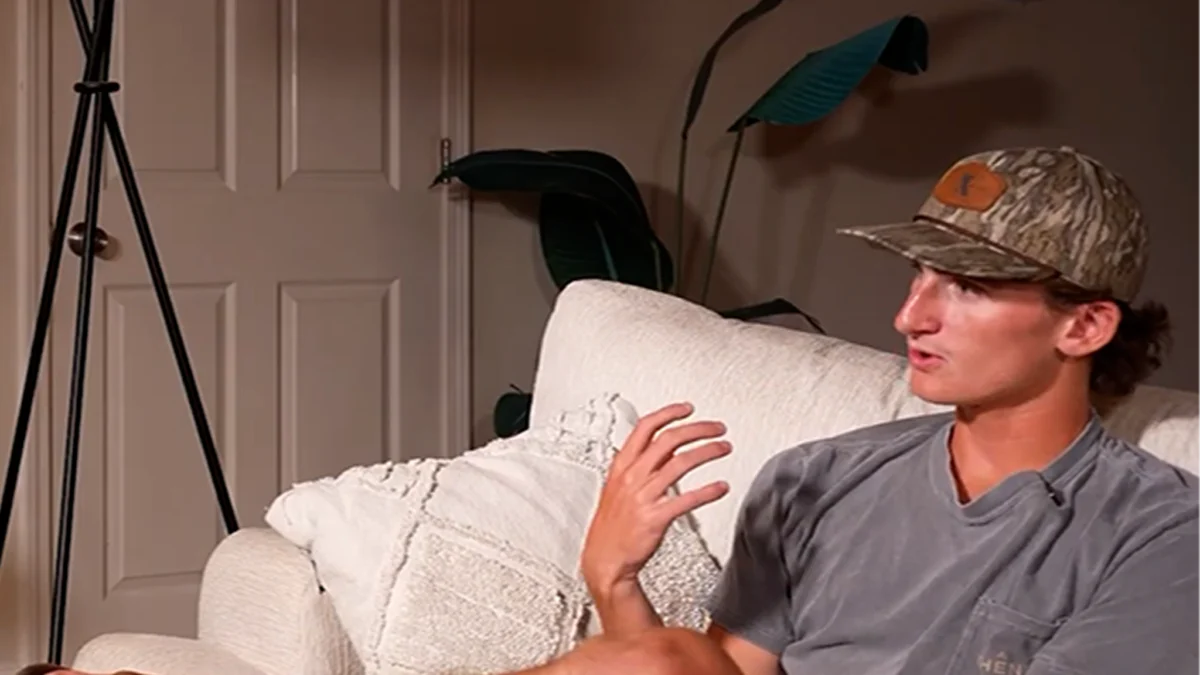
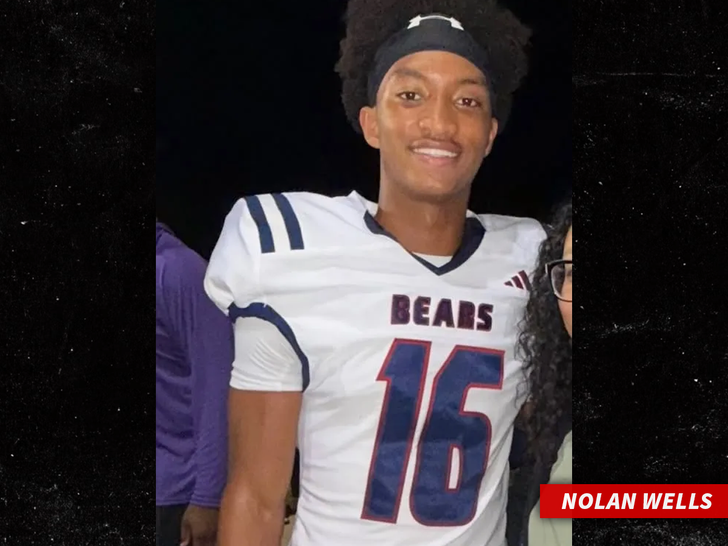
Warren Hudson, the best friend of the late Nolan Wells, has offered a candid account of the hours following Wells’ disappearance, revealing his initial belief that his friend had merely succumbed to intoxication and passed out on a couch, rather than being in distress. This perspective, shared during an interview on "The Officer Tatum Show" on July 25, 2026, casts new light on the critical early moments of a case that has since evolved into a contentious public debate, with Wells’ family and their attorney, Ben Crump, fiercely disputing the official finding of drowning.
Hudson’s recent statements provide a window into the confusion and differing levels of concern among Wells’ inner circle during the crucial period before his body was discovered. His narrative underscores the complexities of situations involving alcohol, group dynamics, and the challenges of recognizing when a casual assumption might mask a more serious underlying issue. The interview also delved into Hudson’s reasons for missing Wells’ funeral, citing death threats, and his assertion that he and others had implored Wells to leave Horn Island with them just hours before he vanished. These revelations add further layers to an already intricate timeline of events surrounding Wells’ tragic demise, intensifying scrutiny on the official investigation and the circumstances leading up to his death.
The Disappearance: A Night of Growing Concern
The sequence of events recounted by Warren Hudson began in the early hours of July 5, 2026, following a trip to Horn Island. Wells, Hudson, and other friends had returned from the island, an excursion that concluded with Wells reportedly becoming significantly intoxicated. While the exact details of their return and subsequent activities remain subject to various interpretations, Hudson’s account suggests a relaxed, albeit inebriated, atmosphere among some members of the group.
According to Hudson, the initial alarm bells began to ring around 12:30 AM on July 5. A mutual friend, who had also returned from Horn Island with Hudson, received an agitated phone call. The content of this call, while not fully detailed by Hudson, was clearly concerning enough to prompt an immediate reaction from the caller. This phone call marked the true beginning of the search for Nolan Wells, transitioning from a casual assumption of his whereabouts to a more urgent inquiry.
Approximately 30 minutes later, around 1:00 AM, the situation escalated dramatically. Hudson described a group of roughly ten individuals forcefully entering the house where he and others were staying. Their demeanor was described as "freaking out," signaling a profound level of distress and concern over Wells’ unexplained absence. Among this group was an individual Hudson recognized from high school. Hudson recounted stepping outside with this acquaintance, who shared a sentiment that Hudson initially echoed: "he thought Nolan had probably just crashed on someone’s couch."
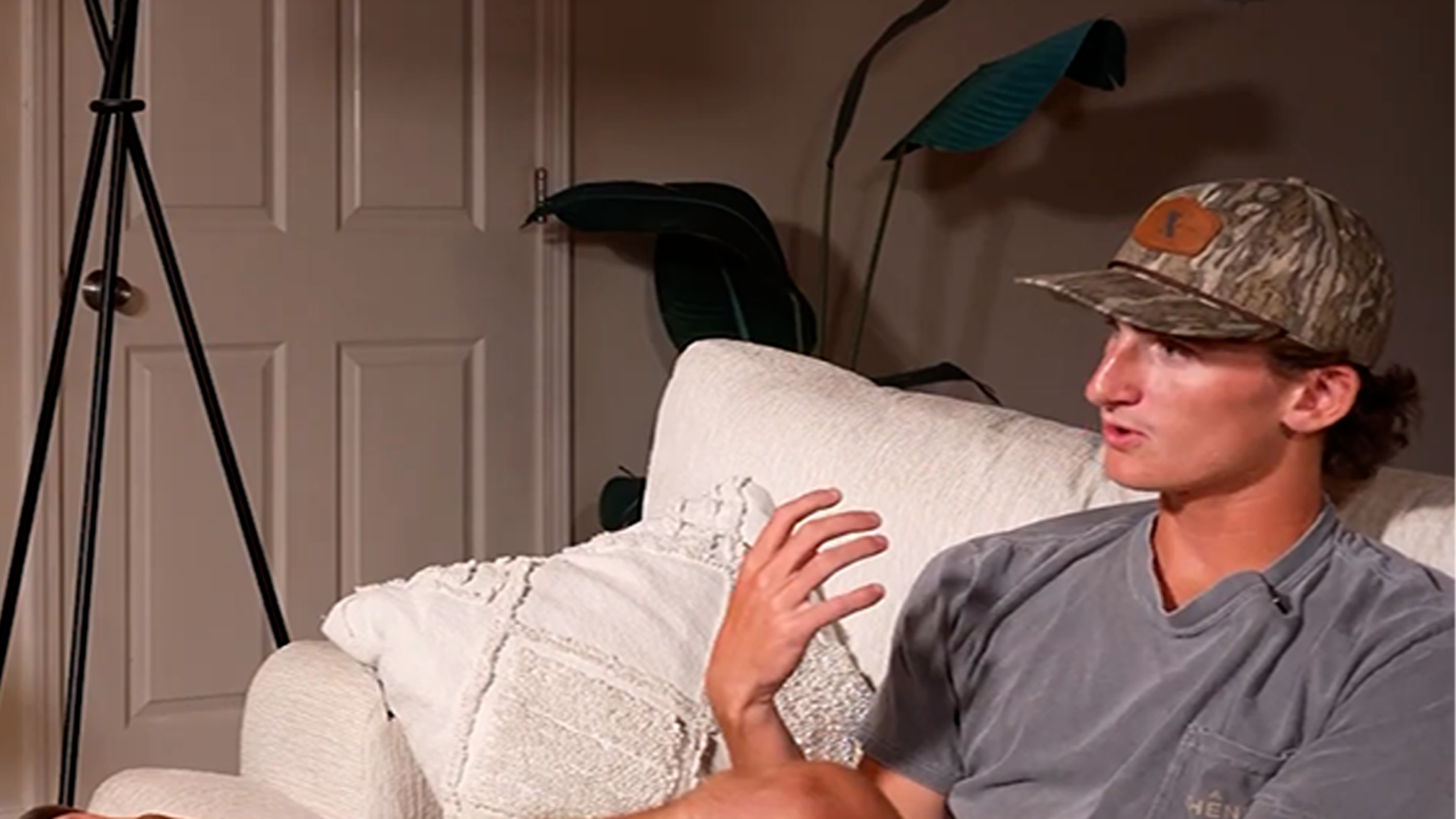
This shared assumption, as articulated by Hudson, stemmed from Wells’ state of intoxication. In many social circles, particularly among young adults, it is not uncommon for someone who has consumed a large amount of alcohol to fall asleep at a friend’s residence. Hudson stated, "Warren notes Nolan had gotten intoxicated… so he figured Nolan was just sleeping it off somewhere." This casual dismissal, however, stood in stark contrast to the palpable panic exhibited by the arriving group, highlighting a significant divergence in initial reactions and perceived urgency. Hudson also noted that one member of the group, described as a "mom," specifically requested Nolan’s phone, indicating an attempt to locate him or understand his last known activities through his personal device. This detail suggests a more methodical approach to the search, even amidst the evident panic.
A Timeline of Tragedy and Disagreement
The disappearance of Nolan Wells initiated a rapid and ultimately tragic sequence of events that captured public attention and sparked a fierce debate over the official narrative.
July 4, 2026 (Evening): Nolan Wells, Warren Hudson, and other friends conclude a trip to Horn Island. Wells is noted to be heavily intoxicated. Hudson claims he and his friends urged Wells to leave the island with them, but Wells declined. The exact timing of Wells’ last confirmed sighting remains a point of contention and further investigation.
July 5, 2026 (Early Morning):
- ~12:30 AM: A friend receives an agitated phone call regarding Wells’ disappearance.
- ~1:00 AM: A group of approximately ten individuals, visibly distraught, arrives at the residence where Hudson is staying, seeking information about Wells and requesting his phone. Hudson and a high school acquaintance initially suggest Wells is likely "sleeping it off" on someone’s couch due to his intoxication.
- Daylight Hours: As Wells remains uncontactable and unlocated, the alarm grows. Formal reports are likely filed with local law enforcement, initiating an official search. Search and rescue operations would typically commence, involving local police, possibly the Coast Guard given the proximity to Horn Island and water, and volunteer efforts from friends and family.
July 6, 2026: The search for Nolan Wells intensifies. Public awareness campaigns, likely through social media and local news outlets, are initiated, appealing for information on his whereabouts. The family’s distress becomes increasingly public as each hour passes without a trace.
July 7, 2026: Nolan Wells’ body is discovered. The exact location and circumstances of the discovery are crucial to the ongoing investigation. Authorities officially pronounce the cause of death as drowning. This official determination, while providing a preliminary conclusion, immediately sparks controversy.
July 8 – July 21, 2026: The Wells family, represented by prominent civil rights attorney Ben Crump, publicly expresses vehement disagreement with the official drowning narrative. They likely cite concerns regarding the thoroughness of the investigation, potential foul play, or discrepancies in evidence. Given Crump’s involvement, it signals a strong belief that the case may involve elements beyond a simple accident, often implying issues of justice, accountability, or systemic failures. The family announces plans for an independent autopsy to challenge the official findings.
July 22, 2026: Attorney Ben Crump publicly announces the preliminary results of the independent autopsy. While the specific findings are not detailed in the provided article, the very act of commissioning and announcing an independent autopsy suggests that the findings diverge significantly from, or at least raise serious questions about, the official report. This move amplifies the call for a more comprehensive investigation and accountability.
July 23, 2026: Reports emerge from Warren Hudson’s interview stating that he and other friends had "begged Nolan to leave Horn Island" with them before his disappearance. This detail adds a layer of pathos and potential regret to the narrative, suggesting that Wells might have disregarded warnings or advice from his companions.
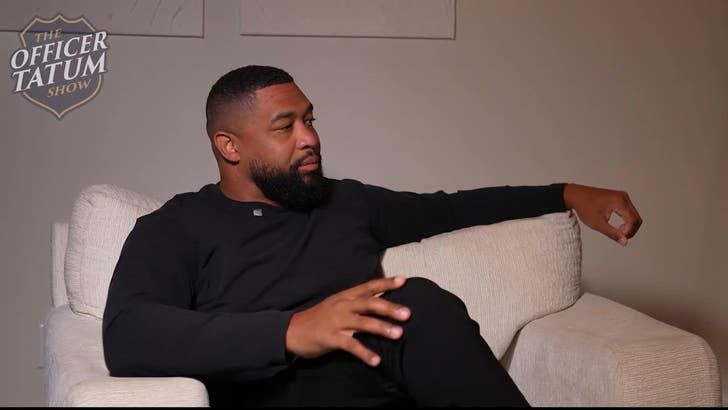
July 25, 2026: Warren Hudson’s interview on "The Officer Tatum Show" is released, where he makes several key revelations:
- His initial belief that Wells was merely "sleeping it off."
- His explanation for missing Wells’ funeral, citing death threats.
- The specifics of the agitated phone call and the "freaking out" group’s arrival.
This interview provides a firsthand account from a key figure, offering insight into the immediate aftermath of Wells’ disappearance and the varied reactions of those present.
Warren Hudson’s Revelations and Their Implications
Warren Hudson’s interview with Brandon Tatum on "The Officer Tatum Show" has served as a pivotal moment in the public discourse surrounding Nolan Wells’ death. Brandon Tatum, a former police officer and vocal commentator, hosts a platform known for its discussions on current events, law enforcement, and often controversial social issues. The choice of this platform for Hudson’s disclosures suggests an intent to reach a particular audience and potentially shape the narrative amidst the ongoing dispute.
One of Hudson’s most striking revelations was his explanation for his absence from Nolan Wells’ funeral. He claimed to have received "death threats," which prevented him from attending. This detail is deeply concerning, suggesting a highly charged emotional atmosphere surrounding Wells’ death and potentially widespread public anger or suspicion directed at individuals close to the events. While the source or nature of these threats is not specified, their existence implies a segment of the public believes Hudson or others involved bear some responsibility, or at least have information they are withholding. This creates an environment of fear and distrust, complicating any efforts towards a unified understanding of what transpired. The fact that a close friend felt compelled to miss such a significant event due to safety concerns underscores the intense public scrutiny and emotional volatility surrounding the case.
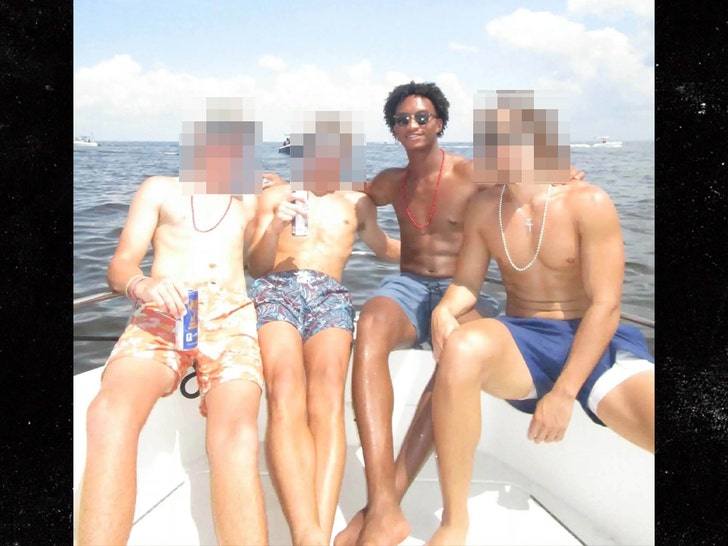
Furthermore, Hudson reiterated his assertion that he and his friends had "begged Nolan to leave Horn Island" with them. This statement, previously reported, takes on greater weight when delivered directly by Hudson. It implies a perceived danger or an undesirable situation that prompted the friends to urge Wells to depart. Was Wells in an argument? Was he too intoxicated to safely travel? Did he simply wish to prolong his stay for reasons unknown? This detail introduces a crucial unanswered question: why did Wells refuse to leave with his friends, and what happened between their departure and his disappearance? Hudson’s account positions him and his companions as having attempted to ensure Wells’ safety, potentially mitigating any accusations of negligence on their part. However, it also highlights Wells’ independent decision-making in a state of intoxication, which may have contributed to his vulnerability.
The contrast between Hudson’s initial casual dismissal of Wells’ disappearance and the "freaking out" group’s frantic search is also significant. This disparity suggests either a lack of communication, differing perceptions of Wells’ typical behavior when intoxicated, or varying levels of awareness regarding his overall well-being. While Hudson’s assumption that Wells was "sleeping it off" might be relatable to many, the immediate and intense panic of others indicates that, for some, Wells’ absence was immediately alarming and out of character, even considering his inebriation. This divergence could be a key area for investigators seeking to reconstruct the events of that night, as it points to different understandings of the situation among those present.
Official Responses and the Quest for Truth
The official determination by authorities that Nolan Wells’ death was due to drowning has been met with considerable resistance and public skepticism, particularly from his family and their legal representative. Typically, such a finding would result from a coroner’s or medical examiner’s report, supported by forensic evidence, witness statements, and a review of the circumstances surrounding the body’s discovery. It suggests that there were no immediate signs of foul play, trauma inconsistent with drowning, or other indicators that would point to a criminal act.
However, the involvement of Ben Crump, a high-profile civil rights attorney renowned for taking on cases involving suspicious deaths and alleged injustices, immediately signals the family’s profound distrust of the official narrative. Crump’s past cases often involve accusations of inadequate investigations, systemic bias, or cover-ups, particularly in instances where the official explanation is deemed insufficient or contradictory by the family. His presence transforms the case from a tragic accident into a potential fight for justice and transparency.
The family’s "vehement disagreement" with the official drowning narrative implies that they possess information, observations, or suspicions that challenge the simplicity of an accidental drowning. This could include:
- Witness accounts: Information from individuals who saw Wells last or observed unusual behavior.
- Physical evidence: Discrepancies at the scene where the body was found, or injuries on Wells’ body that are not easily explained by drowning.
- Lack of transparency: Concerns about how the investigation was conducted, potential overlooked evidence, or perceived biases.
- Circumstantial evidence: Details about Wells’ character, swimming ability, or the environment that make accidental drowning seem improbable.
The decision to commission an independent autopsy, publicly announced by Crump, is a powerful move designed to challenge official findings. Independent autopsies are typically performed by forensic pathologists hired by the family to conduct a separate examination of the body and review all available medical and investigative reports. The goal is to either confirm or refute the official cause and manner of death, potentially uncovering details that were missed or misinterpreted in the initial examination. While the specific findings of Wells’ independent autopsy have not been publicly detailed in this article, the very act of seeking one underscores the family’s conviction that the truth of Nolan’s death lies beyond the initial conclusion of drowning. Should the independent autopsy reveal findings inconsistent with drowning, or point to evidence of struggle or other injuries, it would exert immense pressure on authorities to reopen the investigation, conduct further forensic analysis, and potentially pursue criminal charges.
Broader Impact and Implications
The death of Nolan Wells and the subsequent controversy have resonated deeply within the community and across broader social media platforms. The case has become a focal point for discussions about accountability, the reliability of official investigations, and the profound impact of tragic loss on families and friends.
The public reaction has been swift and varied. On one hand, there is widespread sympathy for the Wells family, who are grappling with the loss of their loved one and simultaneously fighting for what they believe is the true account of his death. The involvement of Ben Crump often galvanizes public support for the family’s cause, drawing attention from national media and advocacy groups. This public outcry can exert significant pressure on law enforcement and judicial systems to ensure thoroughness and transparency in their investigations.
On the other hand, the conflicting narratives can lead to a polarized environment. Warren Hudson’s revelation of receiving death threats exemplifies this. In the absence of definitive answers, speculation and blame can proliferate, often fueled by social media, leading to premature judgments and potentially unjust accusations against individuals involved. This creates an incredibly challenging environment for everyone connected to the case, from the grieving family to the friends who were present that night, and the investigators tasked with uncovering the truth.
The Nolan Wells case also highlights critical challenges inherent in complex investigations:
- Witness Reliability: Accounts from intoxicated individuals or those under emotional distress can be inconsistent or incomplete, making it difficult to reconstruct events accurately.
- Initial Assumptions: As demonstrated by Hudson’s initial dismissal, early assumptions can sometimes hinder the immediate recognition of a crisis, losing critical time for intervention or evidence collection.
- Public Trust: When families vehemently disagree with official findings, it erodes public trust in institutions, emphasizing the need for transparent processes and clear communication from authorities.
The ongoing quest for answers for the Wells family extends beyond merely determining the cause of death. It is about understanding the full circumstances, ensuring justice if foul play is indeed involved, and ultimately finding peace amidst their profound grief. The independent autopsy results, when fully disclosed and analyzed, will be a critical juncture in this pursuit. Should they contradict the official drowning verdict, the case could escalate significantly, potentially leading to further criminal investigations, grand jury proceedings, or even civil litigation. The tragic death of Nolan Wells thus remains not just a local tragedy, but a potent symbol of the enduring struggle for truth and accountability in the face of unanswered questions.

0 Comments