
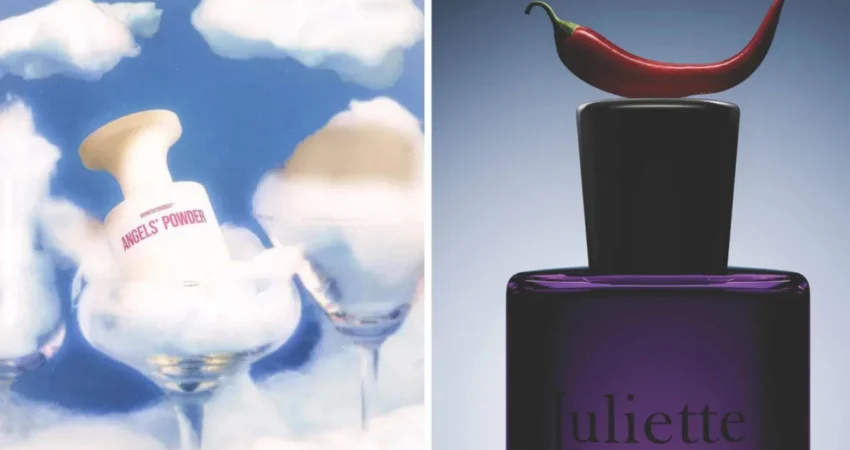
The global fragrance industry is witnessing a radical departure from traditional olfactory structures as the Autumn 2026 season approaches, shifting away from the ubiquitous woody accords and sweet florals that have historically dominated the market. This transition marks the end of a summer season characterized by the "regressive solar" trend—most notably the unexpected reign of banana-based scents—and the beginning of an era defined by what industry insiders call "Industrial and Domestic Realism." Leading perfumers are now looking toward the pantry and the vanity cabinet for inspiration, integrating notes of rice steam, nail polish, red chili, and vanilla liqueur into high-end compositions. These developments reflect a broader movement within the niche perfume sector, where the objective is no longer merely to provide a pleasant aroma but to provoke a sensory reaction through the use of eccentric and improbable chemical profiles.
The Seasonal Transition: From Tropical Fruits to Synthetic Chic
As the third quarter of 2026 progresses, the consumer appetite for tropical and "vacation-coded" scents has diminished. The previous months were dominated by fruity, solar fragrances that utilized synthetic banana and coconut notes to evoke nostalgia. However, as the temperature drops, the industry is pivoting toward more complex, textured, and sometimes jarring olfactory profiles. This shift is led by niche houses such as Borntostandout and Juliette Has a Gun, which are prioritizing "olfactory shocks" over conventional beauty.

Market data from the first half of 2026 suggests that consumers are increasingly seeking "signature scents" that deviate from the mainstream mass-market bestsellers. The growth of the niche fragrance segment, which is projected to expand at a compound annual growth rate (CAGR) of 8.5% through 2030, is driven by a demographic that values transparency in ingredients and novelty in composition. The Autumn 2026 collections represent a peak in this trajectory, utilizing notes that were once considered undesirable or purely industrial.
Industrial Notes: The Case of the Nail Polish Accord
One of the most provocative entries in the autumn lineup is Angels’ Powder Eau de Parfum by the South Korean house Borntostandout. Created by perfumer Anne-Sophie Behaghel, this fragrance takes the pungent, chemical scent of nail polish—a smell traditionally associated with ventilation needs—and recontextualizes it as a luxury note.
The composition opens with a sharp, synthetic nail polish accord, immediately supported by the piquant brightness of pink pepper. This initial "industrial" shock is designed to be fleeting, transitioning into a gourmand heart of icing sugar, cotton candy, and raspberry. The base notes of guaiac wood, heliotrope, and white musks provide a stabilizing, creamy finish. Analysts suggest that the success of such scents lies in their "regressive" nature; they tap into specific, often childhood-related sensory memories that are more visceral than standard floral bouquets. At a retail price of 195 euros, Angels’ Powder is positioned as a prestige product that challenges the boundaries of wearable art.

The Culinary Influence: Chili and Shiso as Structural Elements
The influence of the kitchen on the 2026 fragrance season extends beyond the "gourmand" category of sweets and desserts. Instead, perfumers are utilizing savory and spicy botanical elements to provide "electricity" to their compositions.
Juliette Has a Gun, under the creative direction of Romano Ricci, is set to release Purple Trouble on September 24, 2026. This fragrance subverts the typical fruity-floral category by pairing a juicy, textured wild blackberry with a sharp red chili accord. The heat of the chili is not intended to be overwhelming but rather to provide a "vibrant and sharp" relief to the fruit, similar to the application of a bold red lipstick. The scent is anchored by ambroxan and musk, creating a carnal, skin-like finish that is expected to perform well in the cooler, grayer days of autumn.
Simultaneously, Jil Sander is introducing Shiso Eau de Parfum as part of its new collection. Shiso, a staple herb in Japanese cuisine known for its minty, spicy, and slightly metallic facets, serves as the centerpiece. This fragrance targets the "botanical-minimalist" consumer, combining the shiso leaf with juniper berries, aldehydes, and upcycled lime zest. The inclusion of Australian sandalwood provides a serene, grounding base. This trend toward "savory botanicals" reflects a growing consumer interest in scents that feel "green" but lack the traditional sweetness of crushed grass or leaves.

The Rise of Comfort Grains: Rice Steam and Cereal Accords
In contrast to the sharp, spicy notes of chili and shiso, a secondary autumn trend focuses on "comforting textures," specifically the scent of steamed rice. The Swedish firm L:A Bruket has tapped into this with 335 Dísir Eau de Parfum, a fragrance inspired by Scandinavian folklore and the poetic change of seasons.
The technical challenge of capturing "rice steam" involves balancing starchy, powdery, and lactonic (milky) notes. 335 Dísir begins with a fresh, resinous opening of juniper and pine, evoking a Nordic forest. However, the heart of the fragrance features an incense and rice accord that creates a creamy, "cereal-like" texture. Priced at 110 euros for 50ml, the fragrance is an example of how "clean" scents are evolving from soapy, citrus profiles to more organic, grain-based comfort scents. This movement toward "starchy" notes is seen by psychologists as a post-pandemic lingering effect, where consumers continue to seek scents that provide a sense of safety and domestic tranquility.
High-Octane Sophistication: Vanilla Liqueur and Opulent Gourmands
While traditional vanilla has always been a staple of autumn perfumery, 2026 sees the emergence of "boozy" or "liquorous" vanilla. Byredo’s Future Memories Eau de Parfum is at the forefront of this trend. Eschewing the simple sweetness of vanillin, the fragrance utilizes a triple-threat of vanilla notes, including a specific vanilla liqueur accord and Madagascar vanilla pods.

The fragrance structure is complex:
- Top Notes: Blackcurrant, aldehydes, and galbanum.
- Heart Notes: Iris butter and orange blossom.
- Base Notes: Vanilla liqueur, Madagascar vanilla, and hypnotic musks.
This composition represents the "New Gourmand" movement, where sweetness is tempered by bitterness (blackcurrant) and powderiness (iris). Byredo’s founder, Ben Gorham, has frequently emphasized the importance of "olfactory memory," and Future Memories is marketed as a scent designed to leave a long-lasting, hypnotic trail. With a price point of up to 245 euros for 100ml, it targets the high-end luxury market that demands both longevity and complexity.
Market Analysis and Industry Implications
The shift toward unconventional notes in 2026 is supported by significant changes in the global supply chain and fragrance technology. The use of "upcycled" ingredients—such as the lime zest in Jil Sander’s Shiso—is a response to increasing regulatory pressure and consumer demand for sustainability. Furthermore, the development of new captive molecules by major fragrance houses like IFF, Givaudan, and Firmenich has allowed perfumers to replicate specific "impossible" smells, such as rice steam or metallic nail polish, with greater precision than ever before.

According to a report by Global Industry Analysts Inc., the "Niche and Artisanal" fragrance sector is the fastest-growing segment of the beauty industry. Consumers, particularly Gen Z and Millennials, are moving away from "celebrity scents" and toward "concept scents." This has forced heritage brands to innovate or risk losing market share to agile, story-driven niche houses.
The implications for the retail sector are also notable. High-end boutiques and department stores are increasingly dedicating space to "discovery sets" and "olfactory installations" that allow customers to experience these complex notes in a controlled environment. The "Kitchen and Bathroom" trend is expected to influence not just personal fragrances but also the home scenting market, with candles and diffusers following suit with savory and industrial profiles.
Expert Reactions and Consumer Psychology
Fragrance experts suggest that the move toward "strange" scents is a reaction to the oversaturation of the "clean girl" aesthetic that dominated 2024 and 2025. "We are seeing a return to character," says one industry analyst. "After years of scents that smelled like laundry or skin, people want to smell like something specific, even if that something is a bit polarizing, like a spicy pepper or a synthetic varnish."

The psychological impact of these scents is also being studied. "Rice and grain notes trigger a sense of satiety and calm," notes a sensory researcher. "Conversely, notes like chili and nail polish act as stimulants, increasing heart rate and alertness. Perfumers in 2026 are essentially acting as sensory pharmacists, blending ingredients to manage the wearer’s mood as they transition from the leisure of summer to the productivity of autumn."
As September continues, these fragrances are set to redefine the "scent of the season." While they may not replace the classics for every consumer, their presence in the market signals a new era of creative freedom in perfumery, where the boundary between the edible, the industrial, and the wearable continues to blur.

0 Comments