
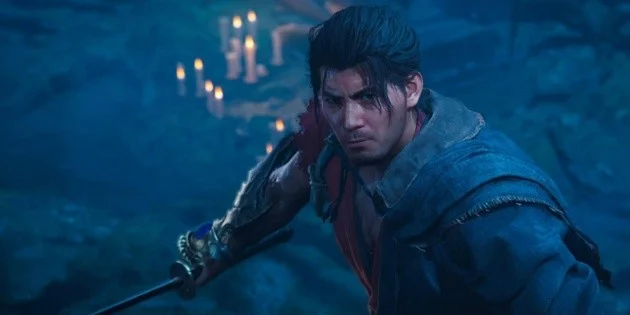
The gaming world witnessed a significant revival on September 4th with the highly anticipated market release of "Onimusha: Way of the Sword," the fifth main installment in Capcom’s esteemed "Onimusha" franchise. This latest title marks a distinct departure from the established mechanical precedents of its predecessors, instead forging a path centered on a completely revamped combat system, a narrative richly interwoven with Japanese folklore, and a gameplay experience characterized by both spectacular execution and demanding skill. The launch of "Way of the Sword" is not merely the arrival of a new game but represents a strategic re-imagining of a beloved intellectual property, poised to captivate both long-time fans and a new generation of players.
A Legacy Reborn: The Onimusha Saga
The "Onimusha" saga commenced its journey in 2001 on the PlayStation 2, quickly establishing itself as a unique fusion of the survival horror mechanics popularized by Capcom’s flagship "Resident Evil" series and the visceral action of samurai combat. Set against a backdrop of feudal Japan, replete with samurai warriors, powerful feudal lords, and menacing demons drawn from Japanese mythology, the original "Onimusha: Warlords" rapidly garnered critical acclaim and a devoted global following. Its innovative blend of fixed camera angles, resource management, and real-time hack-and-slash combat offered a fresh perspective on action-adventure gaming. The premise, often involving a lone warrior imbued with Oni (demon) power battling hordes of supernatural foes, resonated deeply with players seeking a compelling narrative alongside engaging gameplay.
Following its groundbreaking debut, the franchise saw a succession of highly regarded titles. "Onimusha 2: Samurai’s Destiny" (2002) expanded the roster of playable characters and introduced a more intricate gift-giving system that influenced relationships and story branches. "Onimusha 3: Demon Siege" (2004) took an ambitious leap, introducing time travel and featuring French actor Jean Reno alongside series protagonist Samanosuke Akechi, blending historical Japanese settings with modern-day Paris. The fourth main entry, "Onimusha: Dawn of Dreams" (2006), further evolved the combat system and introduced a more open-ended structure, marking the last new main installment for over a decade.
Despite its initial success and consistent quality, the "Onimusha" series entered a prolonged hiatus after "Dawn of Dreams." However, Capcom signaled renewed interest in the franchise with the release of "Onimusha: Warlords Remastered" in January 2019. This remaster, which brought the original game to modern platforms with enhanced graphics and quality-of-life improvements, was widely seen as a litmus test for the series’ enduring appeal and a potential precursor to new developments. The positive reception to the remaster evidently laid the groundwork for the ambitious undertaking of "Onimusha: Way of the Sword," signaling Capcom’s confidence in the franchise’s capacity for a grand return.
"Way of the Sword": A New Direction for Combat
"Onimusha: Way of the Sword" distinguishes itself immediately through a radical overhaul of its core mechanics, moving away from the more traditional third-person action paradigms often associated with the series. While previous titles blended exploration with combat, this new installment places an uncompromising emphasis on a deeply focused combat dynamic. The developers have meticulously crafted a system that demands mastery over special defensive and offensive movements, alongside a high degree of precision and dexterity with the controller. This shift is not merely cosmetic; it fundamentally redefines the player’s engagement with the game, transforming each encounter into a calculated dance of aggression and evasion. This emphasis on player skill and precise execution positions "Way of the Sword" as potentially one of the most rewarding gameplay experiences in the entire saga, appealing to players who seek a true challenge and derive satisfaction from mastering intricate systems.
The decision to pivot towards a more demanding and nuanced combat system aligns with a broader trend in the action-adventure genre, where games often feature "Souls-like" elements that prioritize careful timing, pattern recognition, and punishing difficulty. While "Onimusha" has always had challenging elements, "Way of the Sword" appears to elevate this to a central design philosophy, distinguishing it from its more hack-and-slash oriented predecessors. This strategic evolution by Capcom demonstrates a willingness to innovate within established franchises, ensuring they remain relevant and exciting in a constantly evolving gaming landscape.
Mastering the Blade: Deep Mechanics and Strategic Encounters
The combat mechanics in "Onimusha: Way of the Sword" are engineered to compel players to adapt their strategies to each unique adversary. The game provides a rich arsenal of tactical possibilities, ensuring that players are not merely mashing buttons but engaging in thoughtful preparation and execution. Core attributes such as health and weapon damage can be progressively enhanced, offering a clear sense of character growth. Furthermore, the strategic equipping of various amulets allows for customization that can significantly alter combat effectiveness, providing buffs or resistances tailored to specific challenges.
Central to the franchise’s identity, the emblematic Oni Gauntlet makes its triumphant return. This mystical artifact, which grants the wielder devastating demonic powers, is not merely a narrative device but a crucial gameplay element. Its progression and strategic deployment are vital for overcoming the most formidable foes, serving as a powerful "ace in the hole" when the tide of battle turns dire. The management of these powers, often tied to a resource system, adds another layer of tactical depth, forcing players to decide when to unleash their full potential.
However, the true tests of skill and strategy in "Way of the Sword" are the boss battles. Each boss is meticulously designed, boasting unique mechanics and an imposing aesthetic that makes every face-off a memorable and enormously satisfying learning experience. Unlike standard enemies, bosses require players to decipher attack patterns, identify vulnerabilities, and execute precise counter-strategies. This iterative process of observation, failure, and eventual triumph against these colossal adversaries forms the emotional and mechanical backbone of the game’s challenge, echoing the rewarding difficulty found in other critically acclaimed action titles. The variety in boss design, from agile samurai generals to grotesque demons, ensures that players are constantly presented with fresh tactical puzzles to solve, preventing combat from becoming repetitive.
Immersive World: Folklore, History, and Visual Splendor
At both narrative and design levels, "Onimusha: Way of the Sword" shines brightly through its profound immersion in Japanese culture and history. The game meticulously recreates emblematic locations, particularly those found within the majestic city of Kyoto, once the imperial capital of Japan. Iconic sites such as the Kiyomizu-dera temple, a UNESCO World Heritage site renowned for its wooden stage offering panoramic views, are brought to life with exquisite detail. This architectural fidelity is not merely cosmetic; it serves as a backdrop for a narrative richly embellished with tales of local legends, historical events, and mythological figures from Japan’s vast cultural tapestry. For enthusiasts of Japanese history and folklore, the game offers an unparalleled virtual journey into a bygone era, allowing players to explore sacred grounds and ancient battlefields steeped in legend.
The protagonist establishes their primary base of operations within Kyoto, a central hub from which they can access a myriad of secondary missions. These missions are crucial for character progression, allowing players to hone their skills, acquire new equipment, and delve deeper into the game’s sprawling lore. The intricate web of main and side quests ensures that players are constantly engaged, whether they are advancing the overarching plot or uncovering the hidden secrets of feudal Japan. The game’s commitment to historical and cultural accuracy, blended seamlessly with its fantastical elements, creates a compelling and believable world that is both captivating and educational.
Visually, "Onimusha: Way of the Sword" boasts detailed and colorful graphics that not only highlight the artistic direction but also effectively complement the unfolding narrative. The vibrant color palette and intricate environmental design enhance the sense of immersion, drawing players deeper into its feudal Japanese setting. From the intricate carvings of temples to the lush landscapes of rural Japan, every scene is rendered with a painterly quality that underscores the game’s artistic ambition. While the original article describes the soundtrack as "complacent and discreet," this often implies an atmospheric score that subtly enhances the mood and tension rather than overtly dominating the player’s experience. Such an approach can be highly effective in fostering immersion, allowing the visual and narrative elements to take center stage while providing a rich, understated auditory backdrop.
Balancing Accessibility and Challenge
Despite its demanding combat system and notoriously complex boss encounters, "Onimusha: Way of the Sword" appears to strike a delicate balance, offering a difficulty curve that, in some aspects, is more accessible than one might expect from a game focusing on "exigent" mechanics. This nuance in difficulty design suggests an intentional effort by Capcom to broaden the game’s appeal beyond the most hardcore action game aficionados. While the core combat loop requires precision and mastery, certain elements, such as the initial enemy variety or overall enemy health pools outside of boss fights, might be tuned to allow more players to progress and engage with the rich narrative and world.
This approach is a strategic move in the modern gaming market, where overly punishing difficulty can sometimes deter a wider audience. By making the journey to the next major challenge more approachable, the game can draw players in, allowing them to appreciate the narrative and world-building before presenting them with the formidable, skill-testing boss battles that truly define the game’s demanding nature. The contrast between a more manageable general difficulty and the immense complexity of the end-of-stage bosses creates a dynamic progression curve, providing satisfying spikes in challenge that reward dedicated practice and strategic thinking. This design philosophy aims to cultivate a sense of accomplishment without alienating players too early in their adventure.
The Road Ahead: Capcom’s Strategy and Future Prospects
The release of "Onimusha: Way of the Sword" is a significant event within Capcom’s broader strategic landscape. In recent years, the Japanese publisher has experienced a remarkable resurgence, largely driven by the critical and commercial success of its revitalized franchises, including the "Resident Evil" remakes, the "Monster Hunter" series, and the highly acclaimed "Street Fighter 6." This success has demonstrated Capcom’s prowess in modernizing beloved IPs while retaining their core identity.
The decision to launch a new "Onimusha" game, especially one that takes bold steps in its mechanical design, indicates a strong confidence in the viability of dormant franchises. It suggests that Capcom is not merely relying on remasters but is actively investing in expanding and evolving its classic portfolio. Should "Way of the Sword" achieve commercial and critical success, it could pave the way for further installments in the "Onimusha" series, potentially establishing a new trajectory for the franchise. It also sends a clear signal to fans of other classic Capcom titles, hinting at the possibility of their own long-awaited revivals.
Analysts will be closely monitoring the game’s performance, as its reception could influence future development decisions regarding other legacy titles. The game’s approximate duration, ranging between 20 and 30 hours, suggests a substantial single-player experience, offering significant value to players. This runtime, combined with the depth of its combat and narrative, reinforces the idea that "Way of the Sword" is a complete and thoroughly crafted package designed to leave a lasting impression.
In conclusion, "Onimusha: Way of the Sword" stands as a commendable achievement in every sense, particularly in its successful creation of one of the most satisfying and comprehensive combat experiences seen in the video game world in recent years. By blending a rich tapestry of Japanese folklore with innovative gameplay mechanics and a stunning visual presentation, Capcom has not only resurrected a classic franchise but has also redefined its potential, setting a new benchmark for action-adventure games that prioritize skill, strategy, and cultural immersion. Its launch marks a pivotal moment for the series and for Capcom’s ongoing strategy of reimagining its celebrated legacy for contemporary audiences.

0 Comments