
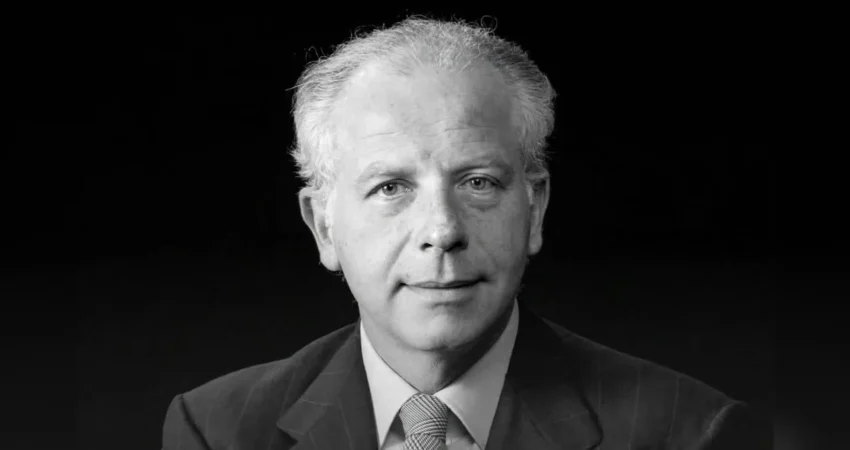
The world of high jewelry is in mourning following the passing of Paolo Bulgari, the esteemed historical president of the renowned Italian firm Bvlgari, and grandson of its founder. He died in Rome on Saturday, November 21st, at the age of 89. His family, in a poignant tribute, remembered him as "the greatest jeweler of our times," a testament to his profound impact on the industry and his unwavering dedication to his craft. The funeral service is scheduled to take place on Monday, November 23rd, at the Basilica di Santa Croce in Gerusalemme in Rome, marking a solemn farewell to a titan of luxury.
Born in Rome on October 8, 1937, Paolo Bulgari belonged to the third generation of the family that established the iconic Bvlgari brand. His journey began in 1960 when he joined the family business under the guidance of his father, Giorgio. From the outset, Paolo distinguished himself through his profound understanding of precious stones, a field in which he became one of the world’s foremost experts. His artistic sensibility was instrumental in defining the signature Bvlgari style: a bold fusion of intensely colored gemstones, vibrant yellow gold, distinctive cabochon cuts, and a deep-seated appreciation for the artistry of ancient Greece and Rome, often incorporated through the ingenious use of antique coins in his creations. This unique design philosophy not only set Bvlgari apart but also captivated a global clientele.
The genesis of the Bulgari dynasty dates back to 1884 when Paolo’s grandfather, Sotirio Bulgari, a skilled silversmith from Epirus, Greece, opened a modest silver workshop in the heart of Rome. This humble beginning laid the foundation for what would evolve into one of the most globally recognized luxury houses. Paolo’s entry into the business marked a pivotal moment, propelling the brand into new realms of innovation and international acclaim. He often espoused a philosophy of boundless creativity, famously stating, "Everything can be a source of inspiration. There are no rules in creativity. Never." This mantra guided his approach, encouraging a constant exploration of new aesthetic frontiers.
Alongside his brothers, Gianni and Nicola, Paolo spearheaded the ambitious international expansion of the Bvlgari brand. During the 1970s and 1980s, Bvlgari strategically opened boutiques in key global luxury capitals, including New York, Paris, Geneva, and Monte Carlo. This period of aggressive growth solidified Bvlgari’s presence on the world stage. In 1984, a significant year that also marked the company’s centenary, Paolo assumed the presidency of the group. Under his leadership, Bvlgari, which famously spells its name with a Latin ‘V’ instead of a ‘U’ as a nod to its Roman heritage, further diversified its offerings. The brand successfully ventured into the domains of watchmaking, perfumery, and accessories, broadening its appeal and reach.
Bvlgari’s exquisite creations became synonymous with glamour and sophistication, adorning some of the most iconic figures of the 20th century. Elizabeth Taylor, a devoted client and close friend, was among its most celebrated patrons. The brand also garnered favor with numerous aristocratic families and European royal houses, underscoring its status as a purveyor of unparalleled luxury. In 2011, Bvlgari embarked on a new chapter when it became part of the French luxury conglomerate LVMH, though the Bulgari name and its legacy remained intrinsically linked to the brand’s identity and continued success.
Beyond the glittering world of haute joaillerie, Paolo Bulgari also cultivated a rich personal life, deeply connected to Spain. For over three decades, he shared his life with Maite Carpio, a journalist, screenwriter, and documentarian from Madrid. Together, they raised two daughters, Carlotta and Marina. Their love story began serendipitously when Carpio, stepping in for a colleague, was assigned to interview the renowned jeweler for a television program. A subsequent encounter in London two years later rekindled their connection, leading to a lifelong partnership built on shared passions for cinema, contemporary art, and music. The couple established their home in Rome, and in 2019, they celebrated their silver wedding anniversary with a lavish party in Marrakech, a city with which they shared a special bond and where they owned a riad adjacent to the historic Dar El Bacha palace.
In his later years, Paolo Bulgari dedicated a significant portion of his time to social initiatives. In November 2019, he established the Paolo Bulgari Foundation, an organization committed to combating educational poverty and facilitating access to vocational training in Rome’s most disadvantaged neighborhoods, with notable projects implemented in the Tor Bella Monaca area. This philanthropic endeavor reflected his deep-seated desire to give back to the community and create opportunities for those less fortunate, extending his legacy beyond the realm of luxury to one of social responsibility.
The passing of Paolo Bulgari marks the end of an era for Bvlgari and the high jewelry industry. His vision, artistry, and entrepreneurial spirit have left an indelible mark, shaping a brand that continues to be synonymous with Italian craftsmanship, bold design, and timeless elegance. His commitment to family, his passion for art, and his dedication to social causes further illustrate the multifaceted nature of a man who was not only a master jeweler but also a devoted husband, father, and philanthropist. The legacy he leaves behind is one of enduring beauty, innovation, and a profound appreciation for the finer things in life, crafted with unparalleled skill and an unwavering artistic soul. The funeral service on November 23rd in Rome will serve as a poignant moment for reflection and remembrance of a true luminary in the world of luxury.
The enduring influence of Paolo Bulgari can be understood within the broader context of the luxury goods market. Bvlgari, under his stewardship, navigated significant shifts in consumer behavior and global economic landscapes. The brand’s ability to maintain its distinct identity while adapting to market demands, particularly during its acquisition by LVMH, speaks volumes about the foundational strength of the principles he instilled. This strategic integration into a larger luxury conglomerate allowed for continued investment in innovation and global reach, while preserving the core DNA of the Bvlgari brand. The emphasis on distinctive design, often drawing from rich historical and cultural narratives, has consistently resonated with a discerning clientele seeking pieces that are not merely adornments but statements of heritage and personal style.
The international expansion initiated by Paolo and his brothers was a masterstroke in brand building. By establishing a presence in key global cities, Bvlgari tapped into burgeoning markets and cultivated relationships with a cosmopolitan clientele. This strategy allowed the brand to transcend its Italian origins and become a truly global luxury icon. The meticulous selection of gemstones and the innovative use of materials, such as gold and enamel, became hallmarks of Bvlgari’s design language, setting it apart from competitors and establishing a distinct aesthetic that continues to be celebrated today. The fusion of ancient inspirations with contemporary design sensibilities has proven to be a formula for enduring appeal, allowing Bvlgari creations to remain relevant across generations.
Paolo Bulgari’s personal life, particularly his long-standing relationship with Maite Carpio, offers a glimpse into the man behind the illustrious brand. Their shared interests in arts and culture, and their life together in Rome, underscore a belief in the integration of personal passions with professional endeavors. The celebration of their silver wedding anniversary in Marrakech further highlights a cosmopolitan outlook and an appreciation for diverse cultural experiences. This balance between a demanding professional life and a rich personal life is often a characteristic of individuals who achieve sustained success and leave a lasting legacy.
The establishment of the Paolo Bulgari Foundation represents a significant post-career commitment to social responsibility. Addressing educational poverty is a critical challenge in many urban environments, and Bvlgari’s focus on this area demonstrates a recognition of the transformative power of education. By investing in vocational training and supporting disadvantaged communities, the foundation aims to foster long-term social impact, extending the Bulgari ethos of excellence and empowerment into new spheres. This philanthropic initiative is a testament to his belief in the interconnectedness of societal well-being and individual success, and it adds another important dimension to his multifaceted legacy.
The news of Paolo Bulgari’s passing has elicited tributes from across the luxury industry and beyond. While specific official statements from LVMH or other industry leaders are anticipated, the family’s description of him as "the greatest jeweler of our times" is likely to be echoed by many who knew his work and his impact. His contributions to the evolution of jewelry design, his role in the global expansion of Bvlgari, and his commitment to philanthropic endeavors solidify his position as a pivotal figure in the history of luxury. The funeral service in Rome will undoubtedly be attended by prominent figures from the worlds of fashion, business, and society, paying their respects to a man who so elegantly blended artistry, entrepreneurship, and a deep sense of humanity. The enduring sparkle of Bvlgari creations will forever be a testament to his extraordinary vision.

0 Comments