
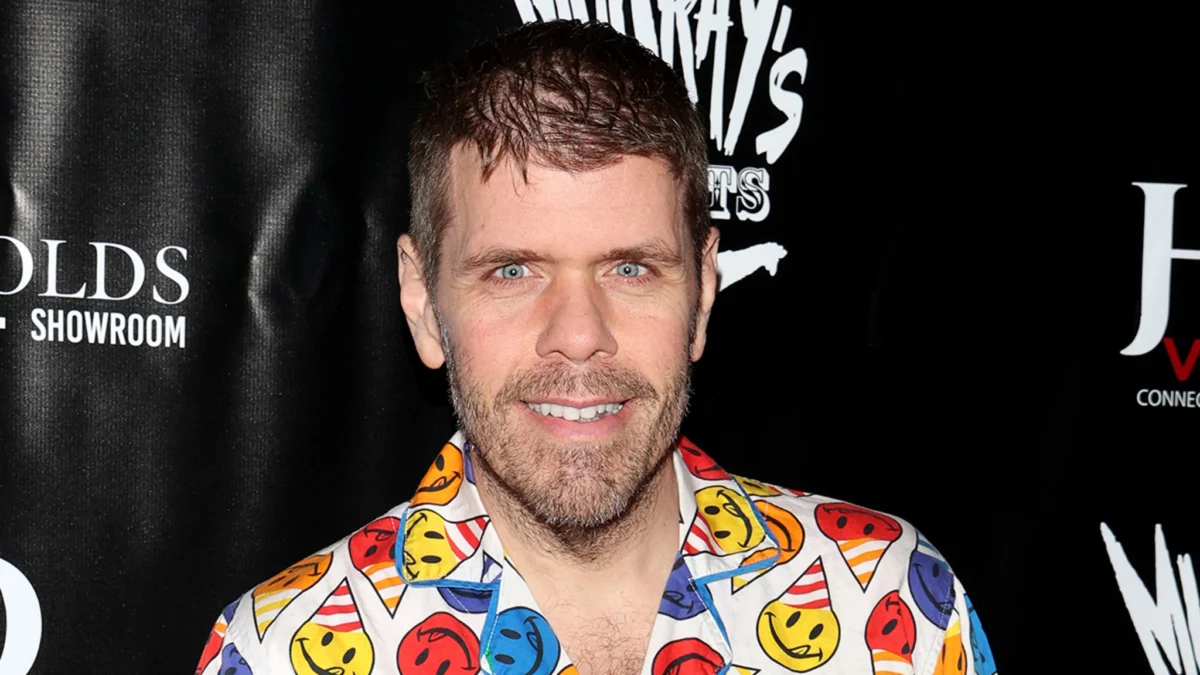
Celebrated blogger and media personality Perez Hilton, whose real name is Mario Armando Lavandeira Jr., is showing signs of recovery following a deeply concerning incident where he appeared to self-harm during a live stream. His family has confirmed that he is now able to communicate, offering a significant glimmer of hope during what they describe as an "incredibly difficult and emotional" period. The news comes after the internet personality was reportedly rushed to a hospital for psychiatric evaluation on Tuesday night, August 4, 2026, following the alarming broadcast.
The incident sent shockwaves across social media platforms and the entertainment industry, prompting an outpouring of concern from fans, colleagues, and mental health advocates. The family’s statement, released on Wednesday, August 5, 2026, underscored the gravity of the situation while also providing a crucial update on Hilton’s condition. "We can confirm that Perez is able to communicate, which has given our family hope," the statement read, conveying a cautiously optimistic tone amidst the ongoing crisis. This development marks a vital step in his recovery process, indicating a stable enough condition to engage with his loved ones and medical professionals.
The Unfolding of a Crisis: A Detailed Chronology
The distressing events began to unfold on Tuesday evening, August 4, 2026, when Perez Hilton initiated a live stream session, a common practice for many public figures to directly engage with their audience. However, this particular broadcast took a sudden and alarming turn when, according to multiple reports and law enforcement sources, Hilton appeared to inflict self-harm with a knife. The live nature of the event meant that numerous viewers witnessed the unfolding crisis in real-time, triggering immediate alarm and calls for intervention.
Concerned viewers, recognizing the severity of the situation, swiftly contacted emergency services. Law enforcement officials, acting on these urgent reports, responded promptly to Hilton’s location. Sources close to the investigation confirmed that officers arrived to find a situation necessitating immediate medical and psychological intervention. Following standard protocols for individuals in acute distress, Hilton was subsequently transported to a medical facility. There, he was placed under psychiatric evaluation, a critical step to ensure his safety and initiate appropriate mental health care. The specific details of the incident itself remain largely under wraps out of respect for Hilton’s privacy and the sensitive nature of mental health crises, but the initial reports were sufficient to galvanize a rapid emergency response.
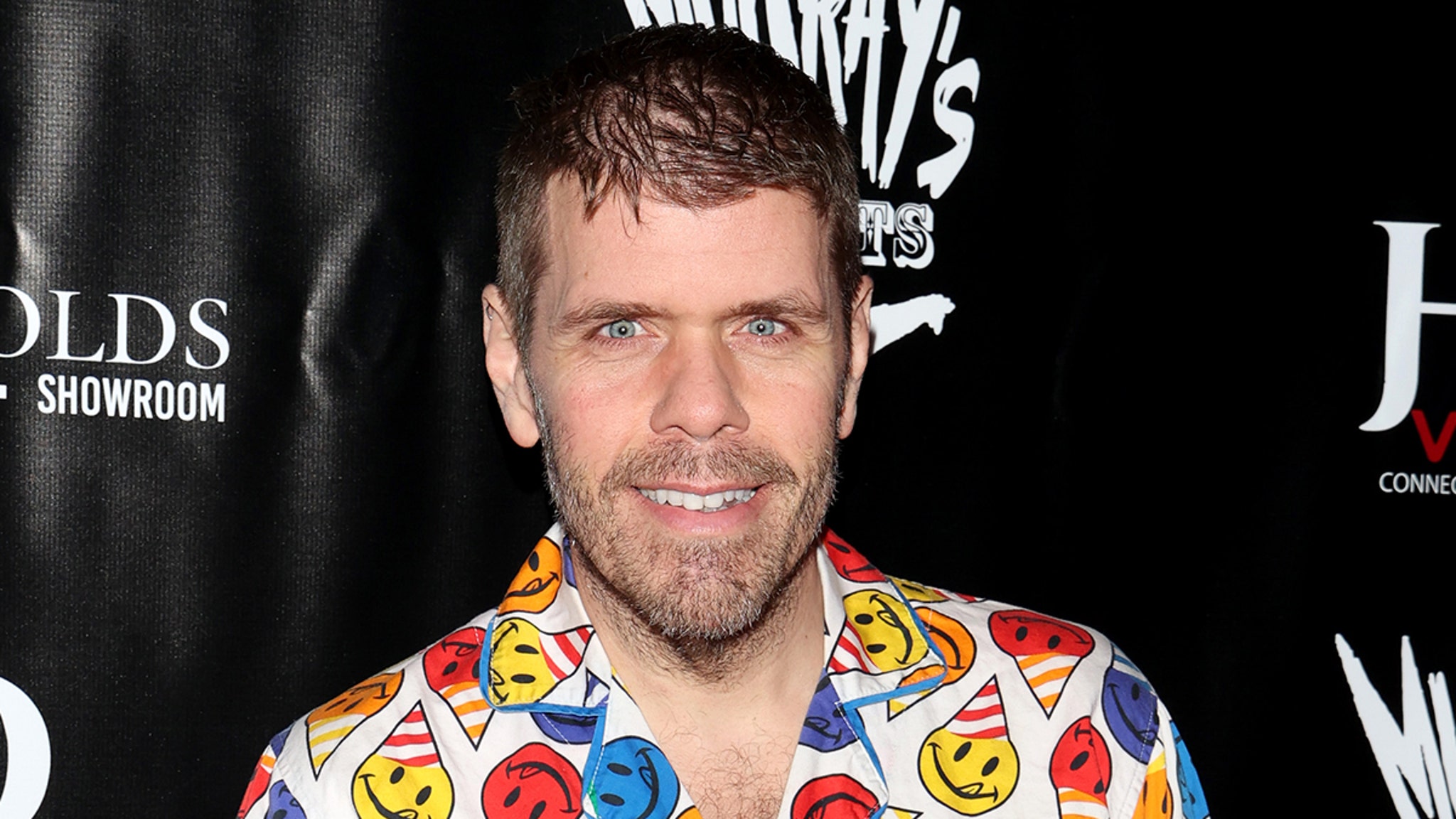
By Wednesday, August 5, 2026, as news of the incident began to circulate more widely, Hilton’s family released their first official statement. This communique, while brief, served to acknowledge the crisis and provide a crucial update on his condition. They expressed profound gratitude for the "prayers, kind messages, and support for Perez" that had flooded in, noting that such "compassionate humanity during this profoundly heartbreaking time has meant more than words can express." The statement further emphasized the family’s emotional ordeal, describing it as "incredibly difficult and emotional," yet reiterating their "hopeful" outlook regarding Perez’s condition and asking the public to continue praying for his recovery. The timing of the statement, just a day after the incident, highlights the family’s efforts to manage public information and express their appreciation for the overwhelming support.
Perez Hilton: A Life Under the Glare of the Public Eye
Perez Hilton, born Mario Armando Lavandeira Jr., has been an indelible figure in the celebrity news landscape for over two decades. Launching his blog, PerezHilton.com, in 2004, he quickly rose to prominence for his unfiltered, often provocative commentary on Hollywood gossip and celebrity culture. His unique brand of reporting, characterized by sharp wit, candid opinions, and signature doodles on celebrity photos, carved out a distinct niche in the nascent digital media space.
Throughout his career, Hilton has been both lauded and criticized. He became a significant force in shaping celebrity narratives, often breaking news and influencing public perception of stars. However, his confrontational style and willingness to delve into personal lives also drew considerable backlash, leading to accusations of bullying and insensitivity. Over the years, Hilton himself has acknowledged evolving perspectives on his past actions, sometimes expressing regret for certain controversial posts and attempting to foster a more positive public image. He has participated in various reality television shows, acted in stage productions, and even ventured into music, demonstrating a multifaceted career trajectory beyond his initial blogging success.
The intense scrutiny that comes with being a public figure, particularly one who has been at the epicenter of celebrity gossip for so long, carries immense psychological weight. The constant exposure to public opinion, criticism, and the relentless pressure to remain relevant can take a significant toll on mental health. For someone like Perez Hilton, whose career was built on commenting on others’ lives, the personal experience of being the subject of public discourse and speculation can be uniquely challenging. His journey through the entertainment industry offers a poignant example of the complex relationship between fame, media, and personal well-being.
The Broader Conversation: Mental Health in Celebrity Culture
The incident involving Perez Hilton serves as a stark reminder of the pervasive issue of mental health crises, particularly among public figures. While celebrities often project an image of success and invincibility, they are not immune to the profound challenges that can affect anyone. In fact, the unique pressures of fame – constant public scrutiny, invasion of privacy, demanding schedules, and the relentless pursuit of perfection – can exacerbate underlying mental health vulnerabilities.
Data from mental health organizations consistently highlight the prevalence of mental health disorders across populations. For instance, studies indicate that a significant percentage of adults experience mental illness in any given year. Among celebrities, the rates may be even higher or present unique manifestations due to the environmental factors inherent in their profession. The perceived need to maintain a certain persona, the fear of career repercussions, and the difficulty in finding genuine support can often prevent public figures from openly addressing their struggles until a crisis point is reached.
Self-harm, as reported in Hilton’s case, is a serious indicator of profound emotional distress. It is often a coping mechanism for unbearable pain, not an attempt to end one’s life, though it carries significant risk. Organizations like the National Alliance on Mental Illness (NAMI) and the National Institute of Mental Health (NIMH) emphasize that self-harm is a cry for help and requires immediate professional intervention and compassionate support. These incidents underscore the urgent need for accessible mental health resources, destigmatization, and robust support networks, especially within industries that place immense pressure on individuals.
Navigating Crisis: The Role of Social Media and Support Systems
The nature of Perez Hilton’s incident, unfolding on a live stream, brings into sharp focus the complex role of social media platforms in mental health crises. While live streaming offers unprecedented direct access between creators and their audiences, it also presents unique challenges when a user is in distress. Platforms like YouTube, Twitch, Instagram, and others have developed policies and mechanisms to address self-harm content, often involving immediate intervention by content moderators, removal of distressing material, and direct outreach to emergency services. However, the real-time nature of live events means that swift action by viewers can often be the most critical first line of defense.
In cases like Hilton’s, the immediate response from viewers who contacted authorities proved crucial. This highlights the collective responsibility of online communities to recognize signs of distress and act responsibly. Beyond immediate crisis intervention, the incident also underscores the importance of long-term support systems. Recovery from a mental health crisis, particularly one involving self-harm, is a journey that requires sustained professional care, including therapy, medication (if appropriate), and a strong personal support network.
Furthermore, the event sparks a broader conversation about the mental health literacy of the public. Understanding the signs of distress, knowing how to respond empathetically, and being aware of available resources are vital. Crisis hotlines, such as the National Suicide Prevention Lifeline (or its international equivalents), offer immediate, confidential support for individuals in crisis and those concerned about others. Educating the public on these resources and encouraging a culture of open dialogue about mental health are crucial steps in preventing future tragedies.
Community Response and Calls for Compassion
The aftermath of the incident saw a significant outpouring of public sentiment. While the initial shock was palpable, the dominant reaction from the public, fans, and fellow celebrities quickly shifted towards concern, empathy, and calls for compassion. Social media platforms, often arenas for harsh criticism, became spaces for messages of support and solidarity. Many users shared their own experiences with mental health, reinforcing the idea that such struggles are not isolated and that reaching out for help is a sign of strength, not weakness.
Mental health advocates and organizations were quick to leverage the public attention surrounding Hilton’s situation to reiterate their messages. They emphasized the importance of empathy over judgment, reminding the public that mental illness can affect anyone, regardless of their public persona or perceived success. This collective response highlights a growing societal awareness and reduced stigma surrounding mental health, contrasting with previous eras where such incidents might have been met with less understanding. The family’s public acknowledgment of the support received further validates the positive impact of this communal response, demonstrating that collective empathy can be a powerful force during times of crisis.
Looking Ahead: Recovery and Advocacy
Perez Hilton’s path to full recovery will undoubtedly be a personal and challenging one, requiring sustained professional care and the unwavering support of his family and close friends. The ability to communicate, as reported by his family, is a critical early step, allowing for crucial dialogue with medical professionals to understand his needs and tailor a treatment plan.
Beyond his individual recovery, this high-profile incident has the potential to reignite important conversations about mental health within the entertainment industry and society at large. It serves as a powerful reminder that behind every public persona is a human being susceptible to the same struggles as anyone else. There is an opportunity for greater advocacy, both from individuals within the industry and from mental health organizations, to push for better support systems, more open dialogue, and a proactive approach to mental well-being for those living under the intense pressures of fame.
As the situation develops, the public will likely continue to monitor updates from his family, hoping for continued progress. The immediate focus remains on Hilton’s health and well-being, and the collective hope is that this distressing event will ultimately lead to a path of healing and perhaps, a deeper understanding of the complex interplay between celebrity, public life, and mental health. The incident with Perez Hilton underscores the universal truth that mental health is as vital as physical health, and compassion and support are paramount in times of crisis.

0 Comments