
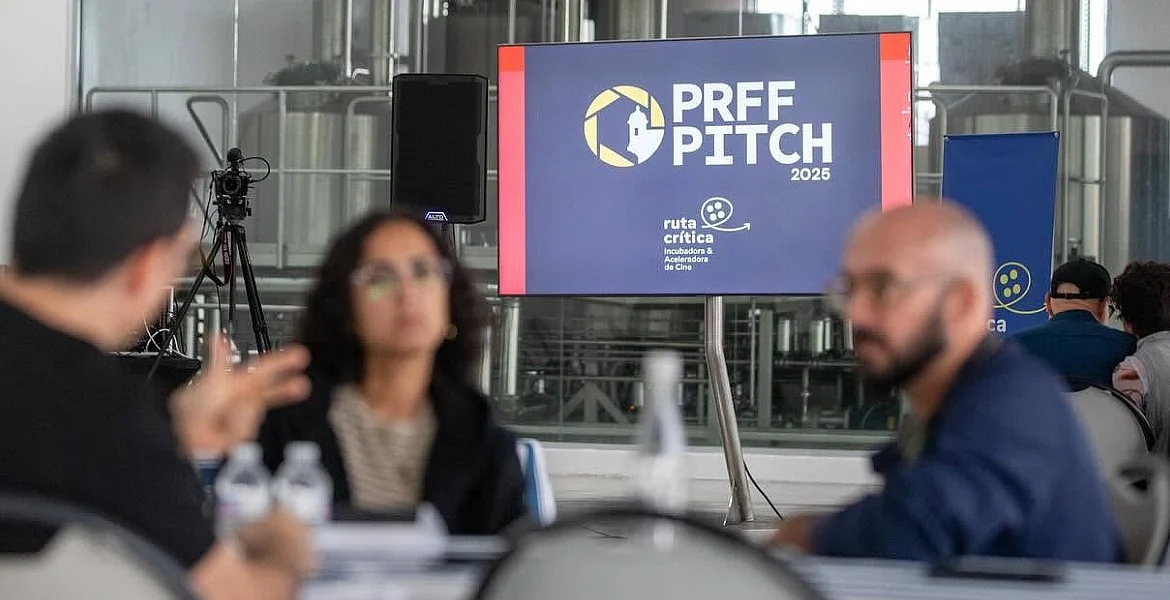
The 17th edition of the Puerto Rico International Film Festival (PRIFF), scheduled to take place from August 19 to August 23, serves as a critical juncture for the Caribbean archipelago’s burgeoning cinematic landscape. A central pillar of this year’s industry programming is the fifth edition of PRFF PITCH, a high-stakes industry event held on August 20. Organized in close collaboration with the specialized project incubator Ruta Crítica, PRFF PITCH is designed to bridge the gap between local creative vision and international market viability. This year’s selection highlights a deliberate focus on inclusivity and professional maturation, featuring eight projects led by women and non-binary filmmakers. Each participant brings a verified track record, having directed either up to two feature-length films or at least two short films, signaling a move toward supporting mid-career creators who are ready to scale their work for global audiences.
A Strategic Selection of Fiction and Documentary Narratives
The 2024 selection for PRFF PITCH is divided into two primary categories: five fiction features and three documentary projects. These works reflect a diverse array of thematic concerns, ranging from social commentary and magical realism to historical preservation and contemporary resistance.
In the fiction category, the lineup includes:
- Golden Boys by Gisela Rosario Ramos: Known in the artistic community as Macha Colón, Rosario Ramos has established a reputation for exploring queer identity and social fringe narratives with a blend of humor and poignancy.
- El apagón (The Blackout) by María Celeste Garrahan: This project likely taps into the collective consciousness of Puerto Rico, where infrastructure failures have become a metaphor for systemic neglect and resilience.
- Un funeral fantástico (A Fantastic Funeral) by Samara Pérez Santiago: A project that suggests an exploration of grief through the lens of heightened reality or magical elements.
- Lxs Idiotas by Sylvia Bofill Calero: Bofill Calero, a seasoned playwright and filmmaker, often focuses on the absurdities of modern life and interpersonal dynamics.
- La playita by Vivian Bruckman Blondet: A narrative that promises to engage with the coastal identity and perhaps the socio-economic pressures facing Puerto Rico’s shores.
The documentary cohort is equally robust, featuring:
- Recetario by María del Mar Rosario: A project that appears to delve into cultural heritage through the lens of gastronomy or domestic traditions.
- La Resistencia by Mariem Pérez Riera: Pérez Riera, a director with significant international acclaim following her work on the Rita Moreno documentary, continues her exploration of systemic struggle and cultural endurance.
- Untitled Project by Pati Cruz: A new work from an emerging voice in the non-fiction space, emphasizing the festival’s commitment to discovering fresh perspectives.
The Role of Ruta Crítica and the La Brújula Accelerator
The PRFF PITCH is not a standalone event but rather the entry point into a comprehensive professional development pipeline. Following the initial pitch sessions, the selected filmmakers will transition into the fourth "generation" of La Brújula, a prestigious acceleration initiative managed by Ruta Crítica. This program is structured as a year-long intensive mentorship designed to address the specific hurdles faced by Caribbean filmmakers in the global market.
Throughout the year, participants receive both individual and group advisory sessions. The curriculum is meticulously designed to cover the "business" of film, which is often a secondary consideration in purely artistic environments. Mentorship areas include:
- Story and Script Development: Refining the narrative structure to ensure it resonates with international sensibilities while maintaining its local soul.
- Project Folders (Carpetas): Creating professional dossiers that include budgets, financing plans, and marketing strategies essential for securing co-productions.
- Audience Design: Identifying and targeting specific demographics early in the development phase to ensure the film finds its "home" in the festival circuit or streaming platforms.
- Internationalization: Navigating the complex world of international sales agents, distributors, and film funds.
Regional Integration and International Networking
One of the most significant components of the PRFF PITCH is its focus on regional solidarity within Latin America. Arleen Cruz-Alicea, the Industry Manager for the festival, has emphasized that the participants will engage in a series of virtual meetings with a curated group of industry professionals from Colombia, Guatemala, Mexico, and Panama.
These countries were selected strategically. Colombia and Mexico represent the two most dominant film industries in the Spanish-speaking world, offering robust co-production treaties and a wealth of technical expertise. Meanwhile, Guatemala and Panama represent emerging markets that share similar logistical and cultural challenges with Puerto Rico, allowing for a peer-to-peer exchange of strategies. By connecting Puerto Rican filmmakers with producers, post-production houses, and distributors from these nations, PRFF PITCH facilitates a "South-South" dialogue that bypasses traditional gatekeepers in the Global North.
Contextualizing Puerto Rican Cinema: Innovation in Resistance
The current state of the Puerto Rican film industry is characterized by what Cruz-Alicea describes as a period of "effervescence." This energy, however, exists in spite of—rather than because of—formal governmental support. Unlike many of its neighbors, Puerto Rico lacks a centralized, well-funded national film institute that can provide consistent subsidies for development and production. While tax incentives exist to attract foreign productions (mainly from Hollywood), local filmmakers often find themselves operating in a precarious financial environment.
"We are living in a time of effervescence," Cruz-Alicea stated in a communication with LatAm cinema. "On one hand, against all odds, we have increased participation in international market initiatives, laboratories, and festivals. This contributes to the internationalization of our films and the filmmaking community in general."
This "resistance" is a recurring theme in the Puerto Rican creative sector. The lack of official strategic structures has forced the community to self-organize. Initiatives like PRFF PITCH and Ruta Crítica serve as "safe spaces" for collective dialogue. They function not just as business hubs, but as ideological engines where filmmakers can support one another’s growth in the absence of state-led industrial policy.
Timeline and Developmental Milestones
The journey for the selected projects follows a rigorous chronology:
- August 19, 2024: Commencement of the 17th Puerto Rico International Film Festival, featuring screenings and workshops.
- August 20, 2024: The PRFF PITCH event, where filmmakers present their projects to an international jury and industry delegates.
- August 21–23, 2024: Virtual networking sessions and one-on-one meetings with partners from Mexico, Colombia, Panama, and Guatemala.
- Late 2024 – Late 2025: Enrollment in the La Brújula accelerator. This 12-month period involves monthly check-ins, script doctoring, and financial planning sessions.
- 2025–2026: Expected entry of these projects into the international co-production market circuit (such as Ventana Sur or the Berlinale Co-Production Market).
Broader Implications for the Caribbean Film Industry
The emphasis on women and non-binary directors at PRFF PITCH is a calculated move to rectify historical imbalances in the industry. By providing these specific creators with the tools for internationalization, the festival is ensuring that the future of Puerto Rican cinema is representative of its actual social fabric.
Furthermore, the collaboration between PRIFF and Ruta Crítica serves as a model for other Caribbean nations. In regions where institutional funding is scarce, the "incubator" model provides a sustainable alternative. It shifts the focus from "waiting for a grant" to "building a project" that can compete for private investment and international funds like Ibermedia or the Hubert Bals Fund.
As the 17th Puerto Rico International Film Festival progresses, the industry will be watching these eight projects closely. They represent more than just individual stories; they are the vanguard of a new wave of Puerto Rican cinema that is professionalized, globally connected, and unyieldingly resilient. The success of PRFF PITCH 2024 will likely be measured not just by the films that eventually make it to the screen, but by the strength of the networks built between San Juan, Mexico City, Bogotá, and beyond. Through these efforts, Puerto Rican cinema continues to prove that even in a state of "resistance," its creative output remains world-class.

0 Comments