
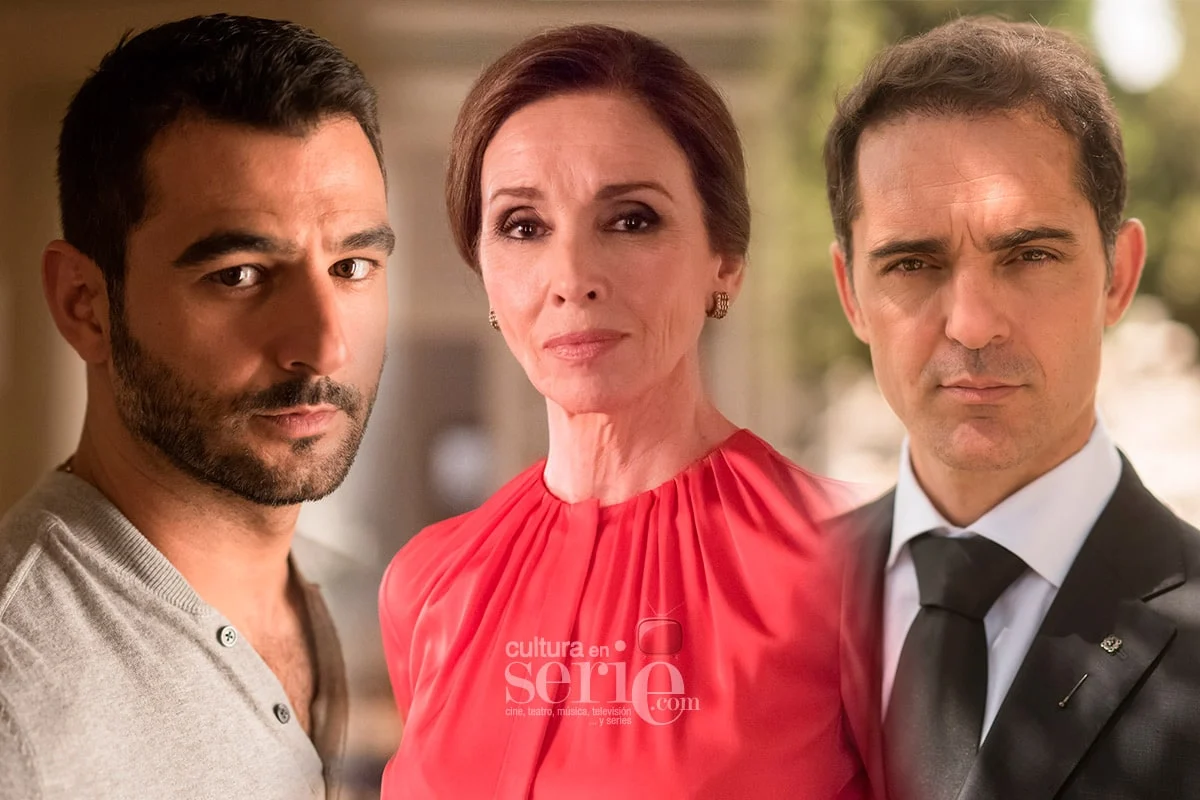
For viewers captivated by the intricate web of family dynamics, simmering tensions, and hidden agendas presented in the Spanish series "Pura Sangre," a rich landscape of similar narratives awaits. This acclaimed Telecinco production, a joint creation by Nacho Faerna and Virginia Yagüe and brought to life by Shine Iberia, masterfully drew audiences into the tumultuous world of the Acuña family. Their opulent estate, a seemingly idyllic setting, concealed a labyrinth of conflicts, long-buried secrets, and devastating betrayals, establishing a potent formula that resonates deeply with audiences. For those seeking more stories steeped in this compelling blend of powerful families, shadowed pasts, and life-altering decisions, a curated selection of Spanish series offers an equally engaging and addictive viewing experience. These productions, characterized by their exploration of familial bonds tested by ambition, deception, and a relentless pursuit of power, consistently deliver high-stakes drama that keeps viewers on the edge of their seats from the very first episode.
The success of "Pura Sangre" can be attributed to its adept fusion of thriller elements with the intimate drama of family conflict. The series delved into the complexities of inherited wealth, the burden of legacy, and the corrosive effects of secrets within a closed environment. The Acuña family’s internal power struggles, fueled by ambition and resentment, served as a microcosm of broader societal themes, making their personal dramas relatable and universally compelling. The series’ ability to weave a narrative of suspense with deeply human emotional arcs cemented its place as a significant entry in the Spanish television landscape. This particular brand of storytelling, where the home itself becomes a battleground and blood ties are both a source of strength and vulnerability, has proven to be a consistently successful genre.
The following Spanish series embody this potent mix, offering viewers a similar, yet distinct, journey into the heart of family feuds, clandestine operations, and dramatic revelations. Each production, through its unique characters, settings, and narrative threads, reinforces the enduring appeal of tales where the closest relationships are often the most fraught with peril and the most significant secrets lie within the family unit.
Traición: A Legacy of Deception
"Traición" stands as a significant entry in the annals of Spanish television drama, a compelling exploration of familial discord that immediately grips its audience. The narrative ignites when the patriarch of a prominent family convenes his relatives, not for a celebration, but to announce a series of impending changes. This seemingly innocuous gathering quickly unravels, however, as a devastating secret is brought to light, casting a long shadow over the family’s privileged existence.
The series boasts an impressive ensemble cast, featuring acclaimed actors such as Ana Belén, Pedro Alonso, Nathalie Poza, and Manuela Velasco. Their performances imbue the complex characters with a palpable sense of gravitas and emotional depth. Produced by Bambú Producciones for La 1 and initially airing in 2017, "Traición" was strategically positioned to capitalize on the growing demand for sophisticated domestic dramas. The production values were high, with meticulous attention paid to set design and costume, further enhancing the portrayal of a wealthy and influential family grappling with internal turmoil.
At its core, "Traición" dissects the intricate dynamics of broken loyalties, concealed self-interests, and the relentless internal struggle for dominance within a powerful family structure. The series masterfully navigates the moral ambiguities faced by its characters, as they are forced to confront the consequences of past actions and make difficult choices that will inevitably reshape their futures. The narrative explores themes of inheritance, the weight of expectation, and the often-corrosive influence of wealth on interpersonal relationships. The unfolding secrets serve not merely as plot devices but as catalysts for profound character development, revealing hidden motivations and the true nature of the bonds that tie the family together, or indeed, threaten to tear them apart. The critical reception highlighted the series’ ability to sustain suspense over its run, with viewers consistently engaged by the unfolding revelations and the ethical dilemmas presented.
Vivir sin Permiso: The Shadow of Organized Crime and Succession
"Vivir sin Permiso" emerges as one of the most potent and impactful Spanish series of recent years, a gripping saga that seamlessly blends family drama with the brutal realities of organized crime and the high-stakes game of succession. Set against the atmospheric backdrop of Galicia, the series leverages its unique regional setting to amplify the sense of isolation, tradition, and the often-unseen undercurrents of power that permeate the region.
The narrative centers on a patriarch deeply entrenched in the world of drug trafficking, a man who, while wielding immense power, finds himself confronting a personal crisis: a degenerative illness that forces him to contemplate his own mortality and the future of his criminal empire. This existential threat ignites a desperate search for a successor, a process fraught with danger, betrayal, and the ruthless machinations of those vying for control.
The series is anchored by powerful performances from its lead actors, including José Coronado in a commanding role, Álex González, and Claudia Traisac. Their portrayals capture the complex interplay of ambition, loyalty, and desperation that defines the characters’ lives. Produced by Mediaset España and Alea Media, "Vivir sin Permiso" premiered in 2018, quickly garnering significant viewership and critical acclaim for its unflinching portrayal of its subject matter. The decision to film in Galicia was not merely aesthetic; the rugged coastlines, ancient traditions, and tight-knit communities provided a fertile ground for the narrative, mirroring the enclosed and often insular world of criminal enterprises.
In "Vivir sin Permiso," much like in "Pura Sangre," the family serves as the primary battleground where all significant decisions are made and all conflicts are ultimately resolved. The series delves into the moral compromises inherent in a life of crime, the blurred lines between legitimate business and illicit operations, and the devastating impact of these choices on familial relationships. The struggle for succession becomes a proxy for deeper questions about legacy, power, and the very definition of family in the face of overwhelming external and internal pressures. The series’ exploration of the patriarch’s illness adds a layer of poignant urgency, highlighting the human cost of his life’s work and the desperate measures he undertakes to secure his legacy, even if that legacy is built on illicit foundations. The intricate plotting and the morally ambiguous characters kept audiences invested, eager to see who would emerge victorious from this perilous game of power.
La Encrucijada: A Twisted Tale of Love and Vengeance
"La Encrucijada" presents a compelling narrative tapestry woven from threads of love, vengeance, and deeply entrenched rivalry between families. This Spanish adaptation draws inspiration from the successful Turkish series "Cesur ve Güzel," a testament to the cross-cultural appeal of well-crafted dramatic narratives. The series masterfully combines the intricate plotting of a daily drama with a potent emotional core, making it an addictive watch for those who appreciate a complex web of relationships and simmering resentments.
The cast is led by the talented Ástrid Janer and Rodrigo Guirao, who bring a compelling chemistry to their roles. They are supported by a robust ensemble that includes Abel Folk, Paula Prendes, and Cristóbal Suárez, each contributing to the rich character dynamics. Produced by Secuoya Studios, Ay Yapım, and Atresmedia TV, "La Encrucijada" premiered in 2025, marking a significant production effort in the Spanish television industry. The choice to adapt a successful international format underscores the growing global appetite for Spanish-language content and the recognized quality of its production standards.
The driving force behind "La Encrucijada" is unequivocally the conflict between two families, their animosity fueled by a dark and unresolved past. This inherited animosity is further complicated by an impossible love that blossoms amidst the animosity, creating a volatile situation where personal desires clash with familial obligations and deeply ingrained hatreds. The narrative explores how generational trauma and long-standing feuds can shape the present, trapping individuals in cycles of revenge and retribution. The series delves into themes of justice, forgiveness, and the enduring power of love to transcend even the most formidable obstacles. The intricate plotting, often characterized by unexpected twists and turns, ensures that the audience remains perpetually engaged, guessing the true motivations of the characters and the ultimate trajectory of their intertwined destinies. The blend of romance and intense conflict creates a potent cocktail that is both emotionally resonant and dramatically satisfying.
Legado: The Empire of Inheritance and Generational Conflict
"Legado" positions itself as a contemporary family drama with significant undertones of corporate intrigue and political maneuvering. The story commences with the return of a powerful magnate to his vast empire, only to discover that his heirs harbor ambitions to fundamentally alter the established order. This premise immediately sets the stage for a dramatic confrontation between tradition and innovation, between the old guard and the new generation, and between competing visions for the future.
The series features a stellar cast, including the formidable José Coronado, Belén Cuesta, and Diego Martín, whose performances are expected to bring depth and nuance to the complex familial relationships at the heart of the narrative. "Legado" is produced by El Desorden Crea for Netflix, a collaboration that signals a commitment to high-quality, binge-worthy content for a global audience. The series premiered in 2025, aligning with Netflix’s strategy of expanding its portfolio of original Spanish-language productions. The production’s placement on a major streaming platform suggests a focus on a serialized narrative with a high production value, catering to an international viewership accustomed to sophisticated storytelling.
"Legado" places a keen focus on the themes of inheritance, the pervasive nature of power, and the inherent conflicts that arise between generations. The family is depicted as being in a state of intense division, locked in a struggle for control over a vast media empire. This setting provides a potent backdrop for exploring the dynamics of ambition, legacy, and the ethical compromises that individuals are willing to make in pursuit of power. The series is poised to examine how differing values, life experiences, and perspectives can lead to irreconcilable differences within a family, even when bound by blood. The narrative is expected to explore the pressures faced by heirs apparent, the challenges of leadership, and the potential for destructive rivalries to emerge when immense wealth and influence are at stake. The series’ exploration of the media industry as the arena for this conflict adds a contemporary relevance, touching upon issues of influence, public perception, and the control of information.
Regreso a Las Sabinas: Melodrama and Unearthing the Past
"Regreso a Las Sabinas" embraces the genre of melodrama, infusing it with contemporary sensibilities and a deep dive into the complexities of family secrets. The narrative is ignited by the return of two sisters to their ancestral village, a homecoming that forces them to confront their shared past and the unresolved wounds that have long festered beneath the surface of their lives. This return serves as a potent catalyst, triggering a cascade of long-buried truths and emotional reckonings.
The series is headlined by a talented cast, including Celia Freijeiro, Andrés Velencoso, and Olivia Molina, whose performances are expected to carry the emotional weight of the narrative. Produced by Diagonal TV, "Regreso a Las Sabinas" premiered on Disney+ in 2024, marking a significant milestone as the first Spanish daily series developed specifically for a streaming platform. With a total of 70 episodes, the production signals a substantial investment in a long-form narrative designed to engage viewers over an extended period, a format that has proven successful on streaming services.
The return to the family home in "Regreso a Las Sabinas" becomes the critical turning point, initiating a series of conflicts, the excavation of deeply held secrets, and the reopening of emotional scars that have never truly healed. The series delves into the enduring impact of childhood experiences, the complexities of sisterhood, and the ways in which familial legacies can shape individual identities and relationships. The seemingly tranquil facade of the village is gradually peeled back to reveal a landscape of hidden desires, past transgressions, and the lingering consequences of decisions made long ago. The melodrama inherent in the series promises heightened emotional stakes, as the characters navigate betrayals, rekindled affections, and the difficult process of reconciliation or, conversely, further estrangement. The series’ unique position as a daily drama on a streaming platform suggests an innovative approach to storytelling, potentially offering a more immersive and continuous narrative experience than traditional broadcast television. The focus on a female-centric narrative, with two sisters at its core, also addresses a significant demographic within the melodrama genre.

0 Comments