

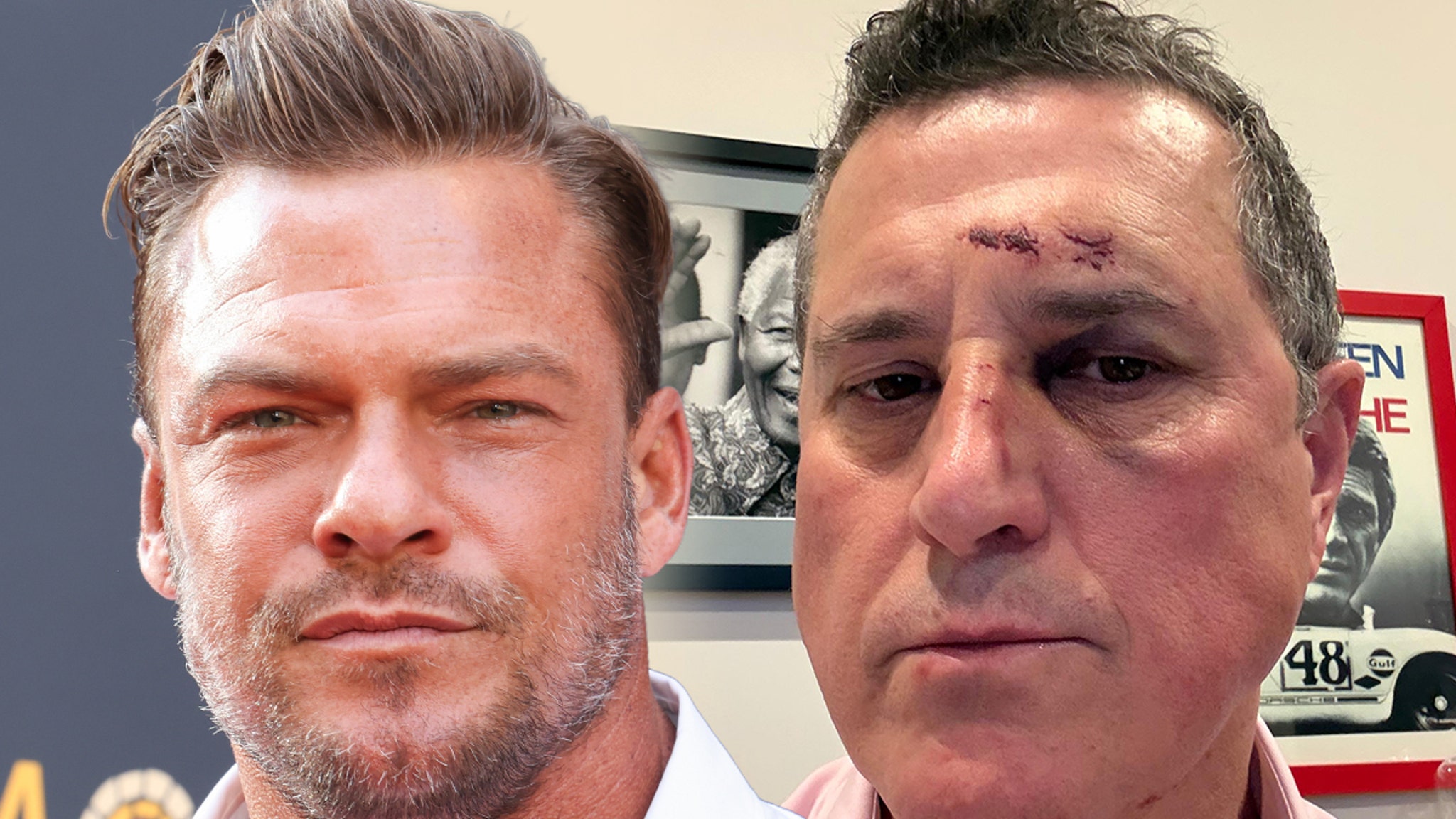
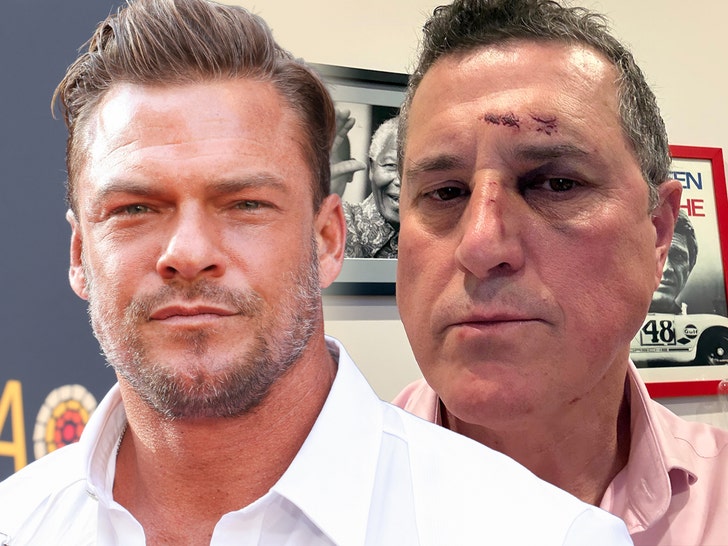
Ronnie Taylor, a resident of Brentwood, Tennessee, is reportedly enduring a torrent of over 100 severe threats, including multiple death threats, from individuals claiming to be fans of actor Alan Ritchson. This alarming escalation follows a public altercation last Sunday between Taylor and Ritchson, known for his titular role in the popular Amazon Prime Video series ‘Reacher.’ The incident, which saw Ritchson cleared of any wrongdoing by local law enforcement, has inadvertently placed Taylor at the center of a furious online backlash, highlighting the darker side of celebrity fandom and digital vigilantism.
The Initial Incident: A Neighborhood Dispute Turns Physical
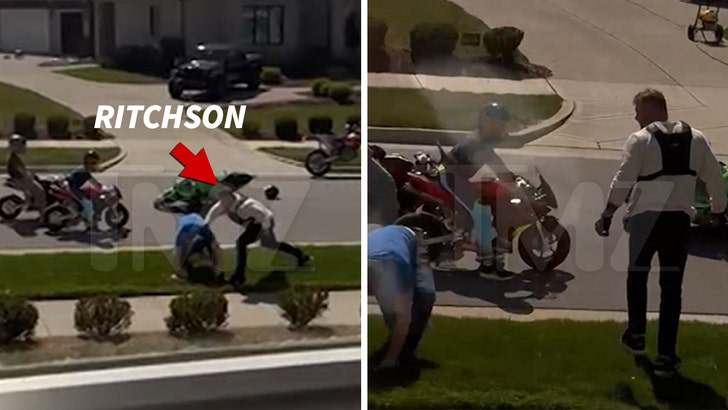
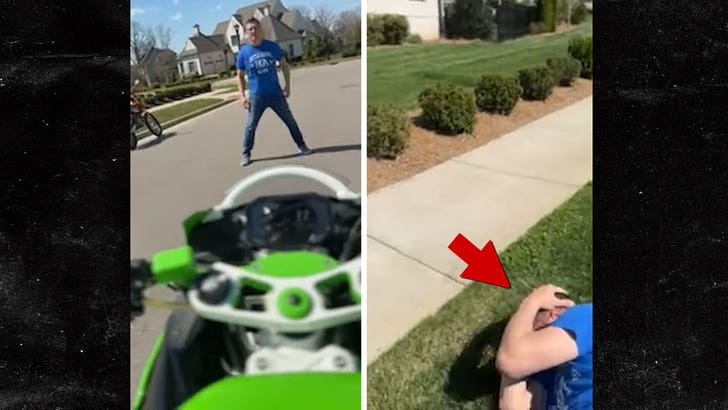
The confrontation, which occurred on a quiet Sunday afternoon, began when Taylor reportedly intercepted Ritchson, who was riding his motorcycle, in an attempt to address alleged speeding within their Brentwood neighborhood. According to initial reports and Taylor’s account to TMZ, he positioned himself in front of Ritchson’s path, initiating a verbal exchange that quickly devolved into a physical altercation. Video footage of the incident, which subsequently circulated online, depicted Ritchson engaging Taylor.
The Brentwood Police Department (BPD) was dispatched to the scene following reports of a disturbance. After a thorough investigation, including reviewing available video evidence and interviewing both parties, the BPD concluded that Ritchson acted in self-defense. No formal charges were filed against the actor, effectively clearing him of any legal culpability in the physical encounter. This official determination marked a pivotal point, validating Ritchson’s actions within the legal framework of self-defense statutes prevalent in Tennessee.
Ronnie Taylor’s Ordeal: A Flood of Digital Harassment
In the wake of the police’s decision and the widespread dissemination of the incident’s details across social media and news outlets, Ronnie Taylor’s life has been significantly disrupted. Taylor has disclosed to TMZ that he has been inundated with threatening communications, encompassing both text messages and anonymous phone calls. He reports receiving over 100 such messages and calls, many of which contain explicit threats of violence and death.
Specific examples provided by Taylor paint a grim picture of the harassment. He recounted one instance where a caller, using a blocked number, expressed a desire to see Taylor "breathe out of a tube," implying severe bodily harm. Another anonymous caller reportedly threatened to put him in a wheelchair. The text messages have been equally disturbing, with one starkly reading, "Die, die, die." A particularly egregious message, according to Taylor, escalated beyond physical threats to include personal attacks on his family life, stating, "I hope your wife divorces you and your kids never speak to you again and you die a horrible death." These threats, often laced with vitriol and personal attacks, underscore a disturbing trend of online aggression directed at individuals perceived to have wronged a public figure.
The ‘Reacher’ Phenomenon and Fan Dynamics
Alan Ritchson’s portrayal of Jack Reacher, the imposing, morally unambiguous protagonist of Lee Child’s popular book series, has garnered a massive and intensely loyal fanbase. The character of Reacher is known for his formidable physical prowess, unwavering sense of justice, and a willingness to employ extreme measures when provoked. This fictional persona, coupled with Ritchson’s compelling performance, has cultivated an image of a protector and enforcer among his admirers.
Sociologists specializing in fan culture suggest that such strong identification with a character can, in some instances, blur the lines between fiction and reality for certain individuals. When a perceived transgression occurs against the actor embodying such a beloved character, a segment of the fanbase may feel a sense of personal offense or a need to ‘defend’ their idol, adopting the character’s confrontational ethos. This phenomenon, often amplified by the anonymity and immediacy of online platforms, can lead to disproportionate and aggressive reactions. Data from recent studies on celebrity fandom indicates that while the vast majority of fans engage respectfully, a small but vocal minority can exhibit behaviors ranging from obsessive to outright threatening, particularly when they feel their chosen celebrity is being unfairly targeted or criticized. This dynamic likely plays a significant role in the vitriol directed at Taylor.
Legal and Ethical Dimensions of Online Harassment
Ronnie Taylor has indicated that he informally consulted a police officer regarding the threats. The officer reportedly advised him that if he feels genuinely concerned for his safety, he should file a formal complaint with the police department. Despite the severity of the threats, Taylor has thus far refrained from filing an official report, characterizing the perpetrators as "trolls." However, legal experts emphasize that even online threats, particularly those involving physical harm or death, are taken seriously by law enforcement and can constitute criminal offenses such as harassment, stalking, or even terroristic threatening, depending on the jurisdiction and the specific content of the messages.
In Tennessee, laws against harassment and stalking are robust. Harassment can include repeated unwanted communications intended to annoy, alarm, or terrorize another person. When such communications escalate to threats of bodily injury or death, the potential legal consequences for the perpetrator become much more severe. The challenge, however, often lies in identifying anonymous callers and texters, requiring cooperation from telecommunication companies and sometimes necessitating digital forensics. The BPD, while not commenting specifically on Taylor’s current situation without a formal report, generally advises individuals facing such threats to document everything, including screenshots of messages and call logs, and to report the incidents promptly. This documentation is crucial for any potential investigation and prosecution.
Broader Implications: Celebrity Privacy, Public Interaction, and Digital Vigilantism
This incident serves as a stark reminder of the increasingly complex relationship between celebrities and the public, exacerbated by the pervasive nature of social media. The line between public figure and private citizen continues to blur, and incidents that once might have remained local disputes now quickly become global spectacles. The immediate availability of information, often without full context, fuels rapid judgments and emotional responses from vast online communities.
The case also brings to the forefront the concerning trend of digital vigilantism. In an era where information spreads instantly and emotional reactions can quickly snowball, individuals who are perceived to have wronged a celebrity often become targets of collective online outrage. This mob mentality can lead to severe real-world consequences, as evidenced by the threats Taylor is now receiving. It bypasses due process, often relies on incomplete or biased information, and inflicts punishment outside any legal framework. This phenomenon raises critical questions about personal responsibility in online interactions, the role of social media platforms in moderating harmful content, and the psychological impact on those who become targets.
The Unseen Toll: Psychological and Social Impact
Beyond the immediate legal and safety concerns, the psychological toll on individuals subjected to such intense harassment can be profound. Receiving death threats and malicious personal attacks can induce significant stress, anxiety, and fear for one’s personal safety and the well-being of loved ones. The constant vigilance required to monitor incoming communications, coupled with the invasion of privacy, can lead to long-term psychological distress.
For Taylor, his decision not to file a formal report yet, attributing the threats to "trolls," might reflect a coping mechanism or a reluctance to further engage with the negativity. However, experts in victim support often advise against dismissing such threats, as they can escalate. The social impact extends beyond the individual, creating an environment where public discourse becomes increasingly aggressive and where differing opinions are met with hostility rather than constructive engagement. This chilling effect can deter ordinary citizens from attempting to address perceived public safety issues, fearing similar reprisals.
Looking Forward: Calls for Responsible Engagement
The situation involving Ronnie Taylor and the passionate fanbase of Alan Ritchson underscores an urgent need for greater responsibility from all stakeholders: fans, public figures, and digital platforms. For fans, it’s a call to distinguish between fictional characters and real individuals, and to engage respectfully, even when expressing strong opinions. For celebrities, while they cannot control the actions of their most extreme followers, acknowledging the potential for such behavior and issuing statements advocating for respectful conduct can sometimes help de-escalate tensions.
For social media platforms, the incident highlights the ongoing challenge of content moderation and the need for more effective mechanisms to identify and address online harassment and threats, while balancing free speech considerations. The digital landscape, while offering unprecedented connectivity, also presents avenues for anonymous aggression that can have devastating real-world consequences.
As of the latest update, Ronnie Taylor has not filed a formal police report regarding the threats. The Brentwood Police Department remains ready to assist should he choose to pursue official action. The situation continues to evolve, serving as a potent case study in the volatile intersection of celebrity, public interaction, and the unbridled power of online communities. The question remains whether Taylor’s stance will change in the face of ongoing harassment, and what further actions, if any, will be taken to address the concerning trend of digital vigilantism in the contemporary media landscape.

0 Comments