
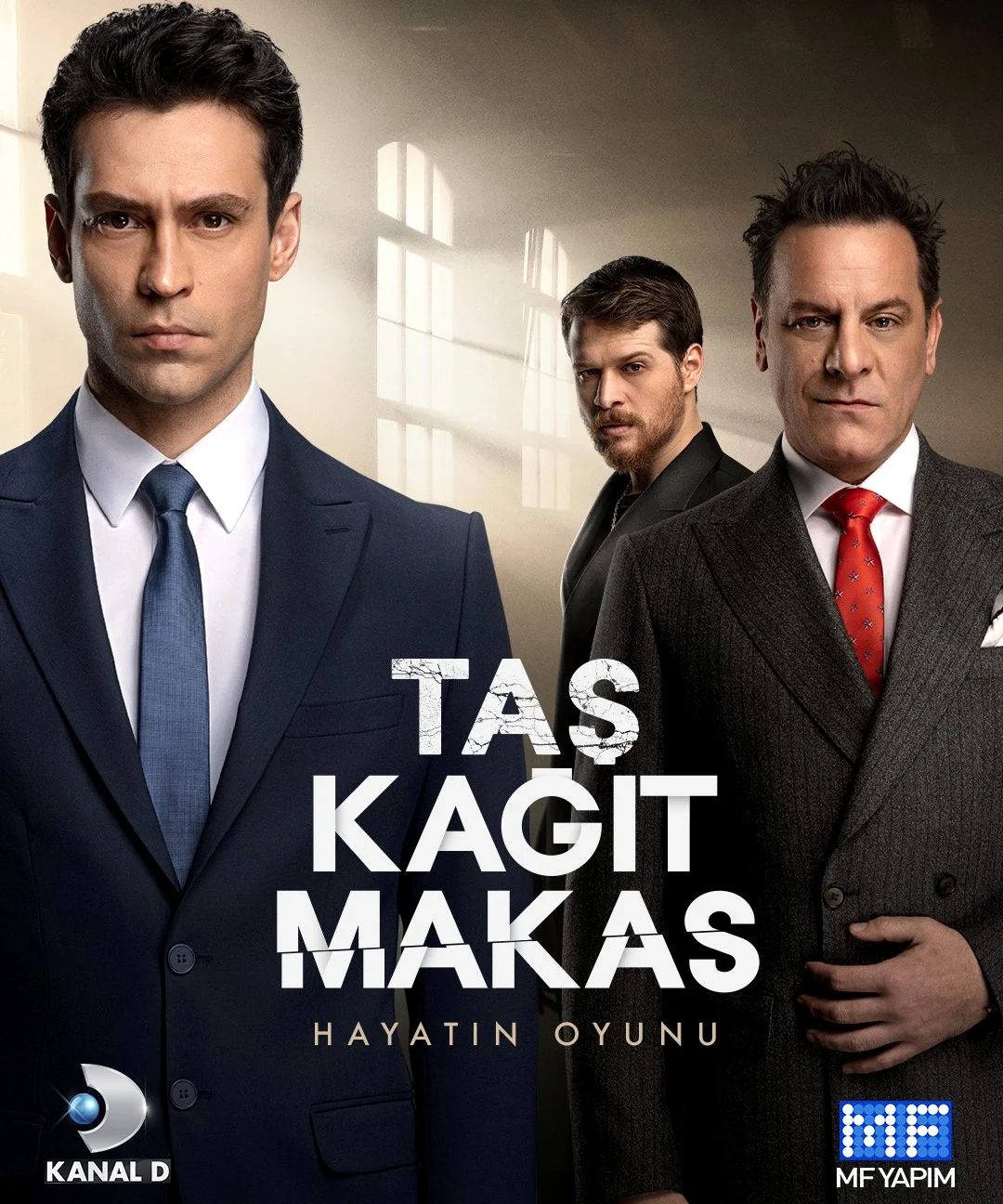
Istanbul, Turkey – A compelling new crime drama, Remember (Tas Kagit Makas), has captivated audiences since its premiere on Kanal D on February 28, 2024. Produced by MF Yapim, the series delves into a high-stakes legal battle fueled by an extraordinary memory and a father’s struggle with a deteriorating one. With each episode running between 120 and 140 minutes, a standard for Turkish television productions, the show is slated for a 19-episode run, concluding on October 16, 2024, promising a protracted and intricate narrative.
At its core, Remember explores the profound human quest for justice against a backdrop of corruption, power, and personal tragedy. The series introduces Umut Tanrikulu, portrayed by Ekin Koc, a young man burdened and blessed with Hyperthymesia, a rare neurological condition that grants him an autobiographical memory so detailed he remembers every word, sound, and image he has ever experienced. This exceptional ability becomes his most potent weapon when his beloved father, Riza Tanrikulu (Bulent Seyran), a humble cleaning worker, is falsely accused of a heinous crime. Riza, unbeknownst to himself and Umut, is grappling with the early stages of Alzheimer’s disease, leaving him vulnerable and unable to recall the crucial events of the night that shattered their peaceful existence.
The narrative skillfully intertwines the contrasting realities of perfect recall and profound forgetfulness, creating a poignant and suspenseful foundation for the drama. Umut’s unwavering belief in his father’s innocence propels him into a desperate fight against a seemingly insurmountable system, where wealth and influence often trump truth. This struggle for justice against powerful adversaries, combined with the deeply personal stakes of a son fighting for his father, positions Remember as a significant entry in the crime and drama genre.
The Genesis of a Nightmare: A Day That Changes Everything
The tranquil lives of Umut and Riza are irrevocably altered on a fateful evening that culminates in murder and a wrongful accusation. Riza, a dedicated father, works diligently as a cleaning worker in a high-rise office building, his life centered around caring for Umut. Their simple world is a stark contrast to the opulent circles of Istanbul’s elite, represented by Fecir Emirkiran, played by Burak Yoruk. Fecir, a scion of a powerful, wealthy family, returns to Istanbul from London, his arrival marked by a lavish welcoming party. He is depicted as charismatic yet dangerously manipulative, a character whose polished exterior conceals a deeply conflicted and emotionally wounded soul.
The catalyst for the tragedy is a young woman named Busra (Ebrar Karabakan), whose captivating singing talent catches Fecir’s attention via social media. Insisting she perform at his exclusive gathering, Fecir lures Busra to the plaza, coincidentally near Riza and Umut’s neighborhood. As the night progresses, Fecir’s charm gives way to a darker side. Busra becomes a victim of his unwanted advances, and in a desperate attempt to escape, tragedy strikes. Her lifeless body is later discovered in the forest adjacent to the plaza, signaling the start of a harrowing ordeal for the Tanrikulu family.
Simultaneously, Riza, after leaving work, embarks on a simple errand: purchasing a cellphone as a birthday gift for Umut. However, a nascent, insidious force is at play. Disoriented and confused, Riza wanders into the forest, his memory failing him as the early stages of Alzheimer’s silently take hold. He is completely unaware of the horrific events unfolding nearby. The next morning, Umut’s growing concern over his father’s absence leads him to Riza, lost and frightened in the forest, and to the gruesome discovery of Busra’s body. This double shock — his father’s condition and the murder — sets Umut on his relentless path.
The Injustice and the Unlikely Alliance
The aftermath is swift and brutal. Amidst the communal grief at Busra’s funeral, the police arrive and arrest Riza, accusing him of murder. The news sends shockwaves through the community and plunges Umut into despair. Knowing his father’s gentle nature, Umut vehemently rejects the accusation. Yet, Riza’s inability to recall the night’s events leaves him defenseless, a tragic consequence of his undiagnosed Alzheimer’s.
The case quickly garners significant media attention, creating immense pressure on the authorities to deliver a quick resolution. This public scrutiny leads to a manipulative and unethical process where police, under prosecutorial pressure, exploit Riza’s vulnerability. They threaten Umut’s safety, coercing Riza into a false confession. This sequence of events starkly highlights the series’ exploration of systemic corruption and the fragility of justice in the face of power and public demand.
Despite the seemingly insurmountable odds, Umut’s resolve never wavers. His extraordinary memory, once a silent companion, transforms into his most powerful weapon in the fight for his father’s freedom. His quest for truth leads him to two pivotal allies, each bringing a unique perspective and skill set to his cause.
The first is Alev Parlak, portrayed by Serra Ariturk, a passionate and principled law student with an unyielding sense of justice. Their paths cross coincidentally, and Alev is profoundly moved by Umut’s story. Her involvement quickly becomes personal, as she dedicates her legal knowledge and empathetic spirit to support Umut’s fight. Alev represents the moral compass and the hope for ethical legal practice within a system often portrayed as compromised.
The second crucial ally is Harun Yakar, played by the distinguished Ozan Guven. Harun is a brilliant and highly successful defense attorney renowned for representing Istanbul’s wealthiest elite, boasting an undefeated record. Initially reluctant to take on Umut’s seemingly lost cause, Harun is eventually compelled by Umut’s tragic past, specifically the loss of his entire family in a car accident. This personal tragedy resonates with Harun, hinting at a deeper, more complex character beneath his polished, cynical exterior. Harun’s strategic mind, though often devoid of traditional ethical values, sees an opportunity in Umut’s unwavering determination and unique memory. He views Umut as a valuable asset in a game where success is paramount. Together, this unlikely trio — a young man with perfect memory, a principled law student, and a morally ambiguous legal titan — embark on a dangerous journey to uncover the dark truth behind Fecir Emirkiran’s actions and expose a powerful man’s deadly secrets.
Character Dynamics and Psychological Depth
The strength of Remember lies not only in its intricate plot but also in the rich psychological profiles of its main characters, particularly Fecir Emirkiran. While initially presented as a charming yet manipulative antagonist, the series delves into Fecir’s complex inner world. He is depicted as a deeply conflicted soul, emotionally wounded and vulnerable, having grown up under the shadow of a cold, domineering father who withheld love and approval. This formative experience fuels Fecir’s insatiable need for validation, driving his dangerous behavior and blurring the lines between power, pain, control, and chaos. This nuanced portrayal elevates Fecir beyond a mere villain, adding layers of psychological depth that enrich the drama.
Umut, with his Hyperthymesia, carries not only the burden of perfect recall but also the emotional weight of memories he can never escape, including his personal tragedies. This makes him a quiet sufferer, yet his loyalty to his father transforms him into a formidable seeker of justice. Harun, despite his cynical view of the legal system, is subtly drawn back to the values he once believed in, his past loss serving as a hidden motivator. Alev, with her unwavering idealism, provides a moral counterpoint, reminding the audience of the core principles of justice. These interwoven character arcs create a compelling human drama that resonates beyond the crime thriller elements.
Production Excellence and Industry Context
Remember (Tas Kagit Makas) benefits from the high production values characteristic of Turkish dramas, which have garnered significant international acclaim in recent years. MF Yapim, the production company behind the series, is known for its consistent delivery of popular and high-quality television content, often adapting successful international formats or creating original, compelling narratives. Kanal D, one of Turkey’s leading national broadcasters, provides a broad platform, ensuring wide viewership within Turkey and facilitating international distribution, a common trajectory for successful Turkish series.
The choice of Istanbul as the primary filming location adds another layer of authenticity and visual appeal. The city’s dynamic blend of historical grandeur and modern urban landscapes provides a rich, atmospheric backdrop for the unfolding drama, from the gleaming high-rise offices of the elite to the more modest neighborhoods where Umut and Riza reside. Directors Volkan Keskin and Yusuf Pirhasan, alongside screenwriter Ugras Gunes, are tasked with weaving this complex narrative into a visually engaging and emotionally resonant series. The typical 120-140 minute episode length allows for extensive character development, intricate plot twists, and a slow burn of suspense, a format that has proven highly successful in engaging Turkish and global audiences alike.
The casting choices are also strategic. Ekin Koc’s selection as Umut leverages his proven ability to portray complex, emotionally driven characters, allowing him to convey the internal struggle and unwavering determination required for the role. Ozan Guven’s portrayal of Harun capitalizes on his capacity for nuanced performances, hinting at the hidden depths beneath a character’s polished exterior. Serra Ariturk brings youthful idealism and intelligence to Alev, while Burak Yoruk’s Fecir is designed to be both alluring and menacing, embodying the series’ exploration of power and corruption.
Themes and Broader Implications
Beyond its gripping crime plot, Remember delves into several profound themes with broader societal implications. The series critically examines the justice system, particularly how power, wealth, and media pressure can corrupt due process and lead to wrongful convictions. It highlights the disparity between the powerful elite and the vulnerable ordinary citizen, a recurring motif in many Turkish dramas that resonate with contemporary societal concerns.
The exploration of Hyperthymesia and Alzheimer’s disease offers a unique lens through which to examine memory itself—its reliability, its burdens, and its fragility. Umut’s perfect memory serves as a metaphor for the objective truth, while Riza’s deteriorating memory symbolizes the vulnerability of personal narrative and the ease with which it can be manipulated. This contrast raises questions about the nature of truth, evidence, and identity.
The title "Tas Kagit Makas" (Rock, Paper, Scissors) and its English equivalent "Remember" are also highly symbolic. "Rock, Paper, Scissors" suggests a game of strategy, chance, and power dynamics, reflecting the legal and social battles fought within the series. Who will win this game of wits, influence, and determination? "Remember" directly points to Umut’s unique ability and the central role of memory in uncovering the truth and reclaiming justice.
The series also touches upon the enduring strength of family bonds and loyalty in the face of adversity. Umut’s unwavering dedication to his father’s innocence forms the emotional core of the narrative, providing a powerful human element to the legal drama. The unexpected friendships and alliances forged throughout his journey further underscore themes of hope, resilience, and the collective pursuit of justice.
As Remember progresses through its broadcast period, it is poised to not only entertain with its suspenseful plot but also to provoke thought and discussion on critical societal issues. Its blend of a unique premise, compelling characters, high production quality, and relevant social commentary positions it as a significant and impactful addition to the landscape of Turkish television drama, further cementing the genre’s global appeal.

0 Comments