
 Jia Lissa
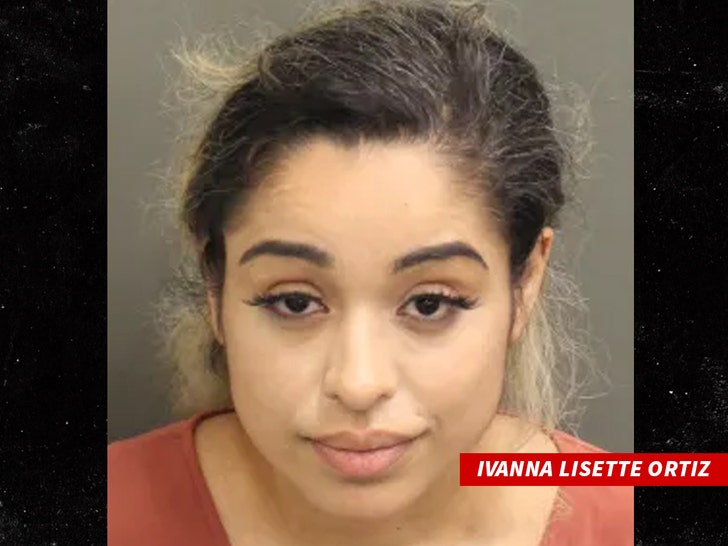
Ivanna Lisette Ortiz, the woman accused of a terrifying shooting incident at global superstar Rihanna’s Beverly Hills residence, faces the imminent threat of losing her professional license as a speech-language pathologist. This development marks a significant turn in the already high-profile case, adding a professional dimension to the severe criminal charges she is currently confronting. Prosecutors in California, alongside a member of the state’s licensing board, are actively pushing to bar Ortiz from practicing her profession, particularly if she is granted release from custody.
The confluence of alleged violent criminal behavior and professional misconduct raises profound questions about public safety, professional ethics, and the rigorous oversight responsibilities of state licensing boards. Ortiz, whose license was reportedly obtained in April 2016 and is valid until June 2027, now finds her career hanging in the balance, entangled in a legal battle that could have far-reaching consequences beyond the courtroom.
The Incident: A Terrifying Attack on Rihanna’s Home
The charges against Ivanna Lisette Ortiz stem from an alleged incident involving multiple gunshots fired at Rihanna’s Beverly Hills home. Court documents reveal that Ortiz is charged with one count of attempted murder, ten counts of assault with a semiautomatic firearm, and three counts of shooting at an inhabited dwelling. The severity of these charges is amplified by the detail that an AR-15 style rifle was allegedly used in the attack, and critically, Rihanna and her children were reportedly inside the residence at the time of the shooting. This detail underscores the immediate and grave danger the incident posed to the lives of the occupants.
While the exact chronology leading up to Ortiz’s apprehension has not been fully detailed in this specific report, such charges typically follow a thorough investigation by law enforcement, culminating in an arrest and formal indictment. The use of a high-powered firearm like an AR-15 style rifle in a residential area, particularly targeting a celebrity’s home, points to a premeditated and highly dangerous act, drawing immediate attention from authorities and the public alike. The incident highlights the persistent security challenges faced by high-profile individuals and the potential for extreme actions from individuals seeking attention or driven by other motives.
The Professional Quandary: License Under Threat
The new legal documents, obtained by TMZ, bring to light Ivanna Lisette Ortiz’s professional background as a licensed speech-language pathologist in California. This revelation introduces a critical layer to the legal proceedings, as her alleged actions are now directly impacting her ability to practice her profession. A member of the state board responsible for overseeing speech-language pathology licensure has formally requested that Ortiz be prevented from practicing if she is released from law enforcement custody, whether on bail or her own recognizance.
Speech-language pathologists are healthcare professionals who diagnose and treat communication and swallowing disorders. Their work often involves interacting with vulnerable populations, including children, the elderly, and individuals with disabilities. The profession demands a high degree of trust, ethical conduct, and sound judgment. The charges Ortiz faces — attempted murder and multiple counts of assault with a deadly weapon — inherently challenge the core principles of safety, ethics, and public trust that underpin any healthcare profession.
The Role of Licensing Boards in Professional Oversight
Professional licensing boards, such as the Speech-Language Pathology and Audiology Board of California (or a similar regulatory body), exist primarily to protect the public. They establish and enforce standards of practice, issue licenses to qualified individuals, and have the authority to discipline licensees who fail to meet these standards or engage in misconduct. Their mandate is to ensure that professionals are competent, ethical, and do not pose a danger to the public they serve.
For a speech-language pathologist, obtaining a license is a rigorous process involving extensive education (typically a master’s degree), supervised clinical experience, and passing a national certification examination, followed by state-specific licensure requirements. This significant investment in education and training underscores the gravity of a potential license revocation. The board’s interest in Ortiz’s case reflects its duty to uphold the integrity of the profession and to ensure that individuals holding such licenses maintain the public’s trust and safety. When a licensee is charged with serious felonies, especially those involving violence, the board is compelled to review the individual’s fitness to practice.
Legal Framework for Disciplinary Action
The move to potentially revoke or suspend Ortiz’s license is a standard, albeit severe, measure within professional regulatory frameworks when a licensee is implicated in serious criminal activity. Licensing boards generally have the power to initiate disciplinary proceedings based on criminal convictions, charges involving moral turpitude, or actions that demonstrate an inability to practice safely and competently. Even before a criminal conviction, boards can take action, particularly if there’s an immediate threat to public safety.
In many jurisdictions, a felony arrest or indictment can trigger an investigation by the professional licensing board, separate from the criminal court process. This investigation aims to determine whether the licensee’s actions violate professional codes of conduct or render them unfit to practice. The board’s request to impose a condition on Ortiz’s release, preventing her from working with the public, is a proactive step designed to mitigate potential risks while the criminal case proceeds. This interim measure is often employed when the alleged conduct is severe and directly impacts the licensee’s ethical standing and the safety of potential clients. The board’s concern is that even if out on bail, an individual facing such serious allegations could pose a risk to vulnerable clients, or simply erode public confidence in the profession.
The Arraignment and Bail Conditions
Ortiz is scheduled for arraignment on Wednesday morning. The arraignment is a critical stage in the criminal justice process where a defendant is formally read the charges against them, given an opportunity to enter a plea (typically "not guilty"), and where the court often addresses bail. During this hearing, the judge will consider various factors when determining whether to grant bail, and if so, under what conditions. These factors typically include the defendant’s flight risk, the potential danger they pose to the community, and the severity of the charges.
It is at this juncture that the request from the licensing board member becomes highly relevant. The board’s specific demand for any condition of Ortiz’s release to prevent her from working as a speech-language pathologist directly informs the court’s decision-making regarding bail conditions. Such conditions can include restrictions on employment, travel, or contact with specific individuals, tailored to protect public safety. If the court agrees with the board’s recommendation, it would legally bar Ortiz from practicing her profession even if she secures release from jail, effectively placing her license in immediate suspension pending further disciplinary action or the outcome of her criminal trial.
Parallel Legal Tracks: Criminal vs. Professional
It is important to understand that Ivanna Lisette Ortiz is now facing two distinct, albeit interconnected, legal battles: the criminal prosecution for attempted murder and related charges, and potential disciplinary action against her professional license. These two tracks operate independently, each with its own procedures, standards of proof, and potential outcomes.
In the criminal case, the prosecution must prove guilt beyond a reasonable doubt, and the potential consequences include imprisonment. The professional licensing case, on the other hand, typically involves administrative hearings where the standard of proof is often lower (e.g., preponderance of the evidence), and the consequences are related to the individual’s right to practice their profession, ranging from censure to suspension or permanent revocation of the license. A criminal conviction would almost certainly lead to disciplinary action by the board, but even an arrest or charges can trigger an investigation and interim measures, as seen in this case. Ortiz’s legal defense team will need to strategize on both fronts, addressing the serious criminal allegations while simultaneously protecting her professional credentials.
Implications for Public Trust and Professional Standards
The Ivanna Lisette Ortiz case underscores the profound implications when a licensed professional is accused of grave criminal acts. For the public, such incidents can erode trust in regulated professions, especially those that involve direct interaction with vulnerable individuals. Patients and their families rely on the assurance that licensed practitioners have not only the technical skills but also the ethical fortitude and stable judgment to provide safe and effective care.
For the speech-language pathology profession, this case serves as a stark reminder of the responsibilities that come with licensure. Professional associations and licensing boards are tasked with maintaining high standards of conduct and ethics to safeguard the public and preserve the integrity of the profession. When allegations of violence emerge, swift and appropriate action by regulatory bodies is crucial to demonstrate accountability and to reassure the public that their safety is paramount. The actions taken by the California board will be closely watched by other professional bodies and the public, potentially influencing how similar cases are handled in the future.
The Broader Context of Celebrity Security
Beyond the immediate legal and professional ramifications for Ivanna Lisette Ortiz, this incident also shines a light on the persistent and evolving challenges of celebrity security. High-profile individuals like Rihanna frequently face risks from obsessed fans, stalkers, and individuals seeking to cause harm. The alleged use of an AR-15 style rifle in this incident highlights the dangerous escalation of threats.
Celebrities often invest heavily in security measures, but as this case demonstrates, even fortified residences can become targets. The emotional toll on victims and their families from such terrifying intrusions is immeasurable. This incident will likely reignite discussions within the entertainment industry and law enforcement about enhancing protective measures and addressing the psychological factors that may drive individuals to commit such acts.
Looking Ahead: The Path to Justice
As Ivanna Lisette Ortiz prepares for her arraignment, the legal journey ahead is complex and multifaceted. On the criminal front, she faces the arduous process of trial, potential plea negotiations, and the possibility of severe penalties if convicted. Simultaneously, her professional life as a speech-language pathologist hangs by a thread, with the licensing board poised to take definitive action based on the outcome of her legal battles and their own independent review.
The case will unfold on these two parallel tracks, each with its own timeline and legal procedures. The public, the legal community, and professional regulatory bodies will be watching closely as the justice system seeks to address the serious criminal allegations and determine the future of Ivanna Lisette Ortiz’s professional standing. The resolution of this case will not only impact Ortiz but will also reinforce the principles of accountability, public safety, and professional integrity within both the legal and healthcare systems.


 Eva Lovia
 Julia Chirkova
 Julia Prastini
 admin
admin
 Raisa Andriana