

RTVE has officially presented "Rojo sobre blanco" (Red on White), its latest ambitious crime procedural, at the FesTVal in Vitoria. Created by Daniel Écija and produced in collaboration with Good Mood, the series promises a unique blend of weekly criminal investigations, sharp humor, and profound personal drama. Set to premiere soon on La 1 and RTVE Play, the show marks a significant move by the public broadcaster into a genre often dominated by private production companies in Spain.
A New Procedural Paradigm for Spanish Television
Daniel Écija himself described "Rojo sobre blanco" as a "procedural with a case-of-the-week, drama, comedy, emotion, and a lot of suspense." This multifaceted approach suggests a deliberate effort to push the boundaries of the traditional Spanish crime drama, which frequently leans towards darker, more introspective narratives. The inclusion of strong comedic elements alongside intense criminal investigations is a key differentiator, aiming to capture a broader audience and offer a fresh perspective on the genre. The series’ procedural nature, with a self-contained case to be solved in each episode, is designed to foster consistent viewer engagement week after week, a crucial element for linear television in the current fragmented media landscape.
The strategic decision by RTVE to invest in such a project underscores a potential shift in its programming strategy, aiming to compete more directly with private networks by offering high-quality, genre-bending fiction that appeals to contemporary viewing habits. This move comes at a time when public broadcasters globally are re-evaluating their role in producing original content that can maintain relevance and attract younger demographics.
The Protagonist: A Detective Juggling Cases and a Fractured Personal Life
At the heart of "Rojo sobre blanco" is Mario Sandoval, portrayed by Hugo Silva, an experienced inspector returning to Madrid after a stint in Rome. His arrival is fraught with immediate challenges: he must tackle a high-profile kidnapping case while simultaneously navigating the complexities of a recent divorce. The situation escalates dramatically when he discovers his new work partner is none other than his ex-wife.
During backstage interviews at Vitoria, Silva elaborated on the series’ tone, stating, "I’ve laughed a lot making this series; he’s a rather absent-minded guy but with great instinct who returns to work with his ex-wife, and that constant tension generates moments that are as painful as they are funny." This portrayal eschews the trope of the tortured, brooding detective, instead presenting a relatable, albeit flawed, individual who relies heavily on his intuition. This character-driven approach, where the personal lives of the investigators are as integral to the narrative as the criminal cases, is a deliberate choice by the creative team. Silva emphasized that this balance is crucial, acknowledging the difficulty in maintaining it week after week but highlighting its potential to make the procedural format significantly more addictive when executed effectively.
The success of such a balancing act is often contingent on strong writing and compelling performances. The inherent dramatic potential of a professional partnership between ex-spouses, coupled with the inherent pressures of solving complex crimes, provides fertile ground for both suspense and humor. This dynamic is central to the series’ promise of emotional depth and engaging character arcs.
The Partner: A Forensic Linguist with Unconventional Methods
Opposing Sandoval’s intuitive approach is Daniela Pedreira, played by María Hervás. Pedreira is a forensic linguist with exceptional cognitive abilities and a notable lack of social filter. She collaborates with the police while independently investigating the suspicious death of her father.
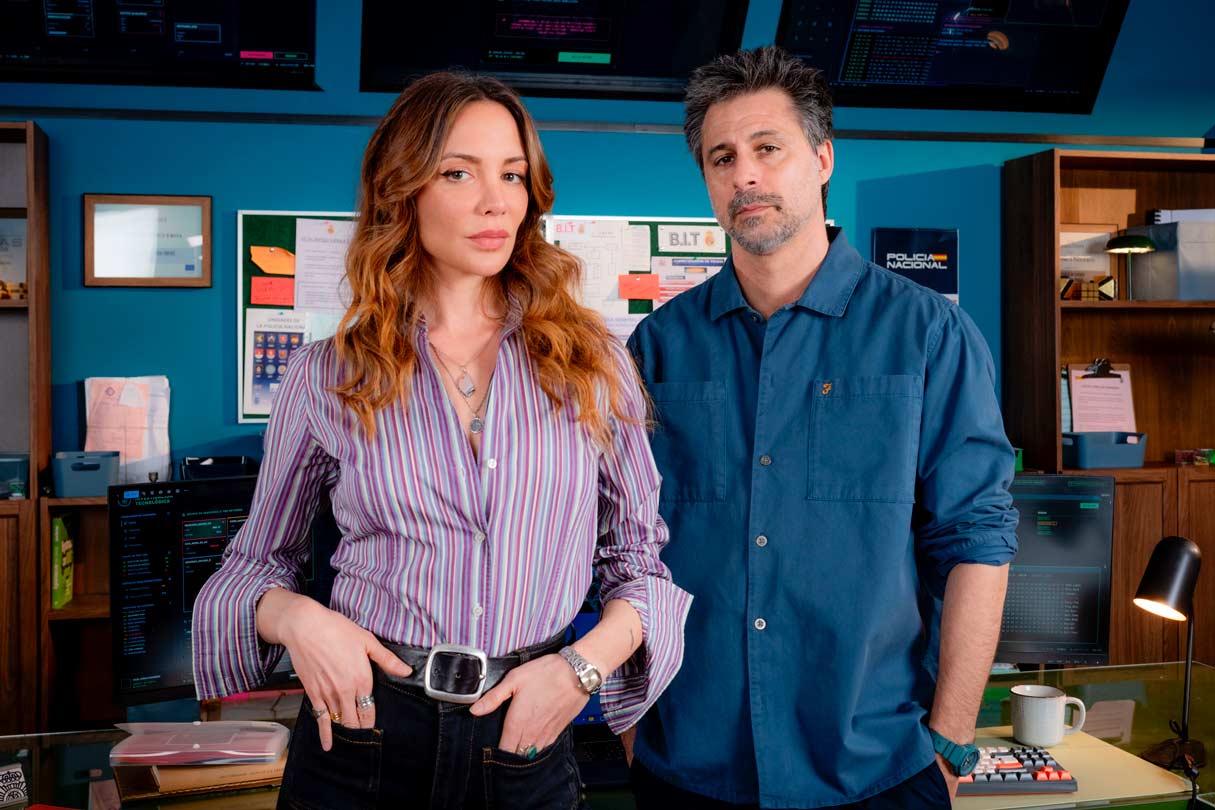
Hervás detailed her preparation for the role, drawing inspiration from documentaries on neurodivergence and individuals with profiles similar to Asperger’s Syndrome. She described her character as "a brilliant woman but a total emotional klutz who doesn’t grasp social codes, which lands her in a lot of hilariously awkward situations." This disconnect from conventional social interactions, combined with her hyper-analytical perspective, is poised to create a stark and engaging contrast with Silva’s more instinctual and chaotic character. The inherent friction between these two distinct personalities is positioned as the primary engine of the series, a constant clash between gut feelings and logical processing, laced with significant emotional tension.
The development of such a character requires careful consideration to ensure authenticity and avoid stereotypes. The portrayal of neurodivergent traits in a compelling and respectful manner is crucial for the series’ credibility and its ability to resonate with a diverse audience.
Production and Ensemble Cast
Filming for "Rojo sobre blanco" has concluded, with locations spanning Madrid and Tenerife. The supporting cast features notable Spanish actors including Pablo Derqui, Irene Arcos, Francis Lorenzo, and Miryam Gallego. According to the actors, the atmosphere on set was exceptional, a factor that often translates into compelling on-screen chemistry and a palpable sense of realism. The positive environment during production can be a significant indicator of a series’ potential to connect with viewers, as it often fosters a more authentic and collaborative storytelling experience.
The production timeline, while not explicitly detailed in the initial announcement, suggests a significant investment of time and resources. The choice of diverse filming locations, from the bustling capital of Madrid to the distinct landscapes of Tenerife, indicates a commitment to visual richness and a desire to provide a varied backdrop for the unfolding narrative.
A "Luminous" Thriller: Redefining the Spanish Crime Genre
Écija’s description of "Rojo sobre blanco" as a "luminous thriller" is particularly noteworthy. This term suggests a departure from the often dark and gritty aesthetic prevalent in Spanish crime fiction. Viewers are accustomed to procedurals characterized by dense drama and oppressive atmospheres. In contrast, "Rojo sobre blanco" appears to integrate mystery with elements of everyday life, incorporating clumsiness and humor into the crime-solving process. This approach aims to present a more nuanced and perhaps optimistic view of law enforcement and the human condition, where even amidst serious criminal activity, life’s mundane and humorous aspects persist.
The genre classification is significant. While Spain has produced critically acclaimed dark thrillers and gritty police dramas, the "luminous thriller" subgenre, which balances suspense with lighter tones and character-driven humor, is less explored. This offers RTVE an opportunity to carve out a unique niche and potentially set new trends in Spanish television production. The success of this ambitious tone will depend heavily on the script’s ability to seamlessly weave together these disparate elements without undermining the seriousness of the criminal investigations.
Anticipation and Broadcast Strategy
While an exact premiere date for La 1 and RTVE Play has not yet been confirmed, promotional activities are already underway, indicating an imminent launch. Televisión Española is reportedly seeking a flagship series that can capture and retain audience attention on a weekly basis. A well-executed procedural with compelling protagonists, strong chemistry, and a creator adept at genre conventions possesses all the necessary ingredients for success. The ultimate test, however, will be its performance on screen.
The broadcast strategy, leveraging both a traditional linear channel (La 1) and a digital platform (RTVE Play), is designed to maximize reach and cater to diverse viewing preferences. This dual approach is increasingly common for broadcasters aiming to appeal to both traditional television audiences and digital natives who prefer on-demand content. The early promotional buzz suggests RTVE is confident in the series’ potential to become a ratings success and a talking point within the Spanish television landscape. The anticipation surrounding "Rojo sobre blanco" highlights the growing demand for fresh, engaging, and genre-bending content, and RTVE’s commitment to delivering it. The series represents a calculated gamble, but one with the potential to significantly bolster RTVE’s fictional offerings and reassert its position as a major player in Spanish television drama.

0 Comments