

A Secret Service agent has been placed on administrative leave following allegations of leaking sensitive operational details regarding Vice President J.D. Vance’s travel arrangements to reporters, triggering a high-level internal investigation by federal authorities. The incident, first reported by CNN, highlights the stringent confidentiality protocols within federal protective services and the severe repercussions for breaches of trust, particularly concerning the security of high-ranking government officials. The alleged leak provided an unusual glimpse into the private frustrations of security personnel and the logistical complexities surrounding vice-presidential movements.
The Allegations: A Breach of Operational Security
The unnamed agent is suspected of sharing information with MS NOW correspondents, which subsequently formed the basis of a story published on July 15. The report detailed Vice President Vance’s travel habits, specifically alleging that members of his security detail were feeling "fed up" and burdened by what they perceived as hastily arranged personal and family travel requests. The MS NOW article went further, outlining specific aspects of Vance’s itinerary, including an incident where the Vice President was reportedly planning to use a Marine Corps helicopter to transport his son to a golf lesson, a plan that was ultimately scrapped.
Such details, even if seemingly innocuous, are considered highly sensitive within the realm of protective services. Operational security, or OPSEC, is a cornerstone of the Secret Service’s mission, designed to prevent adversaries from gaining intelligence that could compromise the safety of their protectees. The revelation of travel logistics, internal dissent among agents, or even cancelled plans can inadvertently provide patterns or vulnerabilities that could be exploited. This makes any unauthorized disclosure a grave concern, irrespective of the content’s classified status.
Chronology of an Unfolding Investigation
The timeline of events leading to the administrative leave underscores the rapid and serious response from federal agencies.
- Prior to July 15, 2026: The alleged leak of information from the Secret Service agent to MS NOW correspondents is believed to have occurred. The specific duration and method of communication remain under investigation.
- July 15, 2026: MS NOW publishes its story, "Veep’s Security Detail Fed Up With Hastily Arranged Personal and Family Travel Requests," detailing Vice President Vance’s travel plans and the purported frustrations of his security team. The article garners immediate attention within political and security circles.
- Mid-July 2026 (Post-Publication): Following the publication, top officials across the Secret Service, the Federal Bureau of Investigation (FBI), and the White House reportedly become "infuriated" by the unauthorized disclosure of operational details. An immediate internal review is initiated to identify the source of the leak.
- July 22, 2026: CNN breaks the news that a Secret Service agent is suspected of being the source of the leak and has been placed on administrative leave pending the outcome of a federal investigation. This report confirms the seriousness with which the incident is being treated.
- July 23, 2026: News outlets, including TMZ, further report on the administrative leave and the ongoing internal review, bringing the incident to broader public attention. The Secret Service refrains from providing specific comments on ongoing personnel matters.
The Strictures of Secret Service Protocols
The United States Secret Service operates under a strict code of conduct and confidentiality, vital for its dual mission of protecting national leaders and investigating financial crimes. Agents are privy to highly sensitive information, from the movements and schedules of protectees to intelligence assessments of potential threats. The trust placed in each agent is paramount, and any breach of that trust is met with severe consequences.
Confidentiality agreements and non-disclosure clauses are standard for all federal employees, particularly those in sensitive roles. For Secret Service agents, the expectation extends beyond mere legal obligation; it is a professional ethos. Leaking information, even if not classified at the highest levels, can be grounds for disciplinary action ranging from suspension and demotion to termination, and in some cases, criminal prosecution depending on the nature and impact of the disclosed information. The agency’s internal affairs division, often working in conjunction with the FBI, meticulously investigates such allegations to uphold the integrity of its operations and maintain the confidence of its protectees.
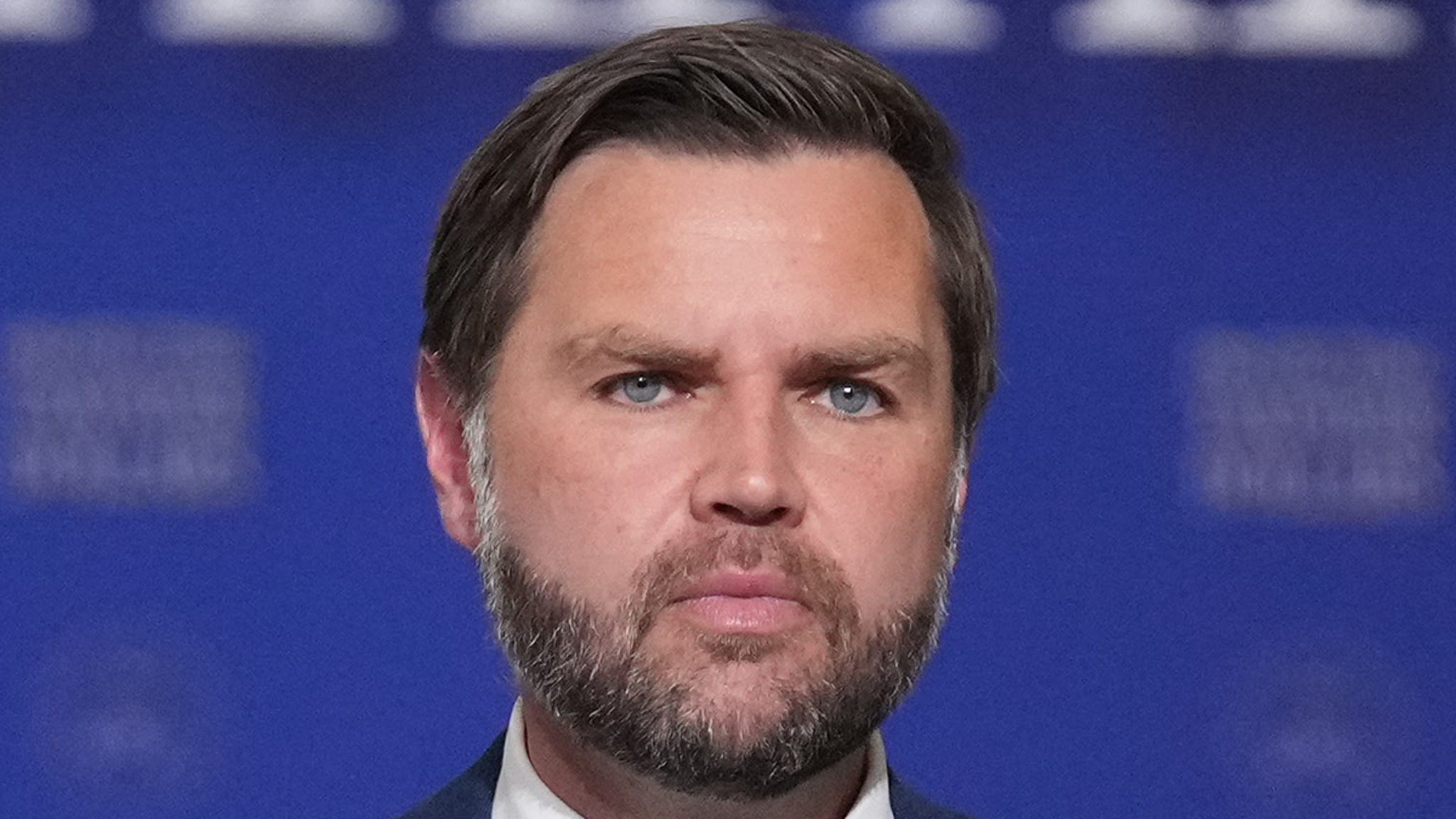
Vice Presidential Travel: Logistics, Security, and Public Scrutiny
Travel for a Vice President of the United States is a highly complex logistical undertaking, blending national security imperatives with diplomatic and political objectives. Whether for official duties or personal engagements, every movement requires a robust security apparatus, including Secret Service agents, military support, and often local law enforcement.
- Official Travel: When the Vice President travels on official business, all costs, including transportation, security, and accommodation for the detail, are covered by taxpayer funds. This is standard procedure for the execution of official duties.
- Personal Travel: The use of government assets for personal travel, while permissible under certain circumstances and with proper reimbursement, is often subject to heightened public and media scrutiny. The specific regulations vary but generally require the Vice President to reimburse the government for the equivalent of a first-class commercial airfare for personal use of government aircraft. The security detail, however, is a non-negotiable expense, regardless of the trip’s purpose, as the Vice President is a permanent protectee.
The MS NOW story’s focus on the alleged use of a Marine Corps helicopter for a golf lesson taps into a perennial debate about the appropriate use of taxpayer resources. While the flight was reportedly cancelled, the mere suggestion can fuel public perception concerns about privilege and accountability. The military aircraft, such as the VH-60N "White Hawk" or VH-3D "Sea King" operated by Marine Helicopter Squadron One (HMX-1), are maintained for the exclusive transport of the President, Vice President, and other senior officials, their deployment involving significant operational costs and logistical planning.
Reactions from Related Parties and the Broader Implications
While official statements have been carefully worded due to the ongoing nature of the investigation, the inferred reactions from various stakeholders provide insight into the gravity of the situation.
- Secret Service Leadership: The agency is expected to reaffirm its commitment to operational security and its "zero-tolerance" policy for unauthorized disclosures. A formal statement, while avoiding specifics, would likely emphasize the thoroughness of the internal review and the importance of maintaining public trust and the safety of its protectees. The agency’s reputation for unwavering loyalty and discretion is paramount.
- The White House and Vice President Vance’s Office: While acknowledging the Secret Service’s independent investigation, the Vice President’s office would likely express confidence in the security protocols and the professionalism of the agents. They might also subtly underscore the importance of protecting the Vice President’s family, especially children, from undue public exposure. Any suggestion of misusing resources would likely be countered by an assertion of adherence to all applicable rules and regulations.
- Congressional Oversight: Members of relevant congressional committees, such as the House Committee on Homeland Security or the Senate Committee on Appropriations, might issue statements expressing concern over both the security breach and the allegations of personal use of government resources. Calls for transparency and accountability are probable, potentially leading to hearings or requests for detailed reports once the investigation concludes.
- Ethics Watchdog Groups: Non-governmental organizations focused on government ethics and accountability would likely seize upon the allegations to advocate for greater transparency regarding the use of taxpayer-funded assets for personal travel by high-ranking officials. They would emphasize the need for strict enforcement of reimbursement rules and clear guidelines to prevent the blurring of lines between official duties and private life.
The incident carries several significant implications:
- Erosion of Trust: Leaks, regardless of their content, can erode trust within the Secret Service, potentially fostering an environment of suspicion among agents. This can negatively impact morale and cohesion, which are critical for effective protective operations.
- Security Vulnerabilities: Even seemingly minor operational details can contribute to a larger intelligence picture for potential adversaries. The incident forces a re-evaluation of information security practices within the agency.
- Political Fallout: The allegations surrounding Vice President Vance’s travel could become a political talking point, particularly if ongoing investigations reveal any impropriety or if the public perceives a misuse of funds. This could distract from the administration’s agenda and fuel criticisms from political opponents.
- Precedent for Whistleblowing vs. Leaking: The case also subtly touches upon the delicate balance between legitimate whistleblowing (reporting wrongdoing through official channels) and unauthorized leaking (disclosing information to the press). The Secret Service’s strong stance against the latter is intended to maintain control over sensitive information and ensure that internal issues are addressed appropriately.
Looking Ahead: The Path of the Investigation
The internal review, led by federal investigators, will meticulously examine digital footprints, communication records, and interview personnel to determine the source and scope of the leak. The agent on administrative leave will undergo a thorough process, which typically includes opportunities to respond to the allegations. Depending on the findings, the consequences could range from internal disciplinary actions to criminal charges if federal laws related to unauthorized disclosure of government information are found to have been violated.
The outcome of this investigation will not only determine the fate of the unnamed Secret Service agent but will also serve as a critical reminder of the unwavering commitment to operational security and the rigorous standards of conduct expected from those entrusted with protecting the nation’s leaders. As the probe continues, the public and the political establishment will watch closely for transparency and accountability, reinforcing the principle that even within the most discreet government agencies, public trust remains paramount.

0 Comments