
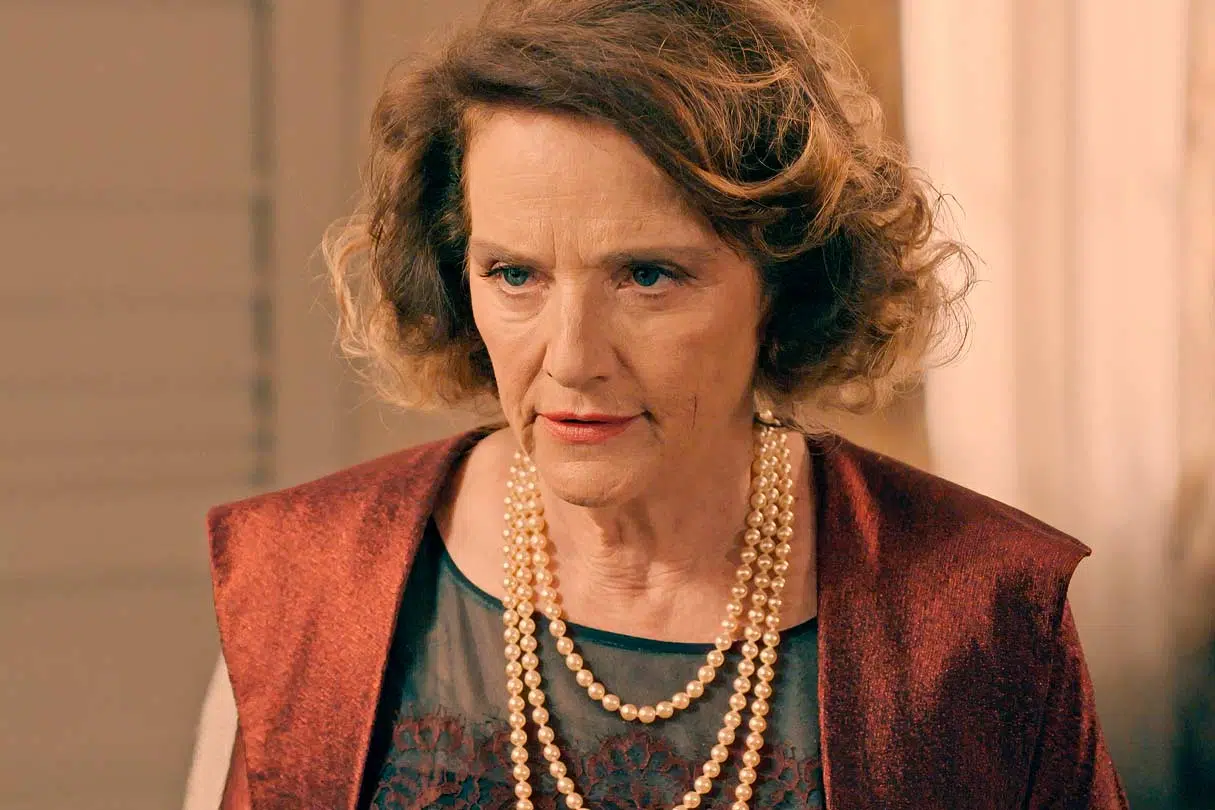
The narrative landscape of the popular Spanish period drama "Sueños de Libertad" is set to be significantly reshaped with the confirmed return of Doña Clara, portrayed by the acclaimed actress Marta Calvó. Her reappearance, scheduled for the episode airing on July 30th, marks a pivotal moment for the series, promising to unravel long-standing mysteries surrounding the death of Pelayo and introduce crucial developments in the ongoing murder investigation. Fans have eagerly awaited this return, as Doña Clara’s departure left several plot threads dangling, particularly her profound grief over the loss of her only son. Her absence created a void, transforming her into a character whose comeback was not just anticipated but considered inevitable for the resolution of key storylines.
The strategic reintroduction of Doña Clara is intrinsically linked to the eagerly awaited reading of Pelayo’s will. This event is poised to send ripples throughout the ensemble cast, with potentially significant ramifications for characters like Marta de la Reina, played by Marta Belmonte. Following her recent reunion with Fina (Alba Brunet), Marta de la Reina is on the cusp of a new chapter, which could be dramatically altered by the contents of Pelayo’s final testament. The revelation of Pelayo’s last wishes is not merely a procedural event; it is a narrative engine designed to stir dormant conflicts, resurrect past grievances, and fundamentally alter the trajectory of several characters’ lives. The intricacies of a last will and testament can often expose hidden motives, unresolved disputes, and unexpected beneficiaries, making this a focal point for dramatic tension.
Beyond the immediate impact of the will, Doña Clara’s return is also instrumental in advancing the investigation into Pelayo’s murder. While significant progress has been made in piecing together the events leading to his demise, the series has deliberately maintained an air of mystery, leaving certain aspects of the case unresolved. Doña Clara arrives armed with new information and perspectives, which are expected to shed further light on the complex circumstances of her son’s death. The murder of Pelayo was a watershed moment in "Sueños de Libertad," irrevocably altering the dynamics within the De la Reina family and their associates. The persistent questions surrounding his death continue to cast a long shadow, and Doña Clara’s involvement is crucial to bringing closure to this dark chapter. Her presence will undoubtedly re-center the narrative on this defining event, exploring its lasting consequences.
A significant layer of intrigue is added by the fact that Doña Clara remains unaware of the full truth concerning Pelayo’s final months. Prior to her departure from Toledo, she was not privy to the full extent of the complex and ultimately destructive relationship between her son and Fina, nor the decisions that irrevocably fractured his marriage. This carefully guarded secret holds the potential to become a major catalyst upon its revelation. The dramatic weight of this undisclosed information could be immense, particularly if it surfaces during this critical juncture in the series. The central question remains: how will Doña Clara react when she discovers that the idealized image she held of her son is at odds with the reality of his past actions and entanglements? This revelation could profoundly impact her understanding of past events and her relationships with other characters.
While her identity has often been closely tied to her role as Pelayo’s mother, Doña Clara has steadily evolved into a character of significant independent standing within "Sueños de Libertad." Her close bond with Marta has solidified her position as an integral part of the De la Reina family. Furthermore, her philanthropic endeavors as a benefactor of the Casa Cuna, an institution where Claudia and Begoña actively participate, further intertwines her narrative with ongoing storylines. Her renewed presence will also see her interacting with the young women working at the store, thus reintegrating her into the daily fabric of the family’s business enterprise. This multifaceted involvement underscores her transformation from a supporting figure to a character with her own agency and narrative relevance, demonstrating that her influence extends far beyond her maternal connection.
Marta Calvó’s established presence in the Spanish television landscape further amplifies the significance of her return to "Sueños de Libertad." With a distinguished career spanning television, film, and theater, Calvó has garnered acclaim for her roles in productions such as "Matadero," "Mar de plástico," "Gran Hotel," "Los Protegidos," "Servir y proteger," and "Amar es para siempre." In a recent interview with Cultura en Serie, Calvó expressed her deep affection for her time on "Sueños de Libertad" and highlighted the strong professional bonds she forged with co-stars Marta Belmonte and Alejandro Albarracín, with whom she shared some of the series’ most emotionally charged scenes. Interestingly, Calvó and Belmonte have a history of portraying mother-in-law and daughter-in-law roles, having previously shared the screen in "Servir y proteger," where their characters were also involved in a storyline marked by the death of a son. This prior professional synergy is likely to lend an added layer of authenticity and depth to their current on-screen dynamic.
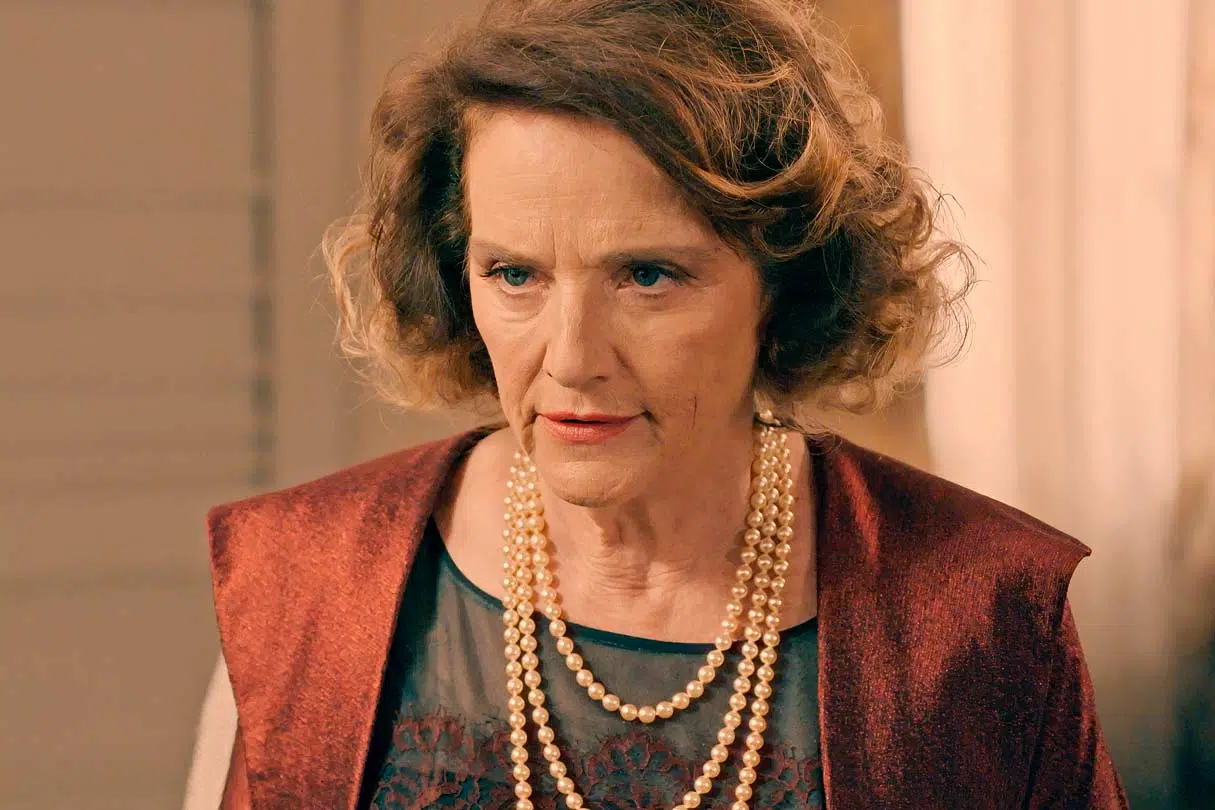
The artistic collaboration between Marta Calvó and Alejandro Albarracín extends beyond their roles in "Sueños de Libertad." While their characters, mother and son, no longer share screen time in the daily drama, their professional partnership continues in other capacities. Both actors are part of the cast of "Fedra en los infiernos," a production featured in the prestigious Festival Internacional de Teatro Clásico de Mérida 2026. This theatrical endeavor, scheduled to be performed at the Teatro Romano from August 12th to 16th, also stars Lydia Bosch and Julio Peña, among other notable performers. The continued collaboration between Calvó and Albarracín outside the confines of "Sueños de Libertad" serves as a testament to their enduring artistic compatibility and mutual respect.
The return of Doña Clara to "Sueños de Libertad" is not merely a narrative device but a strategic move to inject renewed energy and intrigue into the series. She arrives as a character with a wealth of unresolved business, poised to play a decisive role in what is shaping up to be one of the most crucial periods in the show’s ongoing narrative. Her presence promises to illuminate hidden truths, reignite dormant conflicts, and ultimately contribute to the overarching resolution of the central mysteries that have captivated audiences. The anticipation surrounding her reappearance underscores the impact of well-developed characters and their capacity to drive compelling storytelling forward.
The strategic timing of Doña Clara’s return, coinciding with the reading of Pelayo’s will and the ongoing murder investigation, suggests a carefully orchestrated narrative arc designed to maximize dramatic impact. The series has a proven track record of weaving complex plotlines, and Doña Clara’s re-entry is poised to be a significant turning point. The emotional resonance of her grief, coupled with her potential to uncover long-buried secrets, positions her as a pivotal figure in the unfolding drama. Her character’s journey from a grieving mother to an active participant in unraveling the truth adds a compelling dimension to the series’ already intricate tapestry.
The broader implications of Doña Clara’s return extend to the overall thematic concerns of "Sueños de Libertad," which often explore themes of family, loyalty, betrayal, and the enduring impact of the past. Her character embodies a sense of tradition and maternal strength, but also a vulnerability that makes her relatable to viewers. As she navigates the revelations surrounding Pelayo’s life and death, her personal journey will undoubtedly mirror larger societal and familial dynamics at play within the series’ historical setting. The series’ ability to consistently deliver engaging storylines and character-driven narratives is a testament to its creative team’s commitment to maintaining a high standard of production.
The narrative framework of "Sueños de Libertad" has consistently demonstrated an adeptness at managing multiple interwoven plotlines. The return of Doña Clara signifies a deliberate effort to tie together disparate threads and propel the central conflicts towards a more definitive resolution. Her character’s dual role as a grieving mother seeking answers and a potentially formidable force in uncovering the truth ensures that her presence will be felt across various storylines. This strategic deployment of key characters and plot points is a hallmark of successful long-running television dramas, and "Sueños de Libertad" continues to exhibit this strength. The audience’s investment in the characters and their fates is a direct result of such thoughtful narrative construction.
The integration of Doña Clara’s personal quest for truth with the larger machinations of the De la Reina family and their business empire is a testament to the show’s rich world-building. Her involvement in the Casa Cuna, for instance, connects her to the social fabric of the era and provides opportunities to explore the lives of other characters who are not directly within the immediate family circle. This holistic approach to storytelling ensures that "Sueños de Libertad" remains a dynamic and multifaceted narrative, offering viewers a comprehensive glimpse into the lives and struggles of its diverse cast of characters. The anticipation for her return is not just about solving mysteries; it is about witnessing the further development of a character who has become a beloved fixture in the series.

0 Comments