
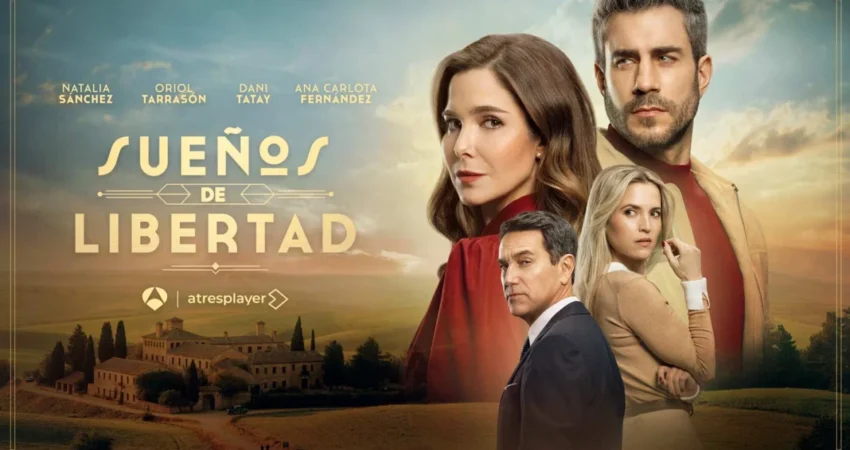
The critically acclaimed Spanish television series "Sueños de Libertad," a period drama captivating audiences with its intricate storytelling and strong performances, is set to be honored at the XVIII Festival del Cine y la Palabra, CiBRA. The series, starring Natalia Sánchez, Oriol Tarrason, and Dani Tatay, will be presented with the prestigious Toledo Film Award. This recognition underscores the series’ significant contribution to the audiovisual landscape and highlights its deep-seated connection with the historic city of Toledo, which plays a vital role in shaping its visual identity and narrative atmosphere.
The award ceremony, a cornerstone event of the festival, is scheduled to take place on November 7th at the Palacio de Congresos El Greco in Toledo. This year’s edition of CiBRA will also bestow the Toledo Film Award upon esteemed figures in the film industry: acclaimed director Jim Sheridan and renowned actor Sergio Peris-Mencheta, further cementing the festival’s commitment to celebrating cinematic excellence across different facets of filmmaking.
For "Sueños de Libertad," the accolade holds particular resonance. The award originates from a city that is not merely a backdrop for its compelling narratives but an intrinsic element of its storytelling. The series’ creators have masterfully woven the essence of Toledo into the fabric of the plot, utilizing its distinctive architecture, landscapes, and historical ambiance to imbue the fictional world with authenticity and depth. This symbiotic relationship between the series and its principal filming location transforms Toledo from a mere setting into an active participant in the unfolding drama, a veritable character in its own right.
Understanding CiBRA: A Nexus of Cinema, Literature, and Education
The Festival del Cine y la Palabra, or CiBRA, is a distinguished cultural event that has carved a unique niche by fostering a dynamic intersection between the audiovisual arts, literature, and education. Now in its eighteenth iteration, the festival is poised to run from October 23rd to November 7th, 2026, with its vibrant programming spread across the historic cities of Toledo and La Puebla de Montalbán. CiBRA’s comprehensive agenda is designed to engage a diverse audience, featuring exclusive pre-screenings of anticipated films, public viewings of notable works, and intimate encounters with the creative minds behind them.
Beyond film screenings, CiBRA is dedicated to enriching the cultural dialogue through literary presentations, educational initiatives, and dedicated forums for professionals within the audiovisual industry. This holistic approach, which acknowledges and celebrates the myriad ways in which stories are conceived and conveyed, ensures that the festival serves as a crucial platform for both established and emerging talent in film and television. The inclusion of "Sueños de Libertad" in this year’s awards ceremony, with a specific recognition tied to its territorial connection, further emphasizes CiBRA’s dedication to highlighting productions that have a tangible and meaningful relationship with the regions that host them.
"Sueños de Libertad": A Period Drama Anchored by Stellar Performances
"Sueños de Libertad" is a meticulously crafted production by Atresmedia, brought to life in collaboration with Diagonal, a part of the Banijay Iberia group. The series, created by Beatriz Duque and Verónica Viñé, has become a fixture in Spanish television, airing on Antena 3 during weekday afternoons and also accessible on the streaming platform atresplayer. Its narrative trajectory is set against the backdrop of Spain in the late 1950s, a period of significant social and economic transition.
The series meticulously constructs its universe around the fictional enterprise, "Perfumerías de la Reina." Within this opulent yet complex corporate world, the series delves into the intricacies of family dynamics, the relentless pursuit of business interests, and the often-turbulent landscape of romantic entanglements. Central to its appeal is the compelling journey of its characters as they strive for autonomy and self-determination in a society where such aspirations were often met with considerable resistance.
The ensemble cast, spearheaded by the commanding presence of Natalia Sánchez, the nuanced portrayal by Oriol Tarrasón, and the impactful performance of Dani Tatay, has been instrumental in the series’ success. Their collective talent has not only solidified "Sueños de Libertad" as a prominent fixture in the Spanish television landscape but has also propelled its reach and reception into international markets, garnering a global audience for its compelling drama.
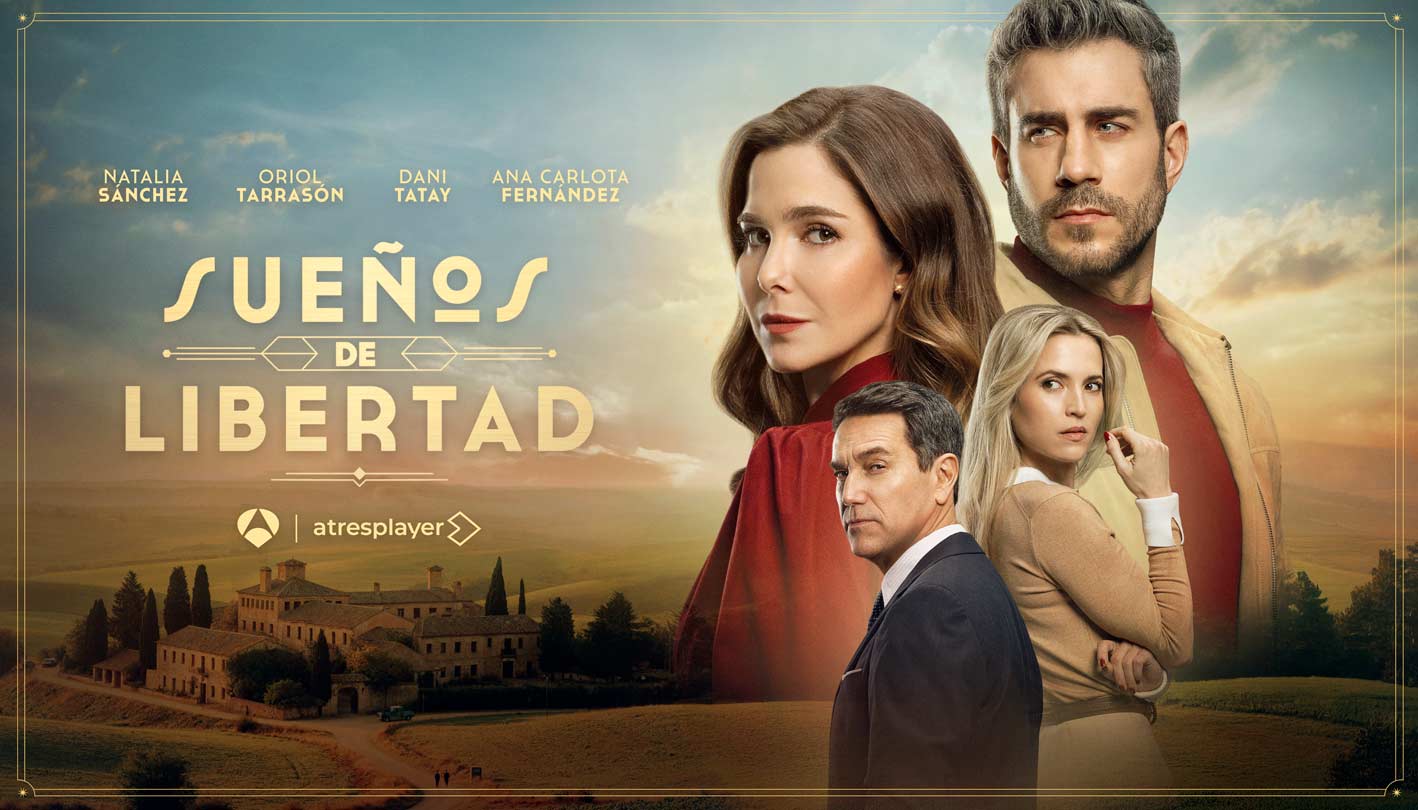
Toledo as a Character: The City’s Indispensable Role in "Sueños de Libertad"
The profound connection between "Sueños de Libertad" and the city of Toledo is not merely incidental; it is a deliberate and integral component of its narrative strategy. The series strategically places its unfolding drama within a locale that is instantly recognizable to viewers, leveraging the city’s unique architectural heritage and evocative landscapes to create a tangible world for the protagonists and, by extension, the audience.
A key filming location that embodies this deep connection is the Quinta de Mirabel. This historic "cigarral," a traditional Toledan country estate, has been instrumental in recreating the exterior settings associated with "Perfumerías de la Reina." The estate’s distinctive architecture, its meticulously designed gardens, and its surrounding environment collectively contribute to the series’ ability to transport viewers back in time, immersing them in the specific era it depicts. The visual poetry of these locations is not just decorative; it actively enhances the historical verisimilitude and emotional resonance of the narrative.
The selection of these specific locations was also driven by practical production considerations. The filmmakers sought out spaces that were relatively free from modern intrusions, offering a sense of historical depth and possessing the intricate details and secluded corners that could be seamlessly integrated into the storytelling. The abundant natural light and the characteristic Toledo landscape further contribute to the physical presence of the setting, profoundly influencing the visual staging and the actors’ interpretations, lending an almost palpable atmosphere to each scene.
Consequently, Toledo can be authentically regarded as more than just a backdrop; it functions as a distinct character within "Sueños de Libertad." Its enduring presence provides a narrative through-line, meticulously shaping the series’ overall atmosphere and providing a dynamic stage for the encounters, conflicts, and personal journeys that propel the storylines forward. The Toledo Film Award serves as a powerful acknowledgment of this duality: a recognition of a successful television production and a celebration of its profound and synergistic relationship with a city that actively participates in the creation of its visual identity, day after day.
Broader Implications and Industry Significance
The recognition of "Sueños de Libertad" by CiBRA, particularly with the Toledo Film Award, carries several significant implications for the Spanish television industry and regional filmmaking. Firstly, it highlights the growing trend of productions leveraging distinctive local landscapes and heritage to enhance their narrative and visual appeal. This approach not only enriches the viewer experience but also serves as a powerful form of cultural tourism and promotion for the featured regions.
Secondly, the award to "Sueños de Libertad" at a festival that bridges cinema, literature, and education emphasizes the sophisticated storytelling and high production values present in contemporary Spanish television. It signals that Spanish-produced series are not only competitive on a national level but are also capable of achieving international acclaim and garnering prestigious awards.
The inclusion of Jim Sheridan and Sergio Peris-Mencheta alongside the series in the Toledo Film Award category further elevates the festival’s prestige and the significance of the award itself. It creates a dialogue between different forms of cinematic artistry, from directorial vision to on-screen performance, and recognizes the collaborative nature of filmmaking.
For Toledo, this award is a testament to its enduring appeal as a filming location and its capacity to contribute meaningfully to cinematic productions. The economic and cultural benefits derived from such associations can be substantial, fostering local employment, supporting heritage preservation, and boosting the city’s profile on a national and international stage.
As "Sueños de Libertad" continues its successful run, its recognition at CiBRA solidifies its place in the annals of Spanish television and underscores the vital role that location and cultural context play in crafting compelling and memorable narratives. The festival, in turn, reinforces its position as a crucial platform for celebrating the art of storytelling in all its forms.

0 Comments