
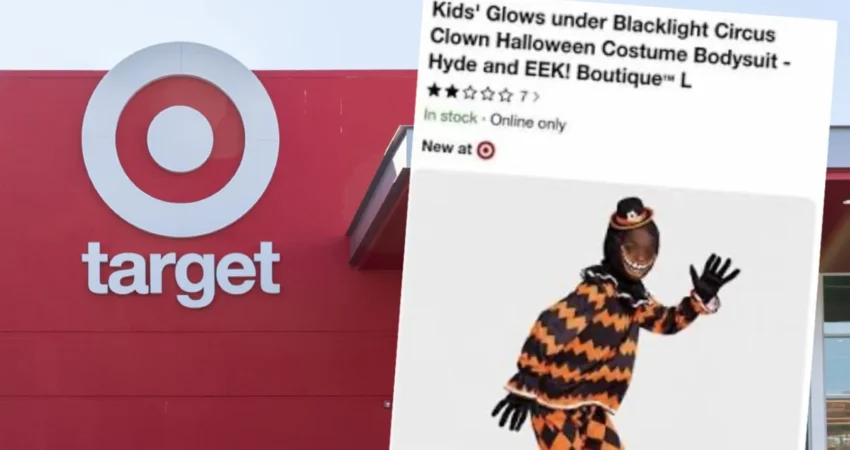
Retail giant Target has officially withdrawn a Halloween costume from its nationwide assortment following a significant wave of online criticism, with numerous social media users and advocacy groups asserting that the product’s design and associated imagery evoked racially offensive caricatures. The decision, announced on August 24, 2026, marks another instance of a major corporation facing scrutiny over product representation and cultural sensitivity. The company has since issued a formal apology, acknowledging a significant lapse in its internal review processes.
The Unveiling and Immediate Backlash
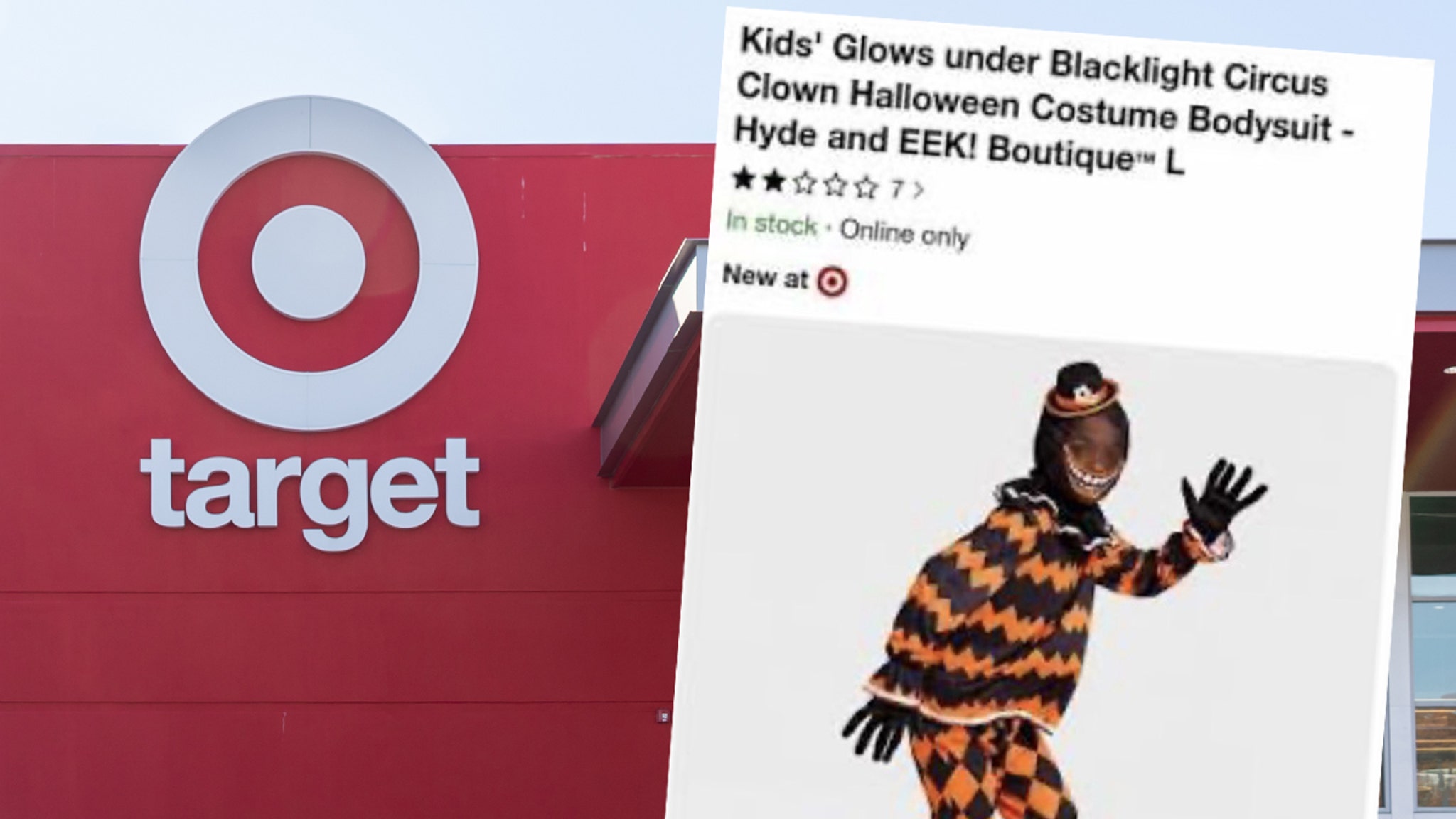
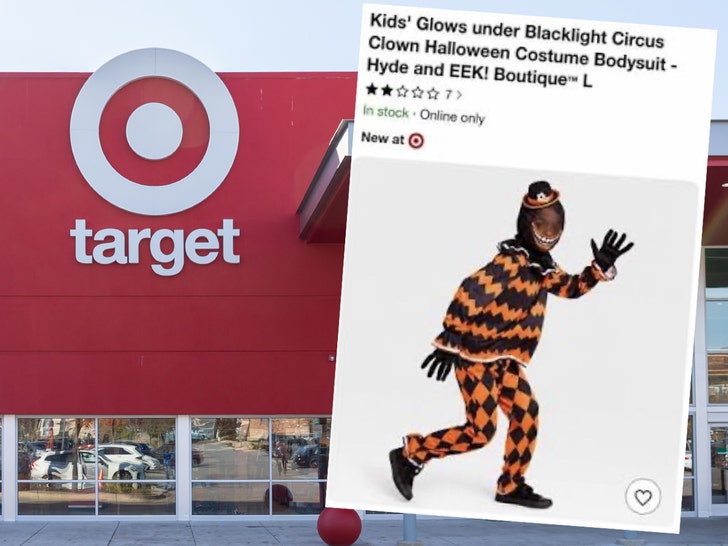
The costume in question, marketed as the "Kids’ Glows Under Blacklight Circus Clown Halloween Costume Bodysuit," initially appeared on Target’s e-commerce platform and in select store inventories. Promotional imagery for the product notably featured a young Black child model, which, combined with the costume’s specific design elements—described by critics as exaggerated features reminiscent of historical racist caricatures—quickly ignited a firestorm across various social media platforms. Within hours of its initial widespread visibility, screenshots and direct links to the costume began circulating, drawing widespread condemnation.
Critics were quick to draw parallels between the costume’s aesthetic and historically offensive portrayals of Black individuals, particularly those associated with minstrel shows and other forms of dehumanizing entertainment. The visual cues, though potentially unintentional on Target’s part, resonated deeply with a painful legacy of racial stereotyping. Social media users expressed profound disappointment and anger, questioning how such a product could navigate Target’s purportedly rigorous product development and approval stages without flagging these deeply problematic associations. The outrage swiftly trended across platforms like X (formerly Twitter), Instagram, and TikTok, transforming a product launch into a public relations crisis. Consumer advocacy groups and prominent social media influencers amplified the criticism, urging Target to immediately remove the item and issue an explanation.
Historical Context of Racist Caricatures
To understand the intensity of the backlash, it is crucial to delve into the historical context of racist caricatures in American culture. Images that exaggerate features, particularly those associated with Black individuals, have a long and painful history rooted in minstrelsy, a form of entertainment popular in the 19th and early 20th centuries. Minstrel shows frequently featured white performers in "blackface"—a theatrical makeup application that used burnt cork or greasepaint to darken skin—portraying Black people as buffoonish, lazy, or unintelligent characters. These portrayals were instrumental in perpetuating harmful stereotypes that justified racial discrimination and oppression.
Caricatures such as the "Jim Crow" figure, the "Jezebel," the "Mammy," and the "Sambo" became pervasive in popular culture, appearing in advertisements, literature, and everyday products. These images stripped Black individuals of their dignity and humanity, reinforcing a racial hierarchy that marginalized and dehumanized them. The visual language of these caricatures is deeply embedded in the collective memory of many communities, particularly within the Black community. Therefore, when a modern product, even inadvertently, echoes these historical visual tropes, it triggers a strong emotional and historical response, reminding individuals of a painful past and the ongoing struggle against systemic racism. The "clown" archetype, in particular, when combined with specific facial or bodily exaggerations, can easily cross into this sensitive territory, making the perceived resemblance to these historical caricatures a significant point of contention.
Target’s Swift Response and Apology
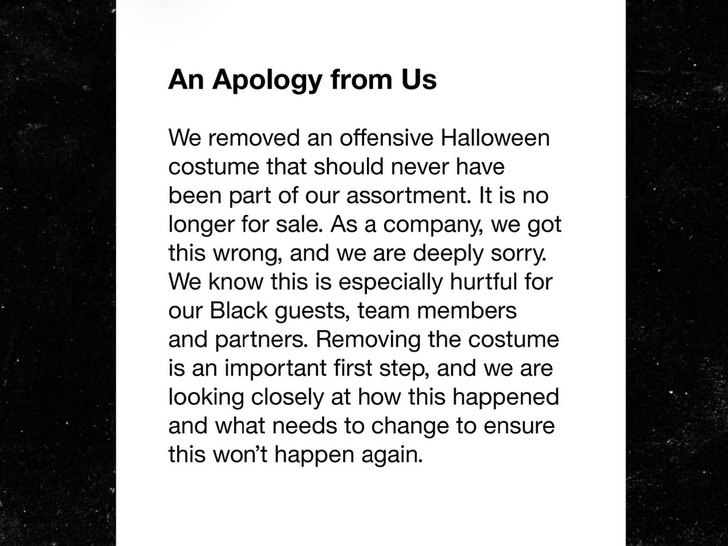
In response to the escalating public outcry, Target acted promptly to address the controversy. By the evening of August 24, 2026, the "Kids’ Glows Under Blacklight Circus Clown Halloween Costume Bodysuit" was no longer available for purchase online, and directives were issued for its removal from physical store shelves. Shortly thereafter, the company released a series of official statements, both on its corporate channels and in direct responses to media inquiries, to formally apologize for the oversight.
A spokesperson for Target stated, "We removed an offensive Halloween costume that should never have been part of our assortment. As a company, we got this wrong, and we are deeply sorry." The apology further emphasized the company’s understanding of the specific harm caused, acknowledging, "We know this is especially hurtful for our Black guests, team members and partners." This direct acknowledgment of the racial impact demonstrated an awareness of the nuanced nature of the criticism, moving beyond a generic apology for an "error" to address the specific community affected. The company affirmed that the product was definitively removed from sale and confirmed that internal investigations were immediately launched to ascertain how the costume managed to clear the various stages of product review, design, and merchandising without the offensive implications being identified. This commitment to internal review signals an attempt to prevent future recurrences and underscores the severity with which the company views such a lapse.
The Broader Implications for Corporate Responsibility
The incident at Target transcends a mere product recall; it highlights the intricate challenges faced by large corporations in maintaining cultural sensitivity and demonstrating genuine corporate responsibility in an increasingly diverse and interconnected global marketplace. The rapid virality of the backlash underscores the power of social media in holding brands accountable, where missteps can be amplified globally within minutes, leading to immediate reputational damage and potential financial repercussions.
For Target, a brand that prides itself on its inclusive marketing and diverse product offerings, this incident poses a significant threat to its carefully cultivated brand image. Consumer trust, once eroded, can be exceptionally difficult to rebuild. Studies consistently show that a significant percentage of consumers, particularly younger demographics, prioritize brands that align with their values and demonstrate ethical practices. A misstep like this can lead to consumer boycotts, decreased sales, and a negative perception that can linger for years. Beyond immediate sales, the controversy impacts employee morale, particularly among Black team members who may feel their employer has failed to protect them from offensive imagery. Furthermore, it raises questions about the diversity within Target’s own product development, marketing, and leadership teams—teams whose diverse perspectives are crucial in identifying potential cultural insensitivities before products reach the public. The incident serves as a stark reminder that corporate responsibility extends beyond legal compliance; it encompasses a proactive and continuous commitment to understanding and respecting the diverse cultural landscapes of their customer base.
The Role of Social Media in Driving Accountability
The speed and intensity with which the "Kids’ Glows Under Blacklight Circus Clown Halloween Costume Bodysuit" controversy unfolded underscore the unparalleled power of social media as a driver of corporate accountability. In an era where news travels at the speed of a retweet, brands are under constant scrutiny, and a single misstep can ignite a global conversation within hours. Platforms like X, Instagram, and TikTok provide immediate public forums for consumers to voice concerns, share grievances, and mobilize collective action.
Unlike traditional media, where information gatekeepers might filter or delay such stories, social media allows for direct, unfiltered communication between consumers and brands, often bypassing conventional public relations channels. This direct line enables rapid feedback loops that can quickly escalate a localized issue into a national or international crisis. The collective voice of thousands, or even millions, of individuals demanding action creates an undeniable pressure on corporations to respond swiftly and decisively. For Target, the immediate and widespread condemnation on social media left little room for delay. The rapid sharing of images and critical commentary made it impossible for the company to ignore the problem or manage it quietly. This incident is a prime example of how social media has democratized consumer advocacy, empowering individuals to collectively influence corporate behavior and force brands to re-evaluate their ethical frameworks and cultural competence. The digital age demands a new level of vigilance and responsiveness from companies, as the court of public opinion now convenes instantly and universally online.
Target’s Recent DEI History
This incident does not occur in a vacuum but rather against the backdrop of Target’s recent, and somewhat contentious, history with its Diversity, Equity, and Inclusion (DEI) initiatives. Approximately a year prior to this Halloween costume controversy, Target faced public criticism for reportedly scaling back some of its DEI programs. While specific details of these adjustments were not fully disclosed by the company, reports and internal communications suggested a recalibration of certain roles and initiatives aimed at promoting diversity within the organization and in its vendor partnerships.
DEI initiatives typically encompass a broad range of efforts, including workforce diversity goals, inclusive marketing practices, diverse supplier programs, and cultural competency training for employees. The decision to scale back any aspect of these programs can send mixed signals to employees, customers, and the broader public regarding a company’s commitment to these values. Critics argued at the time that such adjustments could undermine progress made in fostering an inclusive environment and potentially lead to oversights in areas like product review and marketing. The current Halloween costume controversy, therefore, is viewed by many as a direct consequence, or at least an unfortunate correlation, with the perceived weakening of Target’s internal mechanisms designed to identify and mitigate issues of cultural insensitivity. It highlights the importance of robust and continuously reinforced DEI frameworks not merely as performative gestures, but as integral components of a company’s operational integrity and brand protection strategy. The incident inevitably reopens the debate about the true depth of Target’s commitment to DEI and the effectiveness of its existing structures.
Industry-Wide Challenges and Best Practices
The challenges faced by Target are not unique to the company but reflect a broader industry-wide struggle for retailers in navigating complex cultural landscapes and avoiding missteps. The sheer volume of products developed, sourced, and marketed by large retailers makes comprehensive oversight a formidable task. However, the recurring nature of such controversies across various brands underscores a systemic issue that demands more robust preventative measures.
Leading best practices for retailers in this domain include:
- Diverse Product Development Teams: Ensuring that design, marketing, and review teams are genuinely diverse in terms of race, ethnicity, gender, and background, as diverse perspectives are crucial for identifying potential cultural blind spots.
- Rigorous Cultural Sensitivity Training: Implementing mandatory and ongoing training for all employees involved in product lifecycle management, focusing on historical context, unconscious biases, and the nuances of cultural appropriation and offensive imagery.
- Third-Party Cultural Audits: Engaging external experts or consultants specializing in cultural competency and DEI to conduct periodic audits of product lines, marketing campaigns, and internal processes.
- Community Engagement and Feedback Loops: Establishing formal channels for feedback from diverse community groups and advocacy organizations, allowing for proactive engagement and early detection of potential issues.
- Clear Ethical Sourcing and Design Guidelines: Developing explicit guidelines that prohibit designs, imagery, or themes that could be interpreted as racist, culturally appropriative, or otherwise offensive.
- Empowering Internal Whistleblowers: Creating an environment where employees feel safe and empowered to raise concerns about potentially offensive products without fear of reprisal.
The investment in these preventative measures, while significant, pales in comparison to the reputational and financial costs of a major public relations crisis. The retail industry is learning, often through costly errors, that cultural competence is not merely a "nice-to-have" but a fundamental business imperative in the 21st century.
Moving Forward: Lessons for Retailers
The removal of the "Kids’ Glows Under Blacklight Circus Clown Halloween Costume Bodysuit" and Target’s subsequent apology represent an immediate corrective action, but the broader implications necessitate a deeper introspection. For Target, the immediate next steps involve a thorough internal review of its product development, procurement, and approval processes. This includes scrutinizing vendor relationships, re-evaluating design guidelines, and reinforcing cultural sensitivity training across relevant departments. The company’s public commitment to understanding "what changes are needed to prevent something like this from happening again" will be closely watched by consumers and advocacy groups.
Beyond Target, the incident serves as a critical lesson for the entire retail sector. It underscores the ever-present need for hyper-vigilance in an increasingly diverse and socially conscious consumer landscape. The era of generic, one-size-fits-all marketing and product design is unequivocally over. Brands must proactively invest in cultural intelligence, cultivate diverse teams, and foster genuine inclusivity at every level of their operations—from the initial concept ideation to the final marketing campaign. Failure to do so not only risks public backlash and damage to brand equity but also signifies a fundamental disconnect with the values and expectations of modern consumers. The ongoing challenge for retailers is to move beyond reactive apologies to proactive strategies that embed cultural competency and ethical considerations into the very fabric of their business models, ensuring that inclusivity is not just a buzzword, but a lived reality.

0 Comments