
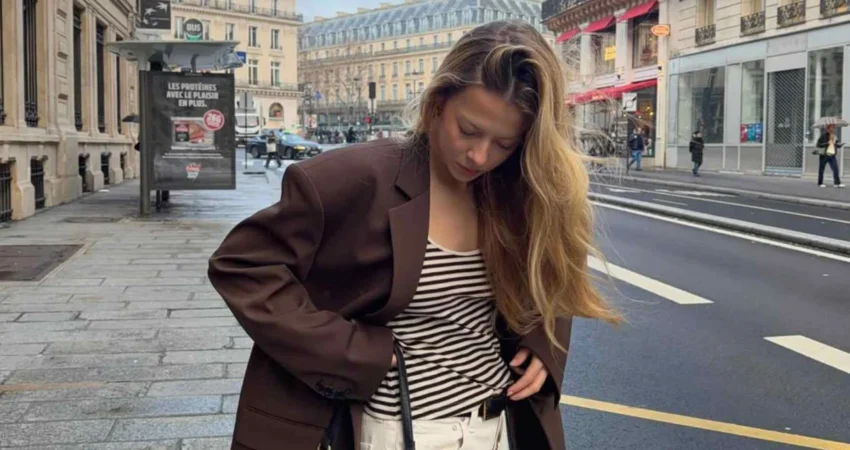
As the summer months fade and the vibrant energy of the holiday season gives way to the structured routine of the "rentrée," the global beauty industry is witnessing a significant pivot in aesthetic preferences. For the Fall-Winter 2026/27 season, hair color is no longer merely an accessory but a primary tool for self-reinvention. While the previous spring and summer seasons were dominated by high-maintenance platinum blondes and stark, high-contrast highlights, the upcoming cooler months are ushering in an era of "chromatic richness." Industry experts, led by renowned stylist and salon owner Alex Sestelo, suggest that the trend cycle is moving away from artificial cool tones toward a more organic, health-centric palette that emphasizes shine, depth, and multidimensionality.
The transition from summer to autumn often prompts a psychological desire for renewal. In the realm of professional styling, this "new beginning" is frequently expressed through significant changes in hair length and color. While the "afterbob"—a evolved, slightly longer version of the classic bob—remains the haircut of choice for the season, it is the sophisticated application of color that truly defines the look for 2026/27. The prevailing philosophy among top-tier colorists is that hair should reflect light like high-quality textiles, such as silk or velvet, moving away from flat, monochromatic finishes in favor of complex, layered hues.

The Evolution of the Seasonal Palette: From Contrast to Dimension
The hair color landscape for the 2026/27 winter season is rooted in the concept of "Quiet Luxury," a movement that has transitioned from fashion runways into the hair salon. According to Alex Sestelo, this autumn marks a definitive evolution in how color is perceived and applied. "The autumn will bring a clear evolution toward deep, warm tones full of shine," Sestelo explains. He notes that the extreme contrasts and ultra-light blondes of previous years are being replaced by colors that project a sensation of health and meticulous care.
The shift is supported by consumer data from the professional hair care sector, which indicates a 22% increase in requests for "gloss treatments" and "acidic color" services over the last six months. These services focus on sealing the hair cuticle to enhance natural shine rather than stripping the hair of its natural pigments. This data reflects a broader societal shift toward "skinification" of hair—treating the scalp and strands with the same level of care and nutritional focus as one would treat facial skin.
The Dominance of Deep Brunettes: Intense Chocolate and Moka
Leading the trend forecast are the deep, indulgent shades of chocolate and moka. These are not the flat dark browns of the past; rather, they are "hyper-glossy" iterations of brunette that incorporate subtle undercurrents of gold and mahogany. These tones are designed to provide an elegant frame for the face, intensifying the wearer’s gaze and providing an immediate visual boost to the hair’s perceived density.

Expert colorists suggest that these shades are particularly effective for individuals looking to repair the visual damage caused by summer UV exposure and chlorine. By depositing pigment and using low-volume developers, stylists can restore the hair’s structural appearance. The "Moka" variant, specifically, utilizes a blend of cool and warm brown tones, making it a versatile choice for a wide range of skin undertones. The goal is a finish that looks expensive and "lived-in," avoiding the harshness often associated with DIY dark dyes.
The Refinement of Dark Tones: Espresso and Coffee Brown
For those seeking a more sober and refined aesthetic, the espresso and coffee brown palette offers a sophisticated alternative. These shades are characterized by their "cool-warm" balance. While they appear dark and moody, they contain enough warmth to prevent the skin from appearing sallow during the winter months when natural tans fade.
"These tones especially favor fair or olive skin because they create a refined contrast, projecting a polished and very clean image without losing naturalness," Sestelo notes. The application technique for espresso tones in 2026/27 often involves a "color melting" process, where the roots are kept slightly deeper and the mid-lengths and ends are infused with translucent coffee-colored glazes. This creates a subtle gradient that mimics the way light hits natural hair, providing a three-dimensional effect that is often missing in traditional single-process coloring.

The Return of Warmth: Soft Coppers and Cinnamon
Perhaps the most significant departure from the "ashy" trends of the early 2020s is the resurgence of copper and cinnamon. For Fall-Winter 2026/27, the "strawberry blonde" and "cowboy copper" of previous seasons have evolved into more sophisticated, spicy reds. These are "soft" coppers—less about neon vibrancy and more about a glowing, candlelit warmth.
These shades are particularly recommended for individuals with fair skin or freckles, as the warm pigments interact with the skin’s natural undertones to create a "blurring" effect on imperfections and a brightening effect on the eyes. The industry has seen a notable increase in the development of copper-specific maintenance products, as brands respond to the high demand for these pigments. Stylists emphasize that the 2026/27 version of copper is "spiced," meaning it contains hints of brown and gold to ensure the color looks sophisticated rather than experimental.
The New Blonde: Creamy Beige, Honey, and Hazelnut
Blondes are not disappearing for the winter; they are simply warming up. The "Scandi-blonde" and icy platinum looks are being set aside in favor of "Butter Blondes" and "Honeyed Beige." This shift is practical as well as aesthetic, as warmer blondes are generally less damaging to the hair fiber and require fewer chemical interventions to maintain.

Sestelo highlights that these creamy blondes have a rejuvenating effect. "They feel great because they soften the skin tone, provide light in a very natural way, and achieve a rejuvenating and illuminating effect on the face," he asserts. The hazelnut blonde, in particular, is emerging as a favorite for those who want to maintain a light appearance without the constant upkeep of a traditional blonde. By incorporating "hazelnut" lowlights, stylists can create a bridge between the hair’s natural base and the lighter highlights, resulting in a seamless growth period.
The Hybrid Champion: Customized ‘Bronde’
For the undecided or the low-maintenance enthusiast, the "Bronde" remains the gold standard of hair coloring. A perfect marriage of brunette and blonde, the 2026/27 Bronde is highly customized. It utilizes techniques like balayage and "babylights" to strategically place points of light where they best suit the individual’s bone structure.
The beauty of the Bronde lies in its versatility. It can be adjusted to be "cooler" for those with pink undertones or "warmer" for those with golden skin. Furthermore, because it often leaves the natural root color intact or uses a "root smudge," it allows for a much longer interval between salon visits. This economic and time-saving aspect has made it a staple in the modern woman’s beauty repertoire, especially in a climate where "effortless" beauty is highly prized.

Industry Implications and the "Healthy Hair" Movement
The shift toward these specific colors reflects a broader trend in the global beauty market: the prioritization of hair health over drastic transformation. The colors selected for Fall-Winter 2026/27 are those that can be achieved with minimal oxidative stress. Major manufacturers like L’Oréal and Wella have reported a surge in the production of ammonia-free dyes and oil-based delivery systems, which align with the "deep and shiny" aesthetic described by Sestelo.
Furthermore, the rise of these trends is inextricably linked to the fashion industry’s current obsession with "tactile" luxury. As winter wardrobes shift toward heavy wools, cashmeres, and silks, hair color is being designed to complement these textures. A high-shine, moka-colored mane provides the perfect visual balance to a matte wool coat or a structured leather jacket.
Summary of Maintenance and Longevity
While these trends lean toward health, professional maintenance remains a critical component of the 2026/27 look. Experts suggest the following for those adopting the new seasonal palette:

- Sulfate-Free Cleansing: Essential for preserving the "richness" of chocolate and copper tones, which are prone to oxidation.
- Glossing Appointments: A mid-season "clear gloss" or "toning glaze" is recommended to maintain the multi-dimensional shine that defines this year’s trends.
- Thermal Protection: Since the look relies on light reflection, preventing heat damage is paramount to keeping the hair cuticle smooth.
As the season progresses, the hair color choices of 2026/27 will likely be remembered for their return to classic elegance. By embracing warmth, depth, and the natural movement of light, the modern consumer is choosing a look that is as sustainable for the hair’s health as it is visually striking. Whether it is the intensity of an espresso brown or the soft glow of a cinnamon copper, the message for this winter is clear: beauty is found in the richness of the details.

0 Comments