
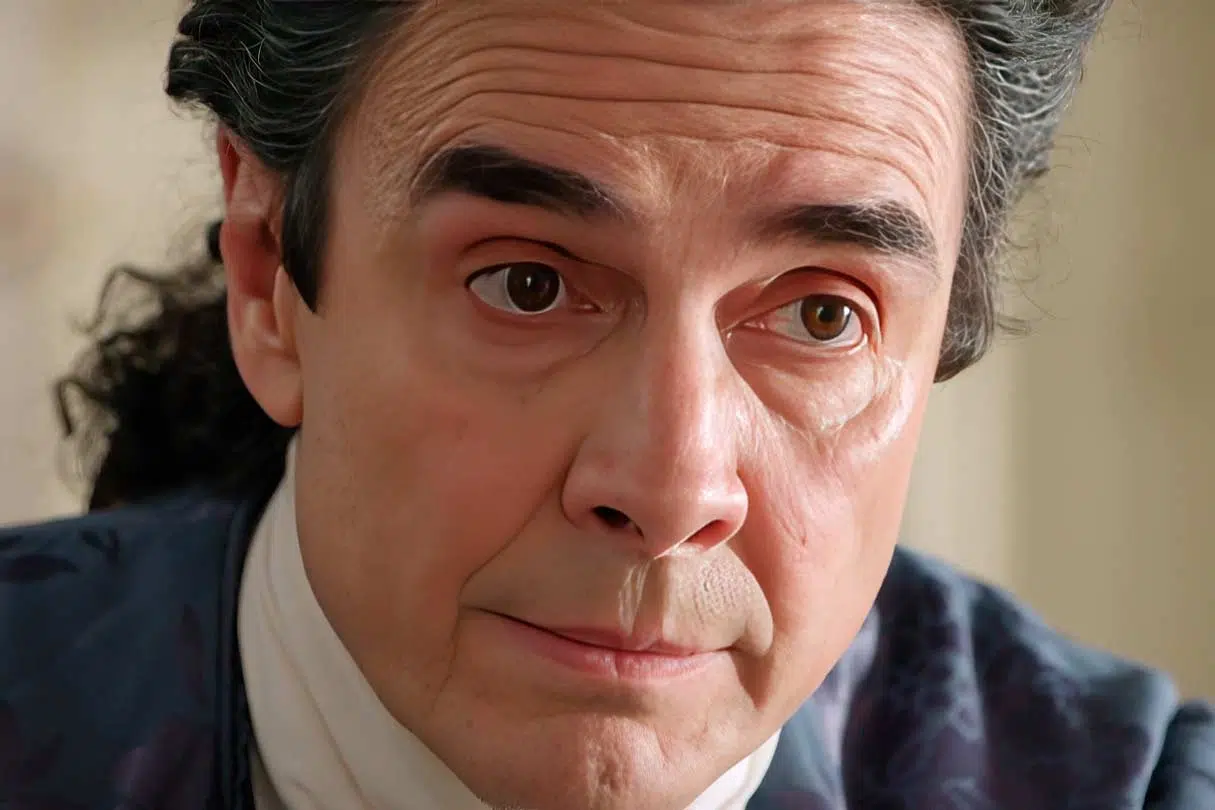
The long-simmering tensions between Rafael, the current Duke of Valle Salvaje, and his father, José Luis, have erupted into a direct confrontation, marking a potential turning point in the power dynamics of the esteemed ducal family. In a dramatic encounter that eschewed pleasantries for unvarnished demands, José Luis confronted his son with a singular objective: to reclaim the ducal title and estates he relinquished years prior. This audacious request, reportedly weeks in the making, signals a deep-seated ambition and a refusal to accept the current status quo.
The confrontation, as detailed in recent reports, unfolded with a palpable sense of distrust. José Luis, aware of his son’s guarded demeanor, opted for a carefully crafted strategy, weaving a narrative that blended a calculated admission of past misjudgment with a thinly veiled assertion of his own ambition. "I failed to see it in its moment," he reportedly stated, an acknowledgment that, while framed as remorse, appeared more strategic than genuinely penitent. This attempt to soften his son’s resolve, however, proved insufficient against Rafael’s firm stance.
Rafael, far from being swayed by his father’s apparent contrition, immediately countered by recalling the circumstances under which he inherited the title. He pointedly reminded José Luis that it was his father who had compelled him to accept the ducal responsibilities when they were first offered, an act Rafael characterized as profoundly unjust. This accusation hung heavy in the air, highlighting the complex and often strained history between father and son. José Luis, absorbing this criticism, shifted his approach, attempting to frame his current plea as a consequence of his own evolution. "Now I see how unjust I was to you, and that has made me change," he is reported to have said.
However, Rafael remained unconvinced, his suspicions piqued by this sudden paternal solicitude. His inquiry, "Is there something you are not telling me?", delivered with a palpable air of vigilance, underscored his belief that ulterior motives lay beneath his father’s words. José Luis’s denial of any hidden agenda did little to de-escalate the situation. Instead, the discourse took a more aggressive turn as José Luis invoked his perceived duty to the family’s legacy, suggesting that Rafael’s leadership was steering the ducal house toward ruin.
A Father’s Ultimatum and a Son’s Defiance
José Luis, while acknowledging his son’s efforts, questioned his competence, asserting, "We don’t need effort now; we need expertise and experience. And in that, dear son, I have a slight advantage over you." This condescending remark, aimed at undermining Rafael’s authority and experience, represented a significant escalation. The most poignant and perhaps most damaging barb came when José Luis invoked the memory of his late wife, Rafael’s mother, in an attempt to exert further pressure: "I know your mother would agree with me."
This invocation of his deceased mother proved to be the breaking point for Rafael. He reacted with palpable anger, issuing a stern warning: "Do not mention my mother again to achieve your purpose." The air in the salon reportedly grew heavy with the weight of his words, a testament to the deep emotional chord struck by his father’s manipulative tactic.
Undeterred, Rafael launched a counteroffensive, dismantling his father’s claims with sharp, incisive arguments that highlighted José Luis’s mismanagement. He alluded to undisclosed debts that he believed his father was incapable of settling, and he directly confronted his father on his fundamental error: a perceived misunderstanding of the true value of the ducal estate. "The lands are what make this family prosper. You would never sacrifice them to preserve the palace," Rafael stated, a devastating critique of his father’s priorities.
Rafael’s concluding remark, a stark assessment that such a decision would not be made "by anyone with two wits about them," effectively relegated his father to a position of incompetence and poor judgment. The Duke’s refusal to yield the title, therefore, was not merely a personal slight but a rejection of his father’s wisdom and foresight, leaving José Luis exposed and fundamentally discredited in the eyes of his son.
The Deepening Chasm and Looming Conflicts
This outright rejection by Rafael has not resolved the underlying conflict; rather, it has intensified it, setting the stage for further confrontation. José Luis, now cornered, is reportedly preparing to shift his strategy from persuasion to coercion, allegedly resorting to blackmail. Concurrently, a figure named Don Hernando is said to be orchestrating a separate plan to seize control of the ducal estates from Rafael. Adding another layer of complexity and foreboding, Enriqueta has issued a dire warning: reclaiming the ducal title may not absolve José Luis of his existing financial obligations.

The struggle for power within the ducal house of Valle Salvaje has thus entered a new, more volatile phase. The era of diplomatic overtures has concluded, replaced by an open conflict between a father unwilling to relinquish control and a son who has found the strength to resist. This escalating feud threatens to destabilize not only the family’s internal structure but also the long-standing traditions and economic stability of the Valle Salvaje estate.
Historical Context and Precedents
The House of Valle Salvaje boasts a lineage stretching back centuries, its prominence built upon vast agricultural holdings and shrewd political alliances. Historically, the transfer of ducal authority has been a carefully managed process, often involving extensive preparations and the tacit approval of family elders and key advisors. However, the circumstances surrounding Rafael’s ascension and his father’s subsequent withdrawal from active management are viewed by some within the estate’s historical circles as an anomaly.
Records indicate that the ducal title was originally vested in José Luis following the death of his own father. His decision to step down and pass the mantle to Rafael was reportedly met with surprise, as it deviated from established patterns of succession within the family. While the exact reasons for this transfer remain a subject of speculation, whispers of financial strain and a desire for a less demanding role for José Luis have circulated for years.
The estate itself, encompassing thousands of hectares of fertile land, has historically been the bedrock of the family’s wealth and influence. Its agricultural output, particularly its renowned vineyards and olive groves, has been the primary engine of economic prosperity. Any threat to the integrity or management of these lands carries significant implications for the entire region, affecting local employment, trade, and the broader agricultural economy. The potential for mismanagement, as alluded to by Rafael, could have far-reaching consequences, impacting not only the ducal family but also the numerous tenant farmers and workers who depend on the estate’s stability.
The Economic Landscape of Valle Salvaje
The economic viability of Valle Salvaje is intrinsically linked to its agricultural output. The region is known for its premium wines and artisanal olive oil, products that command significant prices in both domestic and international markets. Historically, the family’s wealth has been closely tied to the success of these ventures. Any disruption to their production or distribution could lead to substantial financial losses.
Reports from agricultural economists specializing in the region suggest that the current market conditions favor estates with strong financial management and strategic investment in sustainable practices. The ability to adapt to changing climate patterns, market demands, and evolving consumer preferences is crucial for long-term prosperity. Rafael’s emphasis on the importance of the land suggests an understanding of these economic realities, while his critique of his father’s potential actions implies a concern for the preservation of these vital assets.
The potential for inherited debt, as hinted at in the confrontation, could significantly hamstring any efforts to modernize or expand the estate’s operations. High levels of indebtedness can lead to forced sales of assets, restrictive loan covenants, and a general inability to invest in future growth. This financial precariousness, if real, would place an immense burden on whoever holds the reins of power in Valle Salvaje.
Analysis of Implications
The escalating conflict between José Luis and Rafael has profound implications for the future of the Valle Salvaje ducal house.
- Succession Crisis: The open dispute over the ducal title represents a significant crisis in leadership succession. The unresolved nature of this conflict could lead to prolonged instability, affecting the estate’s governance and operational continuity.
- Financial Instability: If José Luis’s alleged debts are substantial, they could jeopardize the financial health of the entire estate, potentially leading to asset seizures or a significant reduction in the family’s overall wealth and influence.
- Regional Impact: The economic health of Valle Salvaje is often seen as a barometer for the broader regional economy. A destabilized ducal house could have ripple effects on local employment, investment, and agricultural markets.
- Familial Legacy: The public nature of this dispute risks tarnishing the reputation of the Valle Salvaje family, a name historically associated with honor and stability. The outcome of this struggle will undoubtedly shape how future generations perceive this era.
- Legal Ramifications: Depending on the nature of the alleged debts and any potential blackmail attempts, the conflict could spill over into legal arenas, further complicating the situation and potentially involving external authorities.
The confrontation between father and son is more than just a personal dispute; it is a critical juncture that will likely determine the trajectory of the Valle Salvaje legacy for years to come. The coming weeks and months are expected to reveal the full extent of the challenges facing the ducal house as the open war for control intensifies.

0 Comments