
 Eva Lovia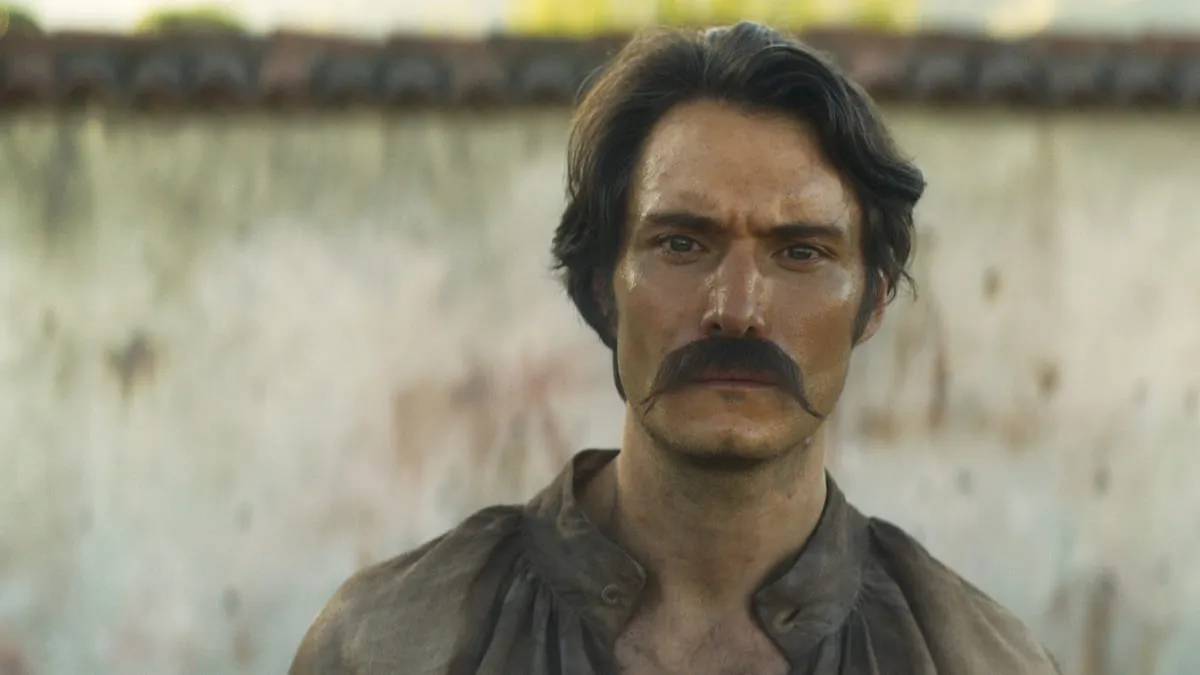
Netflix has officially entered the final stages of its ambitious adaptation of Gabriel García Márquez’s seminal novel, "One Hundred Years of Solitude," with the release of the trailer and key art for the second part of the series. This highly anticipated installment is set to premiere on August 5th, culminating in a grand finale scheduled for August 26th, promising to bring the epic saga of the Buendía family to its definitive conclusion.
The Twilight of Macondo: A Glimpse into the Final Act
The newly released visuals offer a profound and sweeping preview of the fate awaiting the Buendía dynasty in the mythical town of Macondo. The imagery delves into the inexorable passage of time, the disruptive arrival of progress and its subsequent repercussions, the escalating tensions between successive generations of the family, and the profound transformation of a town that once stood as a beacon of splendor, now succumbing to an inevitable decline. All these narrative threads converge towards the fabled curse that has haunted the Buendía lineage since its very inception, casting a long shadow over their destinies.
The trailer not only sets the stage for the dramatic climax but also provides an initial look at the ensemble cast tasked with embodying the new generation of characters. Julián Román steps into the dual role of the Buendía twins, a pivotal and complex undertaking. María Adelaida Puerta embodies the enduring spirit of Amaranta Buendía, while Ángela Cano portrays Petra Cotes, a character whose influence on the family’s fortunes is significant. Carla Baratta takes on the role of Fernanda del Carpio, whose arrival marks a turning point for the Buendía household. Daniella Reyes embodies the ethereal beauty of Remedios, the Beauty, and Juanita Molina portrays Meme, a character whose choices resonate deeply within the family’s intricate tapestry. These new faces are tasked with bringing to life characters that readers of García Márquez’s masterpiece have been envisioning for decades.
However, two returning performances carry particular weight, anchoring the narrative as the story hurtles towards its end. Claudio Cataño reprises his commanding presence as Colonel Aureliano Buendía, a character whose revolutionary fervor and profound solitude defined much of the early narrative. Marleyda Soto returns as the indomitable matriarch Úrsula Iguarán, a figure whose longevity and resilience have been central to the family’s endurance. These two stalwarts, foundational to the series’ initial chapters, re-emerge in a story where time itself becomes an all-consuming force, devouring all in its path, especially those who desperately attempt to resist its relentless march.
Narrative Arc: From Armistice to Banana Republic Ruin
The narrative of this second part picks up in the aftermath of a signed armistice, yet the fragile peace fails to settle over Macondo. The conservative factions, deeply unsettled by the Colonel’s perceived threats, orchestrate an assassination attempt. Fate, however, intervenes in unexpected ways, leading to the arrival of Fernanda del Carpio from Bogotá. Her subsequent marriage to Aureliano Segundo, one of the twin sons of the illegitimate Arcadio, grants Úrsula her first legitimate heirs, introducing a new dynamic to the family’s lineage. Concurrently, José Arcadio Segundo, Aureliano’s twin, endeavors to fulfill the patriarch’s grandest aspirations by connecting Macondo to the outside world. The introduction of the train serves as a catalyst, ushering in the arrival of the banana company, a force that ultimately unleashes the destructive energies that precipitate the town’s irreversible downfall.
Production Context and Thematic Resonance
This concluding segment of the adaptation represents the most ambitious undertaking of the novel, arguably the most challenging to translate to the screen. The initial installments of the series have already demonstrated the production’s unwavering commitment to fidelity and scope. The decision to film entirely in Colombia, to produce the series in its original Spanish language, and to secure the endorsement of the García Márquez family were not mere statements of intent but formed the foundational pillars upon which the entire series has been built. These core principles remain firmly in place as the adaptation approaches its culmination.

The paramount question that lingers is whether the series can successfully sustain the immense thematic weight of a conclusion that is, in the novel, both profoundly epic in scale and microscopically intimate in its focus. The decline of an entire town is meticulously chronicled through the repeated missteps and cyclical errors of a single family. The curse of the Buendías is not a supernatural phenomenon but a profound and tragic inability to learn from the past. Translating this subtle yet devastating truth to the visual medium hinges on the nuanced portrayal of intricate details rather than grand, sweeping vistas. The series’ success in capturing this essence will be the ultimate measure of its triumph.
A Condensed Timeline for a Century of Storytelling
The release schedule itself underscores the narrative’s accelerated pace towards its inevitable conclusion. With two key dates in August, viewers are being given just three weeks to witness the unfolding of one hundred years of history, love, war, and inevitable decay. Macondo’s days are indeed numbered, and Netflix is poised to deliver the final chapters of this literary and cinematic event.
August 5th: The second part of "One Hundred Years of Solitude" premieres, commencing the final act of the Buendía saga.
August 26th: The grand finale airs, bringing the epic narrative of Macondo and its inhabitants to a definitive close.
Background and Significance of the Adaptation
The journey of adapting "One Hundred Years of Solitude" has been a long and complex one, fraught with the challenges of capturing the magical realism and profound thematic depth of Gabriel García Márquez’s Nobel Prize-winning novel. First published in 1967, the book became an instant global phenomenon, lauded for its innovative narrative structure, its exploration of Latin American history and identity, and its unforgettable characters. For decades, attempts to adapt it for the screen were met with considerable skepticism, with many believing the novel’s complexity and unique tone to be untranslatable.
Netflix’s commitment to a Spanish-language production, filmed on location in Colombia, was a deliberate and crucial decision to honor the source material’s cultural and linguistic roots. This approach aimed to immerse audiences in the authentic atmosphere of Macondo, a fictional town that has become synonymous with Latin American literary imagination. The involvement of the García Márquez family, particularly his children Rodrigo García and Gonzalo García Barcha as executive producers, provided an invaluable layer of authenticity and creative guidance, ensuring that the spirit of their father’s work would be respected.
Broader Impact and Implications
The successful adaptation of "One Hundred Years of Solitude" holds significant implications beyond its immediate viewership. It represents a landmark achievement in global storytelling, demonstrating that complex literary works from diverse cultural backgrounds can be translated into compelling visual narratives that resonate with international audiences. The series’ success could pave the way for further ambitious adaptations of iconic global literature, fostering a greater appreciation for storytelling across borders and languages.
Furthermore, the series serves as a powerful cultural touchstone, introducing a new generation to the enduring legacy of Gabriel García Márquez and the rich tapestry of Latin American literature. The themes of solitude, memory, history, and the cyclical nature of human experience explored in the novel remain profoundly relevant today, offering viewers a chance to reflect on these universal concepts through the lens of the Buendía family’s extraordinary and tragic journey. As Macondo’s final moments unfold, the series leaves behind a legacy that extends far beyond the confines of its narrative, solidifying its place as a significant cultural event.

 Julia Chirkova
 Julia Prastini
 Jia Lissa
 admin
admin
 Raisa Andriana