
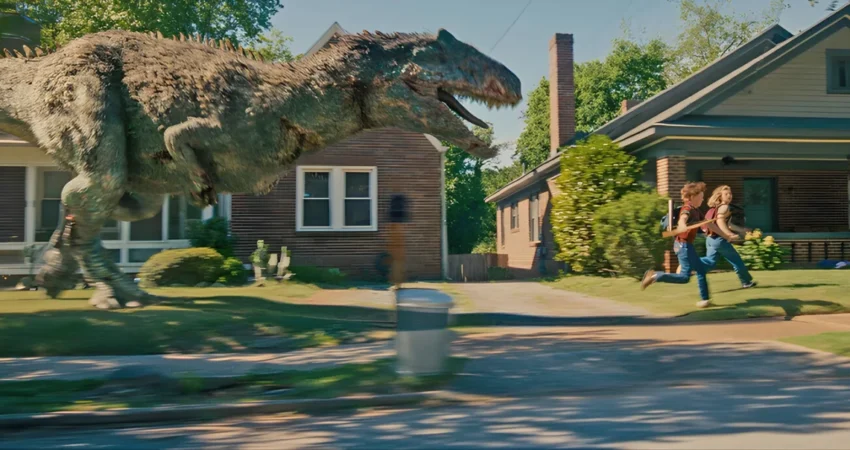
The landscape of modern science fiction has long been dominated by established franchises, yet the arrival of The End of Oak Street on the HBO Max streaming platform has demonstrated that original concepts—when paired with high-caliber talent and a unique genre blend—can still command significant audience attention. Produced by J. J. Abrams’ Bad Robot and directed by the visionary David Robert Mitchell, the film has rapidly ascended to the number one position on the platform’s weekly charts. This surge in viewership follows a successful, albeit understated, theatrical run that saw the film grossing $121 million globally. By weaving together the high-stakes tension of prehistoric survival with the complex emotional layers of a family drama, The End of Oak Street has managed to carve out a distinct niche in a crowded cinematic market.
Narrative Architecture: Beyond the Prehistoric Premise
At its core, The End of Oak Street follows the Platt family, a unit already fractured by internal marital strife and the typical anxieties of suburban life. However, their domestic issues are rendered secondary when a localized cosmic anomaly strikes their neighborhood. In a sequence praised by critics for its technical execution and unsettling pacing, the entire street is physically displaced, transported 200 million years into the Earth’s past. The family finds themselves stranded in a late Triassic/early Jurassic environment, a world defined by its hostility and the presence of apex predators that have not walked the Earth for eons.
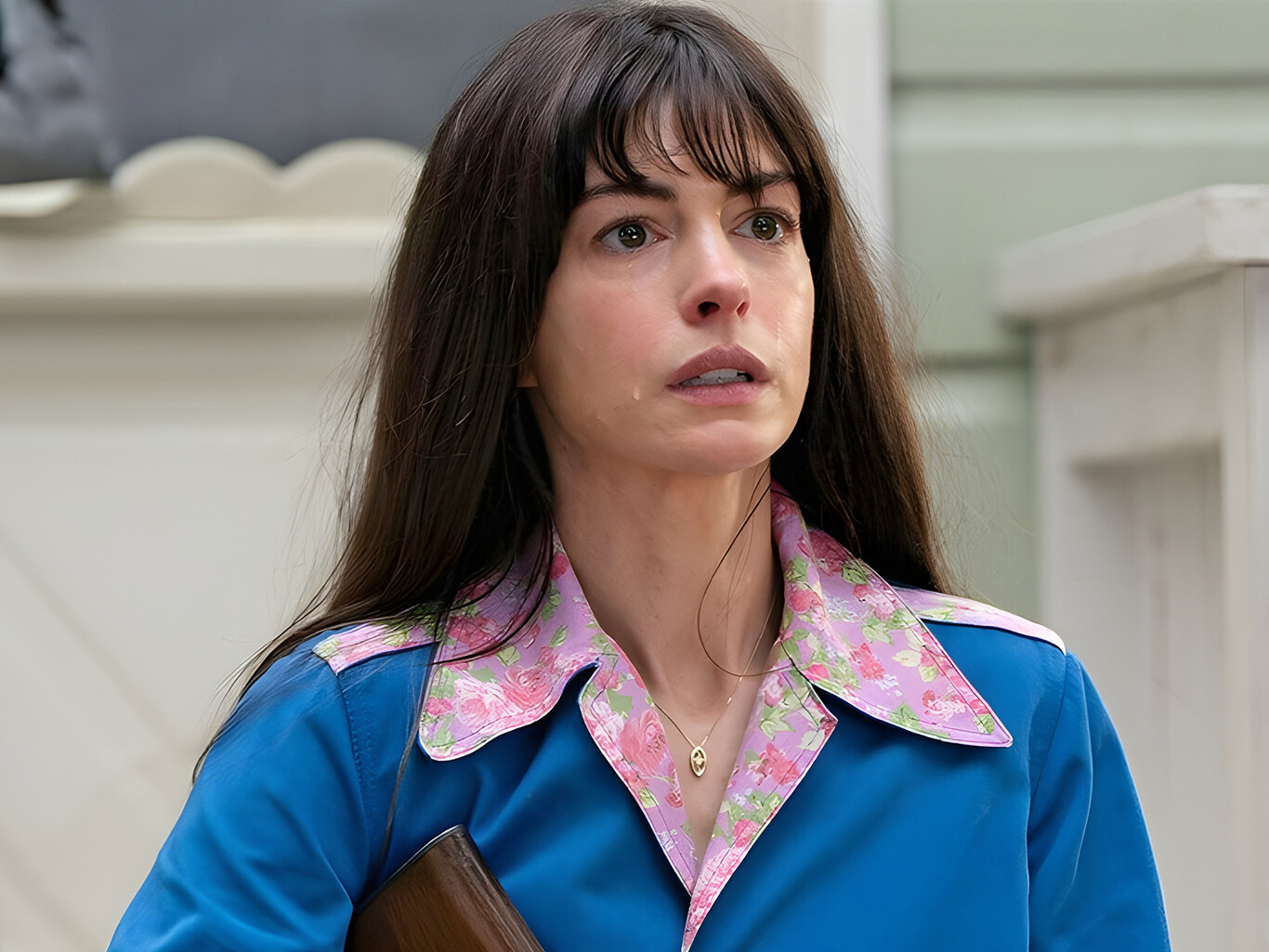
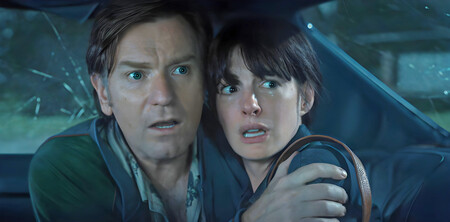
While the immediate draw for many viewers is the spectacle of dinosaurs, the screenplay focuses heavily on the psychological toll of the displacement. The film utilizes the prehistoric setting not merely as a backdrop for action, but as a crucible for the family’s reconciliation. The marital friction between the characters played by Ewan McGregor and Anne Hathaway serves as the narrative’s emotional anchor. To survive the environment and navigate the temporal paradoxes presented by the anomaly, the protagonists are forced to resolve their interpersonal conflicts, shifting the film’s tone from a standard survival thriller to a poignant drama about resilience and unit cohesion.
Production Chronology and Creative Vision
The development of The End of Oak Street began under a veil of secrecy, a hallmark of J. J. Abrams’ production style. David Robert Mitchell, known for his work on the cult horror hit It Follows and the neo-noir Under the Silver Lake, was brought on to direct, bringing a stylized, atmospheric approach to the science fiction genre. Principal photography took place across various locations, utilizing expansive practical sets to ground the supernatural elements of the story in reality.
During the production phase, the creative team made a conscious decision to prioritize the "human element" over pure spectacle. Industry insiders report that early drafts of the script were significantly darker. In recent interviews, the lead actors revealed that an original version of the ending contemplated leaving the Platt family permanently stranded in the past, vulnerable and isolated. However, the final cut opted for a more complex resolution involving temporal paradoxes, which has sparked extensive discussion among fans regarding the film’s internal logic and potential for future exploration.
Technical Execution and Scientific Realism
One of the most lauded aspects of The End of Oak Street is its portrayal of prehistoric life. Unlike the Jurassic Park or Jurassic World franchises, which often prioritize "movie monster" aesthetics, Mitchell’s film leans into contemporary paleontological research. The creatures featured in the film are designed to be more scientifically accurate, incorporating feathers, realistic movement patterns, and behaviors that reflect modern understanding of dinosaur biology.
The production utilized a hybrid approach to visual effects, blending high-end CGI with practical animatronics and clever cinematography to minimize the "uncanny valley" effect often found in big-budget creature features. This restraint in the use of digital effects has been cited as a primary reason for the film’s 86% critical approval rating on Rotten Tomatoes. The chase sequences, in particular, are noted for their clarity and suspense, relying on physical geography and lighting rather than chaotic digital editing.
Financial Performance and Market Impact
Despite entering a competitive theatrical window, The End of Oak Street achieved a global box office total of $121 million. For Warner Bros., the studio behind the distribution, this represented a solid return on investment for a mid-to-high budget original sci-fi property. The film’s success is particularly notable given that it was not based on existing intellectual property, a rarity in the current era of reboots and sequels.
The transition to HBO Max has further solidified the film’s status as a commercial success. By reaching the top of the streaming charts within its first week of availability, it has demonstrated the "long tail" potential of genre-bending films. Audience data suggests that the film is attracting a diverse demographic: science fiction enthusiasts are drawn to the time-travel mechanics, while broader audiences are engaging with the star power of McGregor and Hathaway and the high-stakes family narrative.
Critical Reception and Audience Sentiment
The critical consensus for The End of Oak Street has been overwhelmingly positive. On the review aggregator Rotten Tomatoes, the film maintains an 86% rating from critics and a 76% score from the general public. Critics have frequently highlighted the chemistry between McGregor and Hathaway, noting that their performances elevate the material above standard genre tropes.
Analysis from leading film critics suggests that the movie’s strength lies in its refusal to be just one thing. It is described as a "survivalist drama with a sci-fi heart," successfully bridging the gap between the visceral thrills of Cloverfield and the scientific wonder of Jurassic Park. While some viewers initially expected a more action-heavy "monster movie," the majority of feedback has praised the film’s focus on character development and its intellectual approach to temporal anomalies.
Comparative Analysis: A New Standard for Sci-Fi?
In the broader context of the science fiction genre, The End of Oak Street serves as a counterpoint to the trend of "maximalist" filmmaking. Where films like Godzilla focus on scale and destruction, Mitchell’s work focuses on the intimacy of the disaster. It shares thematic DNA with films such as Life (2017) or Doctor Sleep (2019), where the supernatural or extraordinary elements serve to highlight the vulnerabilities of the human condition.
The inclusion of time travel paradoxes also invites comparisons to modern classics of the sub-genre. However, The End of Oak Street avoids the overly convoluted plotting that can sometimes alienate audiences in time-travel narratives. Instead, it uses the "anomaly" as a catalyst for a "locked-room" mystery, where the "room" happens to be a prehistoric jungle. This narrative economy ensures that the pacing remains brisk without sacrificing the depth of the sci-fi concepts.
Broader Implications and Future Prospects
The success of The End of Oak Street on streaming platforms indicates a healthy appetite for original science fiction that respects the intelligence of the audience. For HBO Max and Warner Bros. Discovery, the film serves as a template for successful mid-budget acquisitions that can drive subscriptions and maintain high engagement levels.
Industry analysts suggest that the film’s performance may encourage studios to take more risks on original scripts from established directors like David Robert Mitchell. Furthermore, the unresolved questions surrounding the temporal anomaly and the fate of the Oak Street neighborhood provide ample ground for potential spin-offs or sequels, though no official announcements have been made by Bad Robot or Warner Bros. at this time.
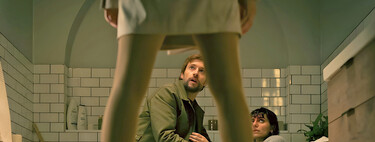
As the film continues to trend globally, it stands as a testament to the enduring power of the "what if" scenario. By placing a relatable family in an unimaginable situation, The End of Oak Street has managed to capture the imagination of a worldwide audience, proving that even in an age of superheroes and established sagas, there is still plenty of room for dinosaurs, time travel, and the complexities of the human heart. For those seeking a cinematic experience that offers both spectacle and substance, the Platt family’s journey into the deep past remains the definitive "popcorn movie" of the current season.

0 Comments