
Music is an essential, vibrant thread woven into the rich tapestry of Día de Muertos (Day of the Dead) celebrations, a profound Mexican tradition that harmoniously blends ancient Indigenous cosmology with the solemnity of Spanish colonial Christian customs. This commemoration, which has continuously evolved over centuries, stands as one of the most cherished observances, resonating deeply both within Mexico’s borders and across the global diaspora. Far from being a somber occasion solely focused on absence, Día de Muertos transforms the concept of death into a palpable presence, a poignant symbol of life that materializes through elaborate altars and heartfelt tributes. The tradition dictates that on November 1st and 2nd, days traditionally dedicated to remembering departed children and adults respectively, the veil between the living and the dead thins, allowing souls to return from Mictlán, the underworld of ancient Mexican belief, to reunite with their loved ones.
The visual landscape of Día de Muertos is as crucial as its sonic one. Homes and public spaces become canvases adorned with vibrant tissue paper cut-outs (papel picado), fragrant marigold flowers (cempasúchil), intricately decorated sugar skulls (calaveras de azúcar), and the iconic pan de muerto (Day of the Dead bread). Alongside these, offerings of water, candles, and the favorite foods and beverages of the deceased are meticulously arranged on altars, creating a welcoming ambiance for the returning spirits. This meticulous preparation underscores the belief that death is not an end but a continuation, a cyclical process celebrated with a unique blend of reverence and festivity. The occasion is characterized by its extraordinary color and profound popular resonance, encompassing a wide spectrum of meanings, from the deeply philosophical to the tangibly material.
Within this multifaceted celebration, music plays a pivotal role, serving as a conduit for remembrance, a balm for grief, and a joyous affirmation of life’s continuity. Artists across an eclectic range of genres—from the soulful strumming of rancheras and the intricate rhythms of huapango to the infectious beats of cumbia, the raw energy of rock, and the polished melodies of pop—have dedicated their creative energies to exploring the themes that lie at the heart of Día de Muertos. Icons such as Chavela Vargas, the inimitable Natalia Lafourcade, the emotive Carlos Rivera, the legendary Vicente Fernández, the popular Luis Ángel "El Flaco," the poetic Roco Pachukote, the introspective Silvana Estrada, the vibrant Son Rompepera, the innovative Pehuenche, and the contemporary Renee Mooi have all recorded songs that delve into the complexities of absence, the enduring power of memories, the steadfast nature of love, and the persistent flicker of hope. These artistic expressions not only capture the spirit of the tradition but also contribute to its ongoing cultural dialogue, offering listeners a way to connect with the departed and celebrate their legacy.
A Historical Echo: The Roots of Día de Muertos and its Musical Embrace
The origins of Día de Muertos can be traced back over 3,000 years to the Indigenous peoples of Mesoamerica, including the Aztecs, Toltecs, and Nahua people. These ancient civilizations viewed death not as a final cessation but as an integral part of the life cycle. Rituals honoring the dead were common, often taking place during the ninth month of the Aztec calendar, which coincided with the beginning of August and was celebrated over an entire month. These ceremonies were presided over by the goddess Mictecacihuatl, the "Lady of the Dead."
When the Spanish conquistadors arrived in the 16th century, they attempted to eradicate these Indigenous rituals, deeming them pagan. However, the deeply ingrained cultural practices proved resilient. Over time, the Indigenous traditions were syncretized with Catholic observances, particularly All Saints’ Day (November 1st) and All Souls’ Day (November 2nd). This fusion resulted in the unique celebration we recognize today, a vibrant testament to cultural adaptation and perseverance.
The role of music in these ancient rituals is not extensively documented in written records, but it is highly probable that chanting, drumming, and wind instruments played a significant part in ceremonies designed to appease the gods and honor the deceased. As the tradition evolved, so did its musical accompaniment. The arrival of European musical instruments and styles, particularly Spanish folk music and later European classical music, began to influence the sonic landscape of Mexican culture.
By the 19th and 20th centuries, with the rise of popular music genres like ranchera and mariachi, the themes of love, loss, and remembrance—central to Día de Muertos—found powerful expression in song. Artists began to compose and perform music that directly addressed the sorrow of separation, the joy of reunion in memory, and the philosophical contemplation of mortality. The establishment of national holidays and cultural festivals further solidified the importance of these musical tributes, transforming them into an integral part of public and private commemorations.
The Sonic Landscape of Remembrance: Genres and Themes
The musical landscape of Día de Muertos is as diverse as the Mexican population itself. Each genre brings its unique emotional palette and narrative style to the commemoration of the departed:
- Ranchera and Mariachi: These iconic Mexican genres are perhaps most intrinsically linked to themes of love, heartbreak, and national identity, making them natural vehicles for Día de Muertos songs. Vicente Fernández, a towering figure in ranchera music, often sang of profound emotional experiences that resonate with the bittersweet feelings of remembering loved ones. His powerful voice conveyed both the pain of loss and the enduring strength of familial bonds. Mariachi ensembles, with their vibrant trumpets and soulful violins, provide a rich sonic backdrop for evoking deep emotions, often accompanying songs that speak directly of calling out to lost souls or cherishing memories.
- Cumbia: Originating from the Caribbean coast of Colombia but widely adopted and adapted in Mexico, cumbia’s infectious rhythm can offer a more upbeat, celebratory aspect to Día de Muertos. Songs in this genre might focus on the joyous reunion of spirits and the lively atmosphere of the celebration, transforming grief into a dance of remembrance.
- Rock and Alternative: Contemporary artists have infused rock and alternative music with the themes of Día de Muertos, often exploring more introspective and philosophical aspects of death and remembrance. Roco Pachukote, known for his work with the band Maldita Vecindad y los Hijos del Quinto Patio, has often incorporated Indigenous symbolism and social commentary into his music, including themes related to mortality and cultural heritage. This genre allows for a more contemporary, often melancholic or rebellious, interpretation of the tradition.
- Folk and Singer-Songwriter: Artists like Natalia Lafourcade and Silvana Estrada bring a delicate intimacy to Día de Muertos themes. Their music often features poignant lyrics and sophisticated arrangements that explore the nuances of memory, absence, and the spiritual connection to those who have passed. Lafourcade, in particular, has shown a deep engagement with Mexican folk traditions, often weaving them into her contemporary sound.
- Regional Mexican and Pop: Contemporary artists across various Regional Mexican subgenres and mainstream pop music continue to contribute to the Día de Muertos musical canon. These songs often blend traditional sentiments with modern production, reaching wider audiences and ensuring the tradition’s continued relevance. Luis Ángel "El Flaco" often performs heartfelt ballads that resonate with the emotional core of the celebration.
A Curated Collection: Ten Essential Tracks for Día de Muertos
While the original article promised a list of 10 songs, this enriched piece expands on the concept by discussing the artists and their thematic contributions, laying the groundwork for a deeper appreciation of such a curated list. A hypothetical list would likely include:
- "La Llorona" (various artists, notably Chavela Vargas): This classic folk song, steeped in legend, speaks of a spectral mother weeping for her lost children, embodying themes of eternal sorrow and the lingering presence of the departed. Chavela Vargas’s rendition, with its raw emotion and profound vulnerability, makes it a quintessential Día de Muertos anthem.
- "Recuérdame" (from the Pixar film Coco, sung by Carlos Rivera): Though a modern creation, this song became an instant classic, perfectly capturing the essence of Día de Muertos – the importance of remembrance to keep spirits alive. Carlos Rivera’s heartfelt performance solidified its place in the tradition.
- "Hasta la Raíz" (Natalia Lafourcade): While not explicitly about death, this song’s exploration of deep roots, enduring connection, and ancestral ties resonates profoundly with the spirit of Día de Muertos, celebrating the unbreakable bonds that transcend physical presence.
- "Amor Eterno" (Rocío Dúrcal, originally written by Juan Gabriel): A powerful ballad of enduring love and the pain of eternal separation, this song is a staple for anyone mourning a lost loved one, its emotional weight perfectly aligning with the commemoration.
- "El Rey" (Vicente Fernández): While often interpreted as a song of pride and resilience, its themes of facing mortality with dignity and a touch of defiance can be seen as a powerful statement of living fully in the face of death, a sentiment echoed in the philosophy of Día de Muertos.
- "Mi Lamento" (Son Rompepera): This group often incorporates traditional cumbia with modern flair, and their lyrical explorations frequently touch upon themes of loss and memory, offering a rhythmic yet poignant reflection on departed souls.
- "Mi Religión" (Roco Pachukote): Roco’s work often delves into the spiritual and cultural dimensions of Mexican identity, and songs like this can be interpreted through the lens of finding solace and meaning in ancestral connections and enduring traditions, including Día de Muertos.
- "Cuando Canto" (Silvana Estrada): Estrada’s introspective and poetic approach to music often touches upon themes of internal landscapes and the echoes of the past. Her music can provide a quiet, contemplative space for remembering.
- "Calaverita" (Pehuenche): This artist often blends hip-hop with traditional Mexican influences, offering a unique perspective on cultural themes. Songs with "calaverita" in the title directly reference the sugar skulls and the playful yet respectful acknowledgment of death.
- "Mi Niña" (Renee Mooi): While Mooi’s music spans various themes, her ability to convey deep emotion and her exploration of human connection make her contributions relevant to the personal and familial aspects of remembering the deceased, particularly children on November 1st.
The Cultural Significance and Global Reach
The profound cultural significance of Día de Muertos has been increasingly recognized on a global scale, with UNESCO designating the tradition as an Intangible Cultural Heritage of Humanity in 2008. This recognition has amplified international interest and appreciation for the holiday, including its musical expressions. The interconnectedness of global culture means that music associated with Día de Muertos can now reach audiences worldwide, fostering understanding and empathy.
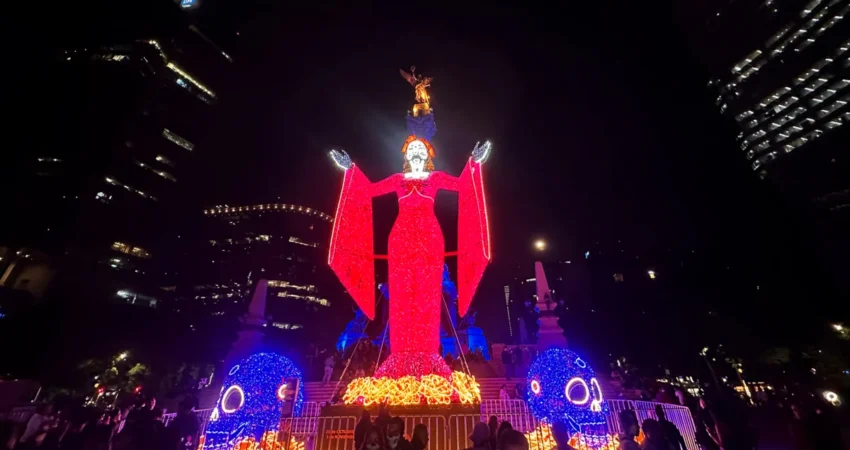
The visual spectacle of Día de Muertos, epitomized by iconic imagery like the illuminated Catrina figures in Mexico City, as seen in the accompanying image of the "Angel de la Independencia," serves as a powerful global ambassador for the tradition. This visual allure, often accompanied by evocative music, draws people in, encouraging them to learn more about the underlying philosophy and artistic expressions.
The implications of this cultural export are multifaceted. On one hand, it allows for the sharing of a rich cultural heritage, promoting cross-cultural dialogue and dispelling misconceptions about death. On the other hand, there is a delicate balance to maintain, ensuring that the commercialization of Día de Muertos does not dilute its profound spiritual and familial significance. The music, as an integral part of the authentic experience, plays a crucial role in safeguarding this essence. Artists who engage with the tradition authentically, drawing from its historical roots and contemporary relevance, contribute to its enduring power and ensure its message of life, memory, and continuity is heard across generations and borders. The enduring melody of memory, carried by these artists, ensures that the departed are not forgotten but celebrated with a vibrant symphony of life and loss.

0 Comments