
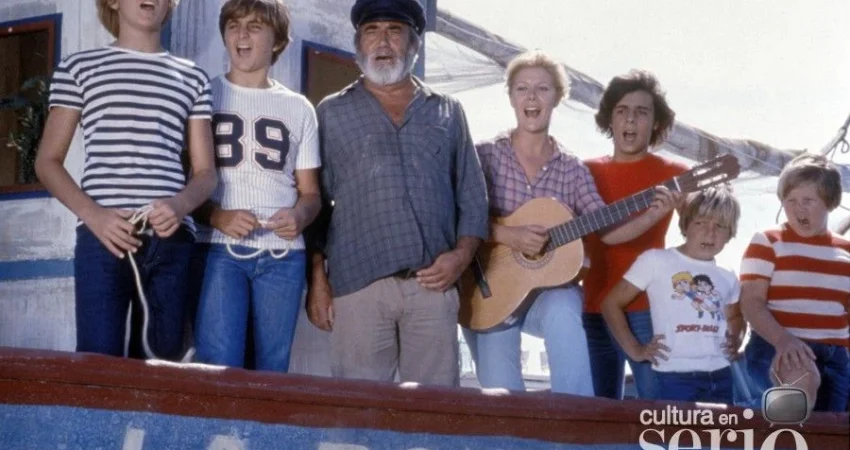
More than four decades after its initial broadcast, the iconic Spanish television series "Verano Azul" has made a triumphant return to La 2 de TVE. The beloved 19-episode original series, meticulously remastered to enhance its visual and auditory quality, is once again gracing Spanish living rooms, airing Monday through Friday at 13:25, directly preceding the popular game show "El cazador Stars." This strategic programming choice by RTVE, the Spanish public broadcaster, underscores a growing trend of leveraging its rich archival content to capture audience attention and evoke a sense of shared cultural memory.
A Resurgence of Nostalgia and Cultural Impact
The decision to reintroduce "Verano Azul" is not an isolated incident but rather a deliberate strategy following the successful revival of another classic, "Curro Jiménez." This renewed focus on the public broadcaster’s heritage programming indicates a calculated effort to tap into the powerful currents of nostalgia that resonate deeply with audiences. "Verano Azul" is widely regarded as one of the most influential fictional series in the history of Spanish television, and its return in a significantly improved technical format promises to reintroduce its timeless narrative to a new generation while offering seasoned viewers a revitalized experience.
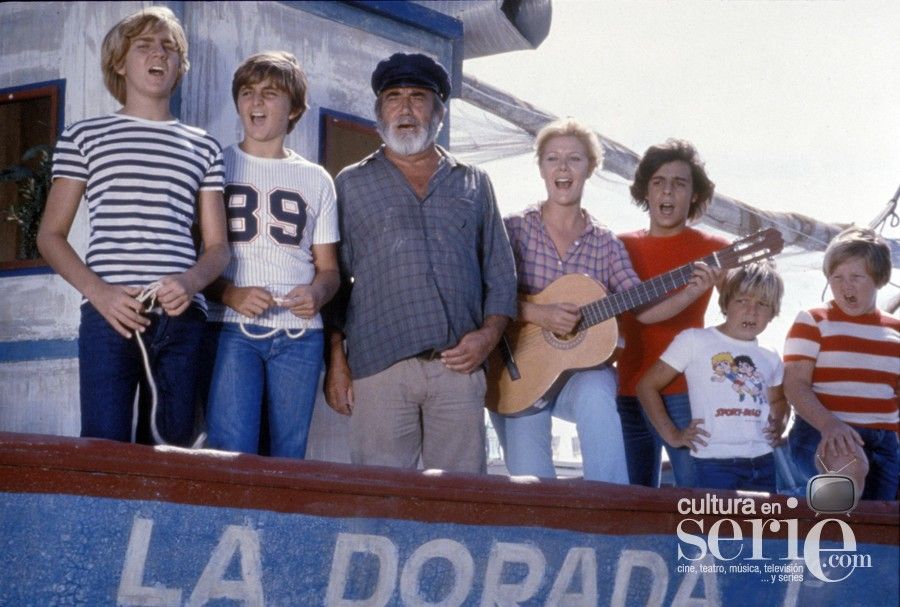
The original run of "Verano Azul" commenced in October 1981, and from its inception, it transcended the typical family viewing experience. The series chronicled the adventures of a group of eight young friends – Bea, Desi, Javi, Pancho, Quique, Piraña, Tito, and Julia – alongside the wise and enigmatic Chanquete, in the picturesque coastal town of Nerja. Beyond its sun-drenched escapades, the series dared to tackle themes that were often considered taboo or at least underexplored in contemporary television narratives. These included issues such as divorce, out-of-wedlock motherhood, and the burgeoning concept of personal freedom. These weighty social topics were masterfully woven into engaging summer adventures that treated both child and adult audiences with respect, never condescending to their intelligence or emotional capacity.
The character of Chanquete, brought to life with profound authenticity by the late Antonio Ferrandis, left an indelible mark on the collective consciousness of Spanish television viewers. His poignant farewell scene remains etched in the national memory, a testament to the series’ ability to convey profound emotion through genuine storytelling rather than sensationalist plot devices. The power of "Verano Azul" lay in its inherent truthfulness, its capacity to reflect the complexities of life with a gentle yet firm hand.
Remastering for a New Era
The meticulous remastering process has breathed new life into the series, enhancing the visual fidelity of its iconic locations. Nerja itself, with its stunning coastline, served as far more than a mere backdrop; it was an integral character in the narrative. Locations such as Burriana Beach, the Cave of the Green Cat, and the Balcón de Europa, which formed the vibrant canvas of the series, now appear with a clarity and definition that honor their inherent beauty and the charm they exuded in the 1980s. This technical upgrade ensures that the visual splendor of the original filming locations is fully appreciated by contemporary audiences.
Behind the Scenes: The Making of an Enduring Classic
The production of "Verano Azul" was an endeavor that belied the apparent simplicity of its on-screen narrative. Although the story unfolds over a single summer, the filming itself spanned an impressive 16 months. This extended production schedule presented unique challenges, particularly for the younger cast members. Scenes set by the sea, though depicting a summer idyll, were often shot during the harsh winter months, exposing the child actors to cold temperatures. Even more unexpectedly, two of the principal child actors required dental prosthetics during the production. This was due to the natural process of losing their baby teeth during the extensive filming period, a testament to the commitment required to maintain the illusion of an unending summer. These behind-the-scenes anecdotes offer a fascinating glimpse into the dedication and adaptability that characterized the making of this seminal series.
The Phantom Episode: A Lost Narrative
A curious footnote in the history of "Verano Azul" is the existence of a "phantom episode" that remains known primarily to dedicated fans. The series was originally intended to comprise 20 episodes, not 19. The unfilmed final installment, titled "La excursión" (The Excursion), was set to follow the group on a trip to Alcaucín, where they would confront a forest fire. However, permission to film controlled burns was denied by local authorities, and the technical limitations of the era made it impossible to convincingly recreate the scene. Consequently, the script for "La excursión" was never brought to the screen. Today, this unproduced script is preserved at the Museum of Nerja, serving as a tangible reminder of a narrative path that remained solely on paper.
The Unmistakable Echo of a Classic Theme
The iconic theme music of "Verano Azul," composed by Carmelo Bernaola, with its instantly recognizable whistling motif, continues to possess an almost magical ability to evoke immediate recognition and emotional resonance. The opening notes alone are sufficient to trigger a powerful connection, not merely a fleeting sense of nostalgia but a deep-seated, almost "muscular" memory of Spanish television history. This enduring power of the theme song speaks volumes about the series’ profound impact on the cultural fabric of Spain.
RTVE’s Strategic Programming and Future Implications
RTVE’s reliance on its classic content represents a strategic approach to programming that requires minimal new investment and promotional expenditure. Audiences are already familiar with these established titles, reducing the need for extensive marketing campaigns. The fundamental question that arises from this resurgence of classic programming is whether the younger generations, who did not experience the original broadcast in 1981, will connect with a series that addressed complex social issues with such understated authenticity. The success of this programming strategy hinges on its ability to bridge generational divides and introduce timeless narratives to a new demographic.
The enduring legacy of "Verano Azul" is a testament to its profound ability to resonate across time. The series continues to captivate audiences, proving that some summers, and the stories they hold, never truly end, having maintained their relevance and appeal for over forty years. The remastered return of "Verano Azul" to La 2 de TVE is not just a broadcast event; it is a cultural reaffirmation, a chance to revisit a cherished piece of Spanish heritage and introduce its enduring lessons to a new generation of viewers. The implications for RTVE are clear: leveraging their extensive archive of influential content can be a powerful tool for maintaining audience engagement and solidifying their role as a custodian of Spanish cultural memory. The continued success of such programming will likely encourage further investment in restoring and reintroducing other significant works from their vast library.

0 Comments