
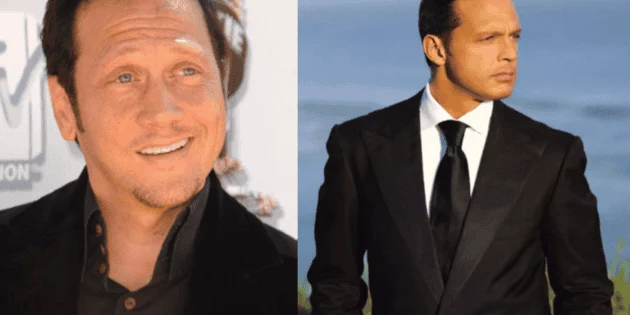
The highly anticipated musical comeback of Luis Miguel, Mexico’s iconic "El Sol," has ignited an international firestorm of euphoria among his legions of fans, yet simultaneously fueled a palpable sense of frustration due to the enigmatic rollout of his tour information. This fervent demand for details has transcended geographical boundaries and social status, reaching even the upper echelons of Hollywood, as evidenced by prominent figures publicly expressing their impatience with the secrecy surrounding his upcoming concerts. The spectacle underscores the enduring power of Luis Miguel’s star appeal, capable of captivating a diverse global audience and generating intense speculation across all demographics.
The Return of "El Sol": A Strategic Veil of Mystery
Luis Miguel Gallego Basteri, known universally as Luis Miguel, has maintained a status as one of Latin America’s most revered and successful artists for over four decades. His career, marked by a blend of pop ballads, mariachi, boleros, and big band influences, has garnered numerous accolades, including multiple Grammy and Latin Grammy Awards, and cemented his legacy as a cultural icon. Following a period of relative quietude and a highly successful biographical series on Netflix, "Luis Miguel: La Serie," which reignited interest in his life and music among new generations, the announcement of his return to the stage was met with an unprecedented surge of excitement.
On a date that sent social media into a frenzy, Luis Miguel’s official accounts published a singular, impactful image confirming his international tour. This announcement, devoid of any specific dates, venues, or ticketing information, served as both a thrilling confirmation and a deliberate exercise in suspense. This marketing strategy, while effective in generating immense buzz, has simultaneously created a vacuum of information that fans and industry observers alike are eager to fill. The lack of concrete details has left millions in suspense, eagerly awaiting clarification on how and when they can secure tickets to witness the return of "El Sol de México." The immediate aftermath of this announcement saw social media platforms inundated with speculation, pleas, and a mixture of excitement and exasperation from a global fan base spanning generations.
Hollywood Weighs In: Rob Schneider’s Viral Plea
Among the prominent voices to join the chorus of frustrated fans is acclaimed American actor and comedian Rob Schneider. Known for his roles in numerous hit comedies and his vocal appreciation for Mexican culture, Schneider took to his official account on the platform X (formerly Twitter) to directly address Luis Miguel. His message, delivered with characteristic humor and an endearing use of colloquial Spanish, quickly went viral, capturing the collective sentiment of fans worldwide.
On September 21, 2026, Schneider posted: "¿Estoy comprando las entradas ahora?? Luis, ¿dónde está la página web para las entradas? MUCHOS GRACIAS!! 🙏🙏🙏🙏" This direct and somewhat exasperated query perfectly encapsulated the widespread confusion and eagerness surrounding the tour. The use of "MUCHOS GRACIAS!!" – a common, slightly incorrect but charmingly earnest expression often heard from non-native Spanish speakers – resonated deeply with the Latino community and further endeared Schneider to Luis Miguel’s fan base. His tweet, marked by its immediacy and candidness, highlighted the unusual nature of a tour announcement that omitted the most crucial logistical details, essentially teasing an event without providing the means to participate.
A Recurring Frustration: Schneider’s Historical Advocacy
This is not the first instance of Rob Schneider publicly appealing to Luis Miguel regarding tour specifics. Three years prior, in 2023, the actor had voiced a remarkably similar frustration, indicating that the artist’s enigmatic approach to tour announcements is a recurring pattern. On February 16, 2023, Schneider’s tweet read: "Querido amigo Luis Miguel, Como sabes, Paty y yo somos tus mayores admiradores y ¡te amamos! Pero, amigo, ¿no puedes anunciar una gira sin fechas y sin lugar para comprar boletos? Que Pedo?!"
The earlier message, equally direct and peppered with the quintessential Mexican slang "Que Pedo?!" (roughly translating to "What’s up with that?!" or "What the hell?!"), demonstrated Schneider’s deep immersion in Mexican culture and his long-standing admiration for Luis Miguel. The consistency of his complaints over time suggests that while the strategy of mystery generates immense hype, it also creates significant logistical challenges and frustration for the audience, including high-profile celebrities like himself. Both tweets served as powerful indicators of the global demand for Luis Miguel’s concerts and the collective impatience with the lack of actionable information. These posts garnered thousands of interactions, retweets, and comments, as countless users echoed Schneider’s sentiments, sharing their own frustration over the elusive nature of ticket acquisition for "El Sol de México."
The Cultural Bridge: Rob Schneider’s Deep Connection to Mexico
Rob Schneider’s passionate engagement with Luis Miguel’s music and Mexican culture is rooted in a very personal connection: his marriage to Mexican television producer Patricia Azarcoya. Patricia has been instrumental in introducing Schneider to the richness of Latin music and traditions, fostering a profound appreciation that has made him a beloved figure within the Mexican entertainment landscape. This cultural immersion explains his fluency in Spanish, his use of colloquialisms, and his heartfelt connection to artists like Luis Miguel. His genuine affinity for the culture lends authenticity to his public pleas, transforming them from mere celebrity endorsements into relatable expressions of a true fan’s anticipation.
The Azarcoya-Schneider household is known to be deeply appreciative of Latin American music and arts, making Rob a particularly relevant and impactful voice in this conversation. His ability to connect with the Spanish-speaking audience through humor and shared cultural references amplifies the reach and impact of his messages, turning a personal frustration into a widely shared public sentiment.
The Broader Fan Phenomenon and Economic Implications
Luis Miguel’s global appeal is undeniable. His career, spanning decades, has seen him sell over 100 million records worldwide, making him one of the best-selling Latin artists of all time. His tours consistently rank among the highest-grossing for Latin artists, attracting massive crowds across North, Central, and South America, as well as Europe. The current surge in demand, partly fueled by the Netflix series, indicates that his upcoming tour is poised to be an even greater commercial success.
The economic implications of such a large-scale international tour are significant. Beyond ticket sales, which could easily generate hundreds of millions of dollars, there are substantial revenues from merchandise, hospitality, local tourism, and ancillary services in every city he visits. Concerts of this magnitude act as economic catalysts, boosting local economies and creating temporary employment opportunities. However, the lack of immediate information poses a challenge for these sectors, as they cannot yet prepare for the influx of fans or coordinate logistics.
Moreover, the global fan base for Luis Miguel is incredibly diverse, encompassing loyal followers from his early career and a new generation introduced to his music through digital platforms and the biographical series. This broad appeal suggests that the demand for tickets will be unprecedented, potentially leading to rapid sell-outs and a highly competitive ticketing landscape, exacerbated by the initial secrecy.
The Strategy of Intrigue: A Marketing Masterclass or Misstep?
The decision by Luis Miguel’s management team to announce a tour without any specific dates or venues is a highly unconventional marketing tactic. While it undeniably generates immense anticipation and keeps the artist at the forefront of media discussion, it also carries inherent risks.
- Building Hype: The "mystery box" approach creates a powerful sense of exclusivity and urgency. By withholding information, the team ensures that every subsequent announcement will be met with even greater attention. This strategy capitalizes on human curiosity and the fear of missing out (FOMO), driving up demand when tickets are finally released.
- Frustration and Backlash: As evidenced by Rob Schneider’s tweets and the general sentiment on social media, prolonged secrecy can lead to significant fan frustration. In an age of instant information, the lack of concrete details can be perceived as dismissive or disrespectful to the audience. This could potentially alienate some fans or lead to negative sentiment, even if the underlying excitement remains high.
- Logistical Challenges for the Industry: For concert promoters, venue operators, and ticketing platforms, this strategy creates a planning nightmare. Without confirmed dates and locations, it is impossible to initiate crucial logistical preparations, allocate resources, or coordinate with local authorities. This could lead to a compressed planning window once details are released, potentially increasing operational costs and complexities.
- The "Luis Miguel Effect": It’s possible that Luis Miguel’s unique status allows for such an unorthodox approach. Few artists possess the cultural weight and dedicated fan base to sustain this level of intrigue without significant negative repercussions. His team might be banking on the sheer force of his celebrity to overcome any initial frustrations.
Industry Perspectives and Ticketing Challenges
From an industry standpoint, the current situation presents a mixed bag of opportunities and challenges. Promoters and ticketing agencies are undoubtedly thrilled by the sheer demand but are simultaneously navigating an environment of uncertainty. Negotiations for venues, dates, and local partnerships typically begin months, if not a year or more, in advance for tours of this scale. The delayed release of information indicates either an unusually rapid negotiation process or a highly pre-planned but intentionally withheld schedule.
The eventual release of tour dates and ticketing information is expected to trigger a digital stampede. Ticketing platforms will need to brace for unprecedented traffic, with potential issues ranging from website crashes to rapid sell-outs. The secondary market for tickets will also likely explode, with scalpers and resellers capitalizing on the high demand and limited supply, further complicating access for genuine fans. The challenge for Luis Miguel’s team and ticketing partners will be to manage this demand efficiently, implement fair purchasing mechanisms, and mitigate the impact of bots and scalpers.
Looking Ahead: The Anticipation Builds
As the global anticipation for Luis Miguel’s tour continues to mount, the world awaits the official unveiling of the dates, venues, and ticketing details. Rob Schneider’s humorous yet pointed interventions serve as a poignant reminder of the universal desire to connect with beloved artists and the shared frustration when that connection is made unnecessarily difficult. The saga of Luis Miguel’s return is more than just a series of concerts; it is a testament to his enduring legacy, the power of a meticulously crafted celebrity persona, and the evolving dynamics between artists, fans, and the digital age.
Whether Luis Miguel’s team will continue its strategy of intrigue or opt for a more conventional rollout remains to be seen. What is clear, however, is that "El Sol" continues to shine brightly, captivating audiences across the globe and demonstrating that true stardom transcends the conventional rules of engagement, even if it means keeping Hollywood on the edge of its seat. The collective hope remains that the mystery will soon give way to clarity, allowing millions to finally secure their place at what promises to be one of the most talked-about musical events of the decade.

0 Comments