
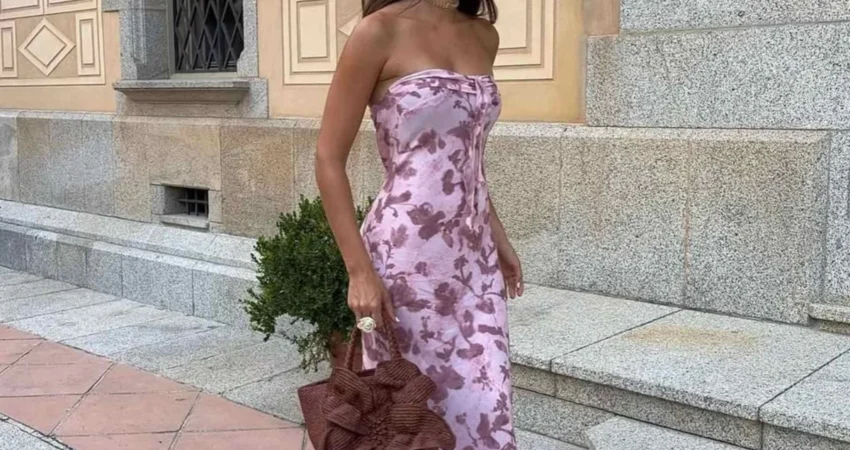
Madrid has solidified its position as the premier showcase for Spanish guest fashion, offering a sophisticated retail landscape that ranges from the historic streets of the Salamanca district to the avant-garde boutiques of the Justicia neighborhood. For women seeking the perfect ensemble for weddings and gala events, the capital provides a unique advantage: the ability to experience "made in Spain" craftsmanship firsthand through physical storefronts, ateliers by appointment, and dedicated corners in major luxury retailers. As the autumn wedding season approaches, the demand for high-quality, locally produced attire has surged, highlighting a curated group of Spanish brands that have successfully bridged the gap between digital presence and traditional brick-and-mortar excellence.

The Strategic Importance of Madrid’s Retail Landscape
The Spanish fashion industry contributes approximately 2.8% to the national GDP, with the "invitada" or guest wear sector representing a significant and growing portion of this revenue. In a market increasingly dominated by e-commerce, the persistence of physical boutiques in Madrid underscores a critical consumer preference in the luxury and event-wear segment: the necessity of tactile evaluation. For high-stakes purchases such as wedding guest dresses—where fabric drape, color accuracy under natural light, and precision tailoring are paramount—the physical store remains an irreplaceable asset.
Madrid’s "Golden Mile" and its surrounding areas have become a sanctuary for slow fashion. Unlike mass-market retailers, the brands highlighted in this report prioritize ethical production and limited-run collections, often manufactured in local workshops in Madrid, Seville, or Malaga. This proximity to production allows for greater quality control and the ability to offer semi-bespoke adjustments, a service that has become a hallmark of the Spanish guest-wear experience.

The Evolution of Spanish Guest Wear: A Chronological Context
The current boom in Spanish guest fashion is the result of a two-decade evolution. The timeline begins in the early 2000s with the establishment of heritage brands that focused on traditional millinery and dressmaking. However, the true explosion occurred between 2012 and 2019, an era defined by the rise of social media and a shift in consumer values toward "Made in Spain" authenticity.
Post-2020, the industry faced a significant pivot. After the total cessation of social events during the global pandemic, 2022 and 2023 saw a record-breaking "wedding boom." This surge in demand allowed emerging brands to scale rapidly, transitioning from digital-only models to flagship stores in Madrid’s most prestigious postcodes. Today, these brands are not merely retailers; they are cultural ambassadors of Spanish aesthetic sensibilities, blending Mediterranean vibrancy with contemporary minimalism.

Profiles in Excellence: Leading ‘Made in Spain’ Brands in the Capital
Bimani: The Pioneer of Functional Minimalism
Founded by Laura Corsini, Bimani has redefined the concept of the versatile guest outfit. Known for its signature wrinkle-free fabrics and clean silhouettes, the brand caters to a demographic that values elegance without sacrificing comfort. Bimani operates a sophisticated retail strategy in Madrid, featuring "Casa Bimani" at Calle Barquillo 29—a space dedicated to personalized attention by appointment—and a high-traffic boutique at Calle Velázquez 43. The brand’s presence is further bolstered by strategic corners in El Corte Inglés (Goya and Sanchinarro), making it one of the most accessible luxury labels in the city.
Vogana: Architectural Innovation from the South
Vogana, led by creative director Carmen de la Puerta, represents the successful migration of Andalusian design to the national stage. The brand is distinguished by its bold use of volume, architectural sleeves, and vibrant floral prints. By maintaining its manufacturing entirely within Spain, Vogana ensures that each garment reflects the rigorous standards of traditional tailoring. Their flagship store at Calle de Columela 6 serves as a destination for guests looking to make a definitive stylistic statement.

Mannit: The Modernity of Family Heritage
Established in 2016 by siblings Inma, Patricia, and Eduardo, Mannit focuses on the "modern, secure woman." Their design philosophy centers on timelessness and quality, ensuring that a guest dress is an investment rather than a single-use purchase. With two strategic locations at Calle Castelló 5 and Calle Hermosilla 49, Mannit provides a dual-entry point into the Salamanca district’s fashion circuit, emphasizing 100% Spanish production.
Redondo Brand: The Red Carpet Authority
Since its inception in 2019 by Jorge Redondo, Redondo Brand has become synonymous with high-impact event wear. The brand has gained international recognition for its structured patterns and meticulous finishes, often appearing on red carpets and high-society nuptials. Redondo operates a flagship store at Calle Claudio Coello 25 and an exclusive atelier at Calle Velázquez 80, where the focus is on a couture-like experience for the ready-to-wear market.

Mattui: The Intersection of Color and Elegance
Located in the trendy Justicia neighborhood at Calle Almirante 10, Mattui was founded in 2020 by Marta Fuentes and Paqui Serrano. The brand has carved out a niche by balancing classic elegance with a rich palette of colors and unique prints. Their presence in Justicia, an area known for its independent boutiques and artistic flair, aligns with their identity as a brand for the discerning, style-conscious guest.
Cherubina: From Millinery to Total Look
Originating in Seville in 2003, Cherubina began as a specialist in high-end hats and headpieces before expanding into a full range of guest attire. The brand’s aesthetic is deeply romantic, often featuring vintage-inspired details. Cherubina’s footprint in Madrid is substantial, with boutiques at Calle Hermosilla 8 and Calle Núñez de Balboa 8, complemented by luxury corners in El Corte Inglés (Castellana and Sanchinarro). This multi-point retail strategy allows them to capture both the traditional and modern segments of the market.

Miphai: The Royal Endorsement
Miphai, founded in Malaga in 2019 by Alicia Dávila and Miro Taboada, achieved significant notoriety after being selected by Queen Letizia for official engagements. This "Royal Effect" has propelled the brand into the spotlight, highlighting their expertise in vibrant patterns and flattering silhouettes. Their boutique at Calle Claudio Coello 88 is a cornerstone of the Madrid guest-wear scene, offering designs that are both regal and accessible.
Supporting Data: The Economics of the Guest Outfit
Market analysis indicates that the average Spanish wedding guest spends between €200 and €600 on their attire, including accessories. In Madrid, this expenditure tends toward the higher end of the spectrum due to the concentration of premium boutiques. Furthermore, data suggests that 65% of consumers in the luxury event-wear segment prefer to visit a store at least twice—once for the initial selection and once for a final fitting—before finalizing a purchase.

The "Made in Spain" label acts as a powerful value multiplier. Consumers are increasingly willing to pay a premium of 15-20% for garments that guarantee fair labor practices and reduced carbon footprints associated with local manufacturing. This shift toward "conscious consumption" has provided these brands with a competitive edge over international fast-fashion conglomerates.
Industry Analysis: Implications and Future Outlook
The success of these physical boutiques in Madrid signifies a broader trend in the global fashion industry: the return to specialized, service-oriented retail. As digital fatigue sets in, the curated environment of a boutique offers an emotional connection to the brand that an algorithm cannot replicate.

Moreover, the concentration of these brands in specific Madrid neighborhoods has created a "fashion cluster" effect. This geographic proximity encourages "shopping tourism," where domestic and international visitors travel to the capital specifically to outfit themselves for the social season. This synergy between fashion and tourism provides a vital boost to the local economy, supporting not only the designers but also the hospitality and service sectors.
Looking ahead, the challenge for these "Made in Spain" brands will be maintaining their commitment to local, small-scale production while meeting increasing demand. However, the current stability of their physical presence in Madrid suggests a robust business model. By focusing on quality, heritage, and the unique needs of the event guest, these brands have secured their place in the future of Spanish luxury retail.

In conclusion, Madrid serves as more than just a marketplace; it is a living gallery of Spanish creativity. For the guest navigating the complexities of wedding etiquette and personal style, the city’s boutiques offer a tangible link to the country’s rich sartorial history, ensuring that the "Made in Spain" tradition continues to flourish on the world stage.

0 Comments