

Madrid has long served as a central hub for luxury and artistic expression in Southern Europe, but in the specialized realm of olfactory arts, few institutions command as much respect as Nadia Perfumería. Founded in the 1950s, this family-run enterprise has transitioned through decades of fragrance history, moving from a traditional boutique to a premier destination for "niche" or "author" perfumery. Recently, at the prestigious Pitti Fragranze event in Florence—an international benchmark for artistic perfumery supported by the Italian Trade Agency (ITA)—Alicia and Isabel, the sisters currently leading Nadia Perfumería, provided an in-depth analysis of how the tastes of Madrid’s most discerning clientele are shifting. Their observations reveal a sophisticated market that is moving away from the heavy, literal sweetness of traditional gourmand scents toward a more nuanced, "soft gourmand" palette, while simultaneously maintaining a deep-seated loyalty to powdery, classic compositions.
The Historical Context of Nadia Perfumería and the Madrid Market
The story of Nadia Perfumería is intrinsically linked to the post-war evolution of Spanish luxury. Established during a period when the Spanish market was beginning

to open its doors to international cosmetic influences, the boutique was born with a specific vocation: to provide an alternative to the mass-market fragrances that dominated the commercial landscape. By situating their flagship locations in the Barrio de Salamanca—specifically on Calle Velázquez and Calle Diego de León—the family tapped into the "Milla de Oro" (Golden Mile), an area synonymous with high fashion, discretion, and bespoke service.
For over seventy years, the establishment has functioned less as a retail point and more as an olfactory consultancy. This personalized approach has allowed the directors to track generational shifts in real-time. Where the 1980s and 90s were defined by powerhouse florals and heavy aldehydes, the modern era has seen a fragmentation of taste. Today’s consumer is no longer looking for a brand name to provide status; they are looking for a "scent identity" that feels exclusive and personal. This shift has propelled niche perfumery from a hidden subculture into a significant segment of the luxury economy.
Chronology of a Changing Best-Seller List
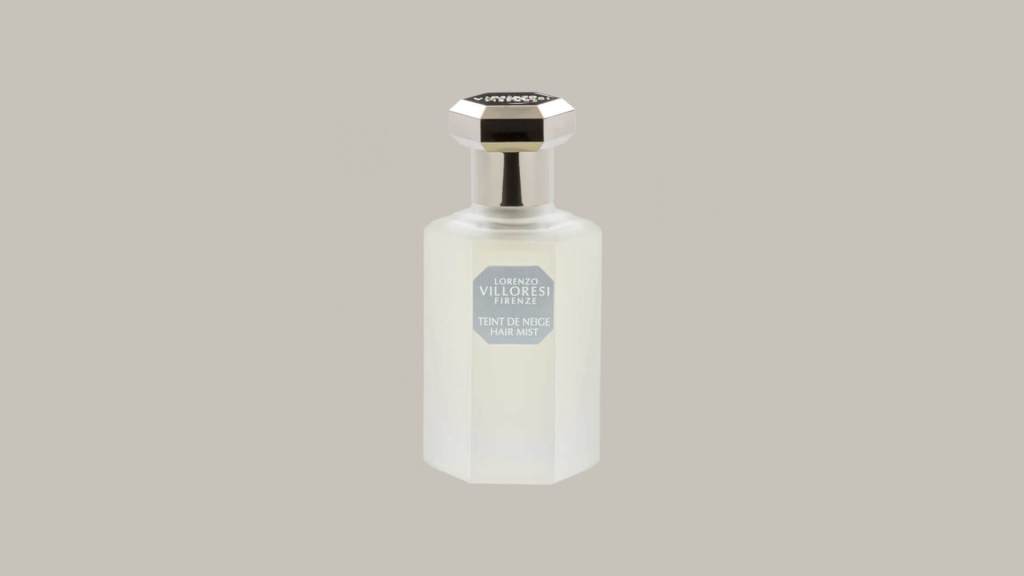
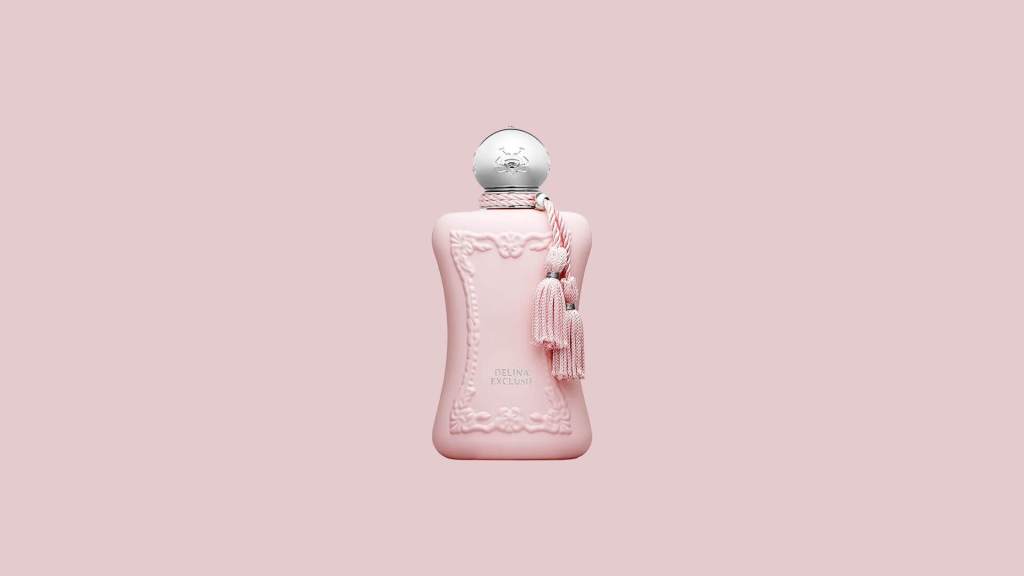
Two years ago, the landscape of top-selling fragrances at Nadia Perfumería was dominated by a specific set of profiles. The leaders were Teint de Neige by Lorenzo Villoresi, Bianco Latte by Giardini di Toscana, Delina by Parfums de Marly, and Portrait of a Lady by Frédéric Malle. These scents represented a clear preference for high-impact sillage—fragrances that announce their presence and linger long after the wearer has left the room.

However, the 2024–2025 data indicates a subtle but definitive recalibration. While some classics remain immovable, new entries suggest a craving for "creamy" and "luminous" textures over "dark" or "syrupy" ones.
The Persistence of the Powdery Icon: Teint de Neige
Despite the constant influx of new releases, Teint de Neige by Lorenzo Villoresi remains the undisputed bestseller in the Salamanca district. The fragrance, which translates to "the color of snow," is a technical masterpiece of powdery notes, blending rose, jasmine, ylang-ylang, and musk. According to Alicia and Isabel, its success is driven almost entirely by word-of-mouth. In a city like Madrid, where social interaction is a cornerstone of daily life, a fragrance that elicits the question "What are you wearing?" becomes a self-sustaining marketing phenomenon. The longevity of Teint de Neige suggests that for many Madrileños, the ultimate luxury is a scent that evokes cleanliness, nostalgia, and a "second-skin" effect.
The Rise of Modern Femininity: Delina and Valaya
The dominance of Parfums de Marly in the Madrid market highlights a trend toward "contemporary royalty." Delina, with its distinctive rhubarb and Turkish rose profile, continues to attract a younger demographic of luxury consumers. However, it now shares the spotlight with Valaya, a more recent creation from the same house. Valaya represents a move toward "white" scents—fragrances that use aldehydes, ambrofix, and akigalawood to create a sensation of fresh fabric and radiant skin. This transition from the fruity-floral intensity of Delina to the airy, mineral freshness of Valaya mirrors a broader global trend toward "quiet luxury" in perfumery.

The "Soft Gourmand" Revolution: A Technical Analysis
Perhaps the most significant insight provided by the directors of Nadia Perfumería is the evolution of the "gourmand" category. Historically, gourmand fragrances were defined by high concentrations of ethyl maltol, the chemical compound that smells like toasted sugar or cotton candy. These scents were often dense, heavy, and overtly sweet.
The current trend, as observed in Madrid, is the "soft gourmand." This sub-category retains the "edible" appeal of traditional gourmands but swaps out the sugar for more sophisticated, textured notes. Alicia and Isabel point to the explosive success of Impadia by BDK Parfums as the primary example of this shift. Impadia utilizes a creamy rose accord combined with pear and sandalwood to create a sweetness that feels "luminous" rather than "heavy."
Key ingredients defining this new era of soft gourmands include:
- Rice and Milk Accords: Providing a lactonic, comforting texture that isn’t cloying.
- Almond and Pistachio: Offering a nutty, sophisticated sweetness.
- Tea Notes (Matcha, Rooibos): Introducing an earthy or herbal counterpoint to sweet elements.
- Modern Musks: Acts as a vehicle to make gourmand notes feel airy and breathable.
This trend reflects a post-pandemic psychological shift. Consumers are seeking "comfort scents" that provide a sense of security and well-being without the aggressive olfactory footprint of 2010-era gourmands.
Market Dynamics and the Impact of Pitti Fragranze
The involvement of the Italian Trade Agency (ITA) in events like Pitti Fragranze is crucial for the survival of the niche sector. By providing a platform for small, artisan houses, the ITA ensures that the market remains diverse. For retailers like Nadia Perfumería, these events are essential for sourcing "under-the-radar" brands that offer their customers a sense of discovery.
The data presented by industry analysts at these summits shows that the niche perfume market is currently outperforming the mass-market "prestige" sector in terms of growth percentage. While the global perfume market is expected to grow at a CAGR (Compound Annual Growth Rate) of approximately 5%, the niche and artisanal segment is seeing growth rates closer to 8-10% in urban luxury hubs like Madrid, Paris, and Milan.
The Institutional Signature: 46 Nadia and Local Pride
A unique aspect of the Madrid perfume scene is the success of 46 Nadia, a fragrance created by the renowned Spanish perfumer Toni Cabal specifically for the boutique. The scent, centered around neroli—a classic Mediterranean ingredient—demonstrates that while Madrid’s residents love international brands, there is a strong desire for locally-rooted craftsmanship.
Interestingly, 46 Nadia has found a following among both men and women, as well as international tourists looking for a "piece of Madrid" to take home. This highlights the growing trend of "genderless" perfumery, where the choice of scent is dictated by personal affinity for certain raw materials rather than traditional marketing categories.
Broader Implications for the Fragrance Industry
The shifts observed at Nadia Perfumería serve as a bellwether for the wider European luxury market. Several key conclusions can be drawn:

- The Death of the "Signature Scent": Consumers are increasingly building "fragrance wardrobes," choosing different scents for different moods or social settings rather than sticking to one bottle for years.
- The Importance of Sillage Control: There is a growing appreciation for perfumes that stay closer to the skin. The "beast mode" fragrances of the past are being replaced by scents that prioritize the wearer’s personal experience.
- The Sophistication of the Consumer: Today’s buyer is highly educated about ingredients. They understand the difference between Bulgarian and Turkish rose, or the impact of different types of sandalwood. Retailers must act as educators and experts to maintain trust.
- The Evolution of "Sweetness": The move from Bianco Latte (a literal vanilla/caramel) to Impadia (a floral/fruity cream) suggests that the market is maturing. Sweetness is no longer the main attraction but rather a supporting element in a complex composition.
As the industry moves forward, the role of independent boutiques like Nadia Perfumería will be more critical than ever. In an age of digital algorithms, the human element—the ability of an expert like Alicia or Isabel to listen to a customer’s history and find the exact scent that matches their current state of mind—remains the ultimate luxury. The future of perfumery in Madrid is one of balance: a respect for the powdery traditions of the past, a love for the vibrant roses of the present, and an eager anticipation for the soft, creamy innovations of the future.

0 Comments