
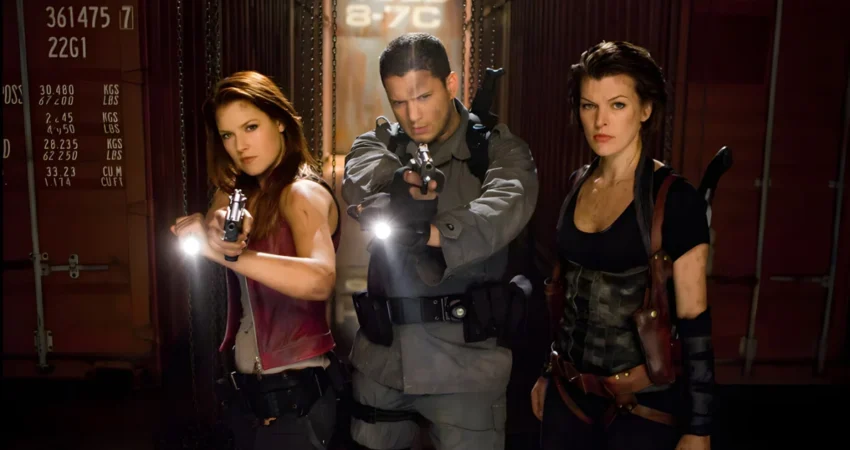
The cinematic legacy of Resident Evil has entered a period of significant critical re-evaluation as of 2026, driven largely by the contrasting fortunes of various attempts to adapt Capcom’s iconic survival-horror franchise for the silver screen. While the latest production directed by Zach Cregger has garnered substantial acclaim for its atmospheric tension and adherence to the source material’s roots, it is the original six-film cycle—spearheaded by director Paul W. Anderson and starring Milla Jovovich—that remains the commercial gold standard for the genre. Despite being frequently maligned by critics during their initial theatrical runs, these films have collectively grossed over $1.2 billion worldwide, securing their place as the most successful film series based on a video game property to date. Currently, this sprawling saga is experiencing a resurgence in viewership across digital platforms, with five of the installments residing on HBO Max and the remaining chapter available on Netflix, allowing a new generation of audiences to dissect why these "popcorn" spectacles have endured while more "faithful" adaptations have often faltered.
The trajectory of the Resident Evil film franchise began in 2002, a time when the "video game movie curse" was considered an inescapable reality of the industry. Following the critical and commercial failures of high-profile projects like Super Mario Bros. and Street Fighter in the 1990s, the prospect of a live-action Resident Evil was met with skepticism. However, Paul W. Anderson, fresh off the success of Mortal Kombat (1995), opted for a radical departure from the established lore of the PlayStation games. Instead of directly adapting the story of Jill Valentine or Chris Redfield in the Spencer Mansion, Anderson introduced Alice, an original character portrayed by Milla Jovovich. This decision allowed the films to operate within their own internal logic, utilizing the games’ iconography—the Umbrella Corporation, the T-Virus, and the Red Queen—as a backdrop for a high-octane action narrative rather than a strict survival-horror experience.
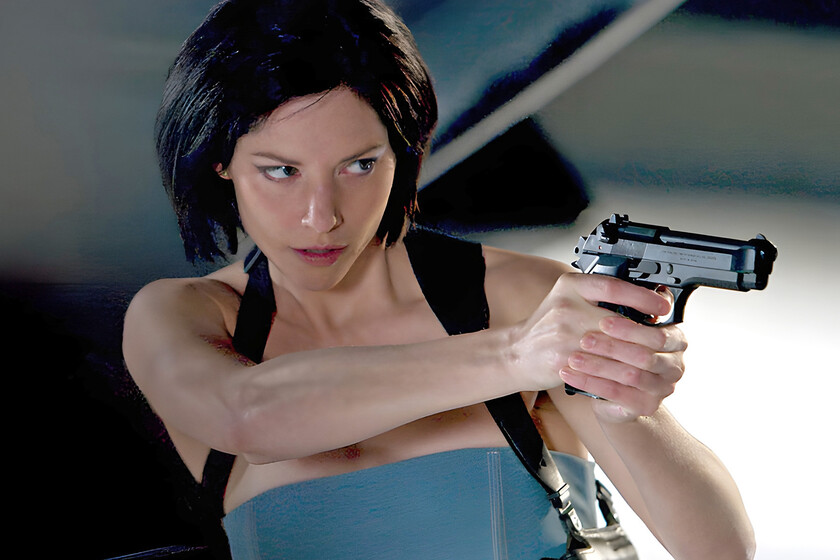
The chronology of the franchise reveals a steady escalation in scope and stylistic experimentation. The 2002 original was a relatively contained techno-thriller, emphasizing claustrophobia and the "slasher" elements of the zombie genre. By the time Resident Evil: Apocalypse arrived in 2004, directed by Alexander Witt, the series moved into the urban sprawl of Raccoon City, introducing fan-favorite characters like Jill Valentine (Sienna Guillory) and the hulking Nemesis. While fans appreciated the visual fidelity of these characters, the film solidified the series’ pivot toward stylized action over horror. This trend continued with Resident Evil: Extinction (2007), which shifted the setting to a Mad Max-inspired post-apocalyptic desert, and Resident Evil: Afterlife (2010), which utilized cutting-edge 3D technology championed by James Cameron to deliver a visual experience that resonated particularly well in international markets.
Statistically, the franchise’s financial performance is a study in global market dominance. While domestic North American returns were often modest, the international box office—particularly in Japan and China—propelled the series to unprecedented heights. Resident Evil: Afterlife, for instance, earned over $236 million internationally against a $60 million budget, proving that the brand’s appeal transcended cultural and linguistic barriers. By the time Resident Evil: The Final Chapter was released in 2016, the series had perfected its formula: high-production value stunts, Milla Jovovich’s established status as a premier action lead, and a narrative that, while convoluted, offered a consistent sense of closure for its protagonist. The $1.2 billion cumulative total is a testament to the franchise’s ability to maintain a dedicated audience over fourteen years, a feat rarely seen in mid-budget genre cinema.
The critical reception of the Jovovich-led films has historically been a point of contention. On review aggregator Rotten Tomatoes, none of the six films managed to break the 40% "Fresh" threshold, with critics often citing the thin characterization, frenetic editing, and departure from the games’ atmospheric dread. However, the perspective of 2026 suggests that these criticisms may have overlooked the films’ technical merits and their role in shaping the modern action-horror aesthetic. Industry analysts now point to Anderson’s use of symmetrical framing, "slow-mo" choreography, and electronic soundtracks as precursors to the hyper-stylized action seen in franchises like John Wick. Furthermore, the decision to create a standalone protagonist in Alice is now viewed by some as a strategic masterstroke; it prevented the films from being beholden to the ever-changing continuity of the Capcom games, allowing the cinematic universe to evolve independently.

The impetus for the current re-evaluation of the Anderson era often stems from the perceived failures of subsequent adaptations. In 2021, Sony Pictures released Resident Evil: Welcome to Raccoon City, a reboot that promised a more faithful recreation of the first two games. Despite featuring accurate costumes and locations, the film struggled at the box office and failed to ignite a new franchise. Similarly, Netflix’s 2022 live-action Resident Evil series was canceled after just one season following a polarized reception from both critics and fans. These projects highlighted a fundamental challenge: being "faithful" to a video game does not inherently translate to a compelling cinematic experience. In contrast, the Anderson films, for all their perceived "ridiculousness," possessed a distinct visual identity and a confident, campy energy that made them memorable.
Statements from those involved in the original production often highlight the collaborative spirit between Anderson, Jovovich, and the producers at Constantin Film. Jovovich has frequently noted in retrospectives that the role of Alice allowed her to explore the physical demands of action cinema in a way few female leads were permitted at the time. "We weren’t trying to win Oscars," Jovovich remarked in a 2016 press junket for The Final Chapter. "We were trying to create a wild ride that fans could enjoy in a theater with a tub of popcorn." This sentiment captures the essence of the franchise’s longevity—it understood its identity as "B-movie" entertainment elevated by "A-list" production values.
The broader implications of the Resident Evil film saga extend to the business of video game adaptations as a whole. The success of the series demonstrated to studios that video game IPs could be lucrative long-term assets if managed with a consistent creative vision. It paved the way for the current "Golden Age" of adaptations, which includes HBO’s The Last of Us and Amazon’s Fallout. While these newer series opt for prestige drama and high-fidelity storytelling, they owe a debt to Resident Evil for proving that the medium could sustain a multi-film franchise. The $1.2 billion box office milestone showed that there was a massive global appetite for the brand, provided the delivery was entertaining.
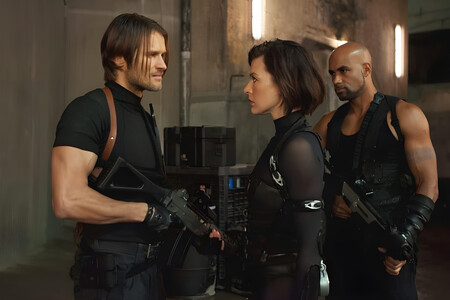
From a technical standpoint, the later entries in the Anderson series were pioneers in the use of 3D and high-frame-rate cinematography. Afterlife and Retribution (2012) were filmed using the Fusion Camera System, the same technology developed for Avatar. This commitment to visual spectacle ensured that the films felt like "events" in international territories, where the 3D boom was at its peak. The "fanservice" integrated into these films—such as the laser hallway sequence, the executioner Majini, and the appearance of the Wesker character—served as bridges between the film’s original narrative and the source material’s most iconic moments.
As the industry reflects on these films in 2026, the availability of the entire saga on streaming platforms like HBO Max and Netflix has facilitated a "comfort watch" status for the franchise. In an era of increasingly complex cinematic universes and serialized storytelling, the straightforward, visceral appeal of watching Alice battle hordes of the undead and Umbrella commandos offers a nostalgic simplicity. The films are being recognized not for what they failed to be—a literal translation of a survival-horror game—but for what they achieved: a high-grossing, internationally beloved action epic that defied the odds for over a decade.
In conclusion, the Resident Evil films directed by Paul W. Anderson represent a unique chapter in film history. They were the outliers that survived the "curse," the international juggernauts that ignored the critics, and the stylistic experiments that defined a decade of action-horror. Whether one views them as "ridiculous" or "brilliant," their impact on the global box office and their enduring presence in the streaming landscape are undeniable. As the franchise continues to evolve with new directors and visions, the Jovovich era stands as a monumental reminder of the power of genre cinema to captivate audiences worldwide, one explosion and one zombie horde at a time. For those looking to understand the DNA of modern video game movies, the six-film journey of Alice remains an essential, albeit chaotic, roadmap.

0 Comments