
The arrival of the Jurassic Park and Jurassic World film series on the Disney+ streaming platform marks a significant shift in the digital distribution landscape for one of cinema’s most lucrative intellectual properties. Historically managed under the Universal Pictures banner, the franchise’s migration to various streaming services, including Disney+, Netflix, and HBO Max, underscores the enduring demand for high-stakes science fiction and the specific cultural fascination with prehistoric life. With a cumulative global box office exceeding $7.7 billion, the saga represents a cornerstone of modern blockbuster filmmaking, blending cutting-edge visual effects with a cautionary narrative regarding scientific ethics and corporate overreach.
The franchise, which spans over three decades, has seen various peaks and troughs in both critical reception and commercial performance. While the original 1993 film remains a high-water mark for the genre, the subsequent sequels and the modern Jurassic World trilogy have expanded the scope of the narrative from a remote island disaster to a global ecological crisis. This expansion has been met with a polarized response from critics, even as audiences continue to flock to theaters in record numbers, ensuring that the "Jurassic" brand remains a dominant force in the entertainment industry.
The Genesis of a Phenomenon: The Spielberg Era
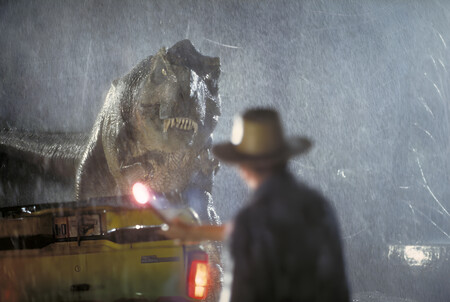
The foundation of the franchise was laid in 1993 with Steven Spielberg’s adaptation of Michael Crichton’s novel, Jurassic Park. The film’s production was a watershed moment for the film industry, primarily due to its revolutionary use of Computer-Generated Imagery (CGI) developed by Industrial Light & Magic (ILM) and life-sized animatronics created by the Stan Winston Studio. At the time of its release, the film was the highest-grossing movie ever made, a title it held until the release of Titanic in 1997.

Critics have maintained a consistently high opinion of the original installment, which currently holds a 91% approval rating on Rotten Tomatoes. Spielberg’s ability to balance "scientific wonder with survival horror" is often cited as the reason for its longevity. The film did not merely showcase dinosaurs; it explored the philosophical implications of de-extinction, a theme that remains relevant in contemporary discussions about genetic engineering and biotechnology.
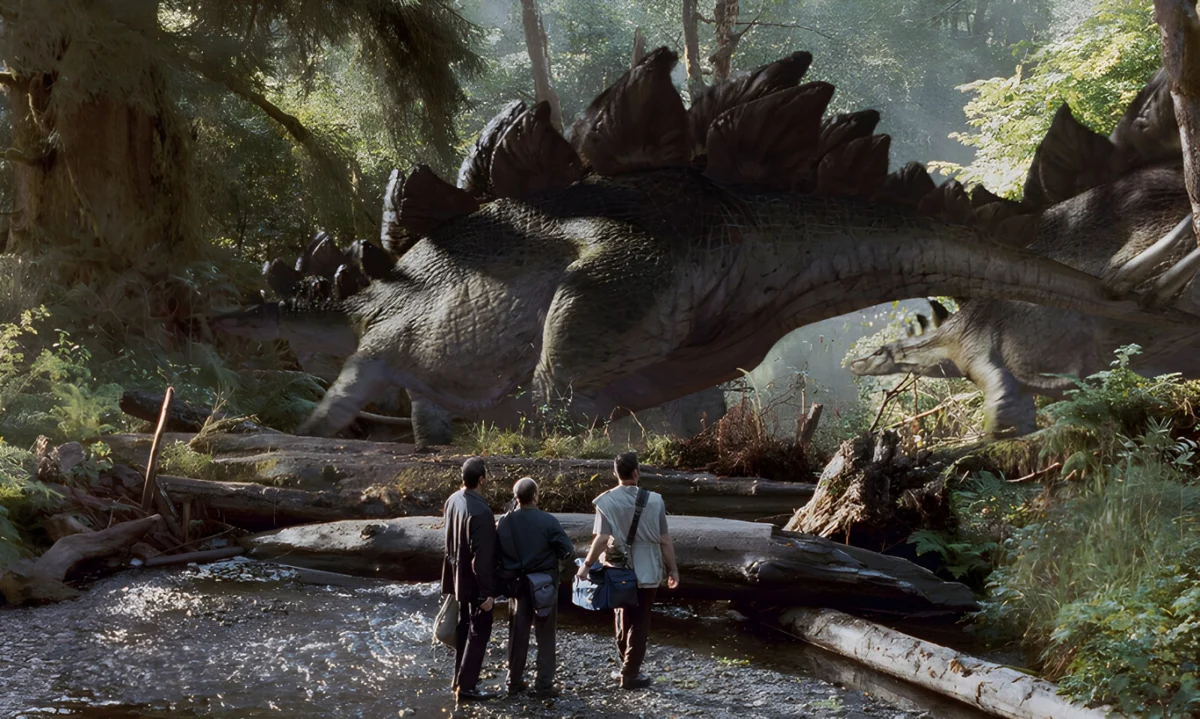
The success of the first film necessitated a sequel, leading to The Lost World: Jurassic Park in 1997. While it failed to replicate the critical acclaim of its predecessor, earning a 57% rating, it was a massive commercial success, grossing $618 million worldwide. Spielberg took a darker, more visceral approach to the sequel, characterized by sequences such as the double Tyrannosaurus Rex attack on a mobile laboratory and the raptor hunt in the long grass. These scenes are frequently highlighted by film historians as examples of Spielberg’s mastery of suspense and action choreography, despite a narrative that some critics found less cohesive than the original.

The Transition and the 14-Year Hiatus
The conclusion of the original trilogy came in 2001 with Jurassic Park III, directed by Joe Johnston. This installment marked the first time Spielberg did not occupy the director’s chair, serving instead as an executive producer. The film is often regarded as the "black sheep" of the original series, with a 49% critical approval rating. Despite its shorter runtime of 92 minutes and a more streamlined plot, the film introduced the Spinosaurus as a new apex predator, momentarily displacing the T-Rex as the franchise’s primary antagonist.
Following Jurassic Park III, the franchise entered a period of "development hell" that lasted fourteen years. Various scripts were commissioned and discarded, as the studio struggled to find a narrative path that could justify a return to the world of de-extinction. During this hiatus, the cultural footprint of the franchise remained strong through home media, theme park attractions, and a growing nostalgic appreciation for the original trilogy.
The Jurassic World Resurrection and Market Dominance
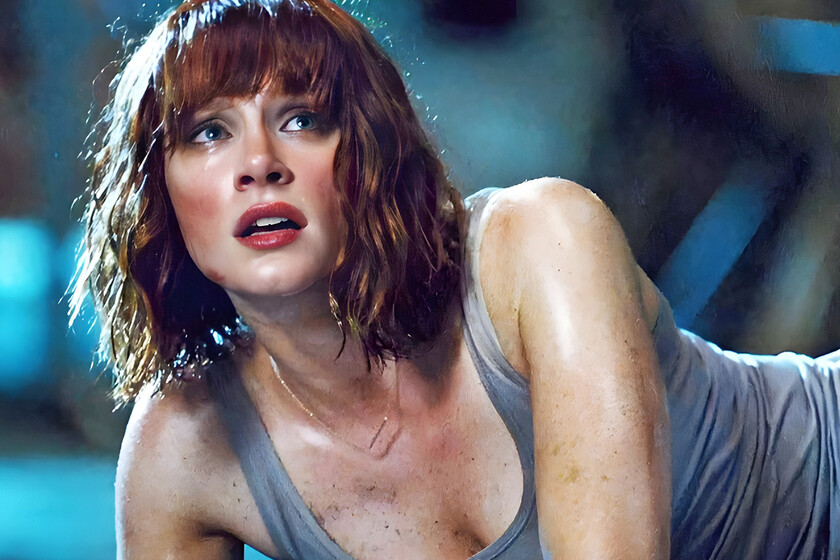
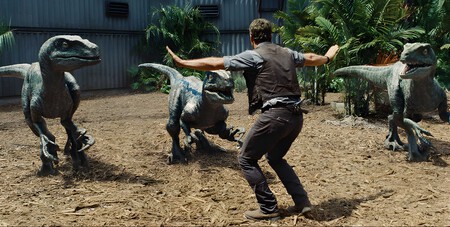
The franchise was successfully rebooted in 2015 with Jurassic World, directed by Colin Trevorrow. Starring Chris Pratt and Bryce Dallas Howard, the film modernized the premise by presenting a fully functional, corporate-managed dinosaur theme park. The meta-narrative of the film—dealing with the public’s demand for "bigger, faster, louder" attractions—mirrored the real-world pressure on Hollywood studios to produce escalating spectacles.
Jurassic World was a staggering financial triumph, grossing $1.67 billion and becoming, at the time, the third highest-grossing film in history. Critics were generally favorable, granting it a 72% rating. The film’s success proved that the "Jurassic" brand had transcended nostalgia and was capable of capturing a new generation of viewers. The inclusion of the Indominus Rex, a genetically modified hybrid, signaled a shift in the franchise from biological curiosity to science-fiction horror.
The 2018 sequel, Jurassic World: Fallen Kingdom, directed by J.A. Bayona, took a more gothic and artistic approach, particularly in its second half set within a claustrophobic mansion. While it earned $1.3 billion, its critical standing dropped to 47%. The film is perhaps best remembered for the somber destruction of Isla Nublar via volcanic eruption, a scene that many fans and critics cited as the most emotionally resonant moment of the new trilogy.
Critical Decline and the Future of the Saga
The conclusion of the modern trilogy, Jurassic World: Dominion (2022), sought to unite the original 1993 cast with the new stars. Despite its ambitious scale and a box office haul exceeding $1 billion, it received the lowest critical scores in the franchise’s history, sitting at a 28% approval rating. Critics argued that the focus on prehistoric locusts and a global conspiracy overshadowed the dinosaurs themselves, leading to a fragmented and overstuffed narrative.
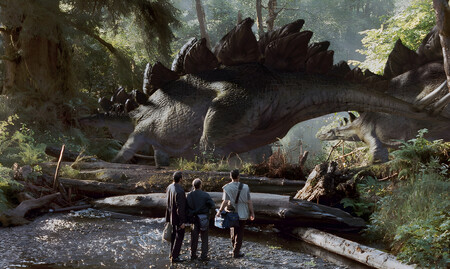
Looking ahead, the franchise is set to continue with Jurassic World: Rebirth, scheduled for 2025. Directed by Gareth Edwards, known for his work on Godzilla and Rogue One: A Star Wars Story, the film aims to reset the tone of the series. With a cast led by Scarlett Johansson, industry analysts suggest that the studio is attempting to pivot back toward a more grounded, suspense-driven experience. Early reports indicate that the film will explore a world where humans and dinosaurs must navigate a shared ecosystem, a premise established at the end of Dominion.
Technical Legacy and Scientific Impact
Beyond the box office, the Jurassic franchise has had a profound impact on the public perception of paleontology. While the films have often taken creative liberties with dinosaur anatomy—most notably the lack of feathers on many species and the oversized depiction of Velociraptors—they have been credited with sparking a "dinosaur renaissance." The original 1993 film, in particular, led to an increase in funding for paleontological research and a surge in students entering the field.

Technically, the series has served as a benchmark for the evolution of visual effects. The transition from the practical effects of the 1990s to the digital environments of the 2020s reflects the broader technological trajectory of the film industry. The franchise’s commitment to "tactile realism," even in its CGI-heavy entries, has influenced a generation of filmmakers to seek a balance between physical sets and digital enhancements.
Streaming Economics and Global Accessibility
The availability of these films on Disney+ represents a strategic licensing agreement that maximizes the reach of the intellectual property. In the current "streaming wars," content libraries are the primary currency for platform growth. By hosting the Jurassic saga, Disney+ bolsters its science fiction and family-friendly catalog, even though the property remains a Universal Pictures asset.
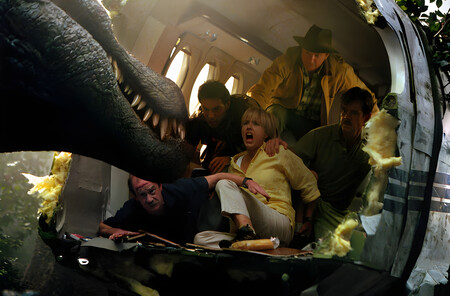
This multi-platform availability—across Disney+, Netflix, HBO Max, and Prime Video—highlights a shift away from platform exclusivity toward a more fragmented licensing model. For consumers, this means unprecedented access to the entire chronology of the franchise, allowing for a comprehensive retrospective of the series’ evolution from a single island adventure to a global epic.
Conclusion: The Enduring Appeal of De-extinction
The Jurassic franchise remains a unique entity in cinematic history. It is a series that has survived changes in directorial leadership, shifts in audience tastes, and a decade-and-a-half-long absence from the screen. Its core appeal lies in the primal thrill of seeing extinct creatures brought to life, combined with a persistent moral question: just because science can do something, does it mean it should?
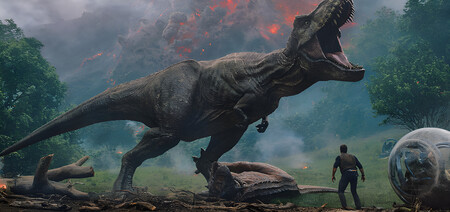
As the franchise prepares for its next chapter in 2025, the existing body of work serves as a testament to the power of high-concept storytelling. Whether viewed as a cautionary tale of corporate greed or a spectacular display of technical prowess, the Jurassic saga continues to captivate global audiences, ensuring that the legacy of the "dinosaurs" will not face extinction in the digital age. For viewers on Disney+ and beyond, the marathon of these films offers more than just entertainment; it provides a window into the evolution of the modern blockbuster.

0 Comments