
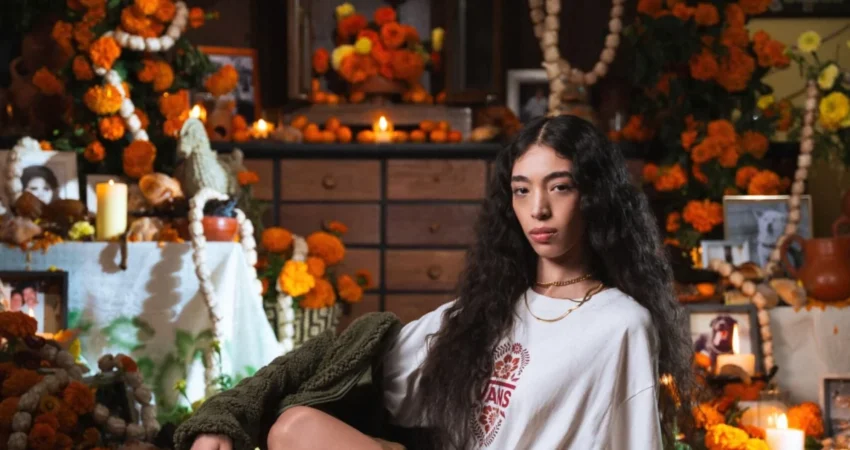
The intersection of ancestral tradition and contemporary fashion has reached a new pinnacle with the release of the 2026 Día de Muertos sneaker collections. Major global footwear entities, including Nike, Adidas, Vans, Converse, and Puma, have debuted their annual commemorative editions, signaling a shift from temporary seasonal novelties to sophisticated wardrobe staples designed for longevity. These collections do not merely serve as retail products but as medium-form expressions of identity, utilizing the iconography of the Mexican holiday to communicate deep-seated cultural narratives. As the Fall-Winter 2026 season approaches, the industry is witnessing a refined approach to "cultural storytelling" through footwear, where symbolic elements like the xoloitzcuintle, cempasúchil flowers, and traditional confectionery are integrated into high-performance and lifestyle silhouettes.

The 2026 Design Philosophy: From Ephemeral Trends to Timeless Heritage
For the 2026 cycle, designers have pivoted away from the overly bright, neon-heavy aesthetics of previous years, opting instead for a palette grounded in the earthy, organic tones of the ofrenda (altar). The prevailing trend for the Autumn-Winter 2026 season emphasizes versatility, encouraging consumers to integrate these culturally significant pieces into daily attire rather than reserved usage for the holiday itself. This strategic shift addresses the growing consumer demand for "slow fashion"—items that possess a narrative value while remaining aesthetically relevant beyond a single month.
Leading this movement is Vans, which has collaborated with Mexican designer Mauricio Garfias for the "Homenaje" series. This collection features the Super LowPro and the classic Old School silhouettes. The color stories are intentionally subtle, drawing inspiration from piloncillo (unrefined cane sugar) and camote (sweet potato), two staples of the traditional Day of the Dead altar. The use of premium suede and muted, "washed" tones allows these sneakers to pair seamlessly with contemporary denim, such as faded brown straight-leg jeans or burgundy corduroy, bridging the gap between ritualistic symbolism and urban sophistication.

Symbolic Narratives: Mythology and the Journey to Mictlán
The 2026 collections are distinguished by their depth of research into Pre-Hispanic mythology. Nike’s contribution, the Air Jordan 1 Mid SE "Día de Muertos," moves beyond the surface-level imagery of sugar skulls to explore the legend of the Xoloitzcuintle. In Aztec mythology, this hairless dog serves as the guide for souls navigating the nine levels of Mictlán, the underworld.
The 2026 iteration utilizes a "dusty rose" or earth-toned pink palette, a departure from the vibrant purples often associated with the holiday. This color choice reflects the transition between worlds, offering a softer, more introspective take on the theme. The material construction includes textured overlays that mimic the skin of the Xoloitzcuintle, providing a tactile connection to the myth. Industry analysts suggest that this focus on specific mythological figures reflects a maturing market where consumers seek authentic representation over generic cultural motifs.

Similarly, Adidas has introduced the "Jabbar" model for 2026, a silhouette that pays homage to obsidian—the volcanic glass used by ancient Mesoamerican civilizations for both ritual tools and mirrors. The design utilizes a mix of matte and high-gloss black leather to replicate the reflective properties of the stone. By focusing on obsidian, Adidas taps into the concept of the "smoking mirror" associated with the deity Tezcatlipoca, further elevating the sneaker from a consumer good to a piece of wearable history.
Chronology of a Cultural Phenomenon: The Rise of the Holiday Drop
The practice of releasing special edition sneakers for Día de Muertos has followed a clear chronological evolution over the last decade:

- 2010–2017: Early experiments. Brands released limited-run "Mexico-exclusive" models, often featuring basic skull prints and bright orange accents. These were largely seen as niche collector items.
- 2018–2021: Global expansion. Following the international success of films like Coco and Spectre, brands recognized the global appeal of the holiday. Nike’s "Somos Familia" and "Para Mi Familia" campaigns established the holiday as a major pillar in the annual release calendar.
- 2022–2025: Artistic collaboration. Brands began partnering directly with Mexican artists and workshops (such as the Oaxacan alebrije artisans) to ensure cultural accuracy and support local talent.
- 2026: The Year of Sophistication. The current season marks the transition to "lifestyle integration." The designs are more understated, focusing on materials like suede, velvet, and leather, and the narratives focus on deeper philosophical concepts of life, death, and memory.
Market Data and Economic Impact of Cultural Editions
The "Cultural Edition" sneaker market has become an essential revenue driver for the footwear industry in Latin America. According to retail data projections for 2026, the Mexican footwear market is expected to grow by 5.4% annually, with "special edition" heritage models accounting for nearly 12% of total Q4 sales.
Consumer behavior studies indicate that Gen Z and Millennial shoppers in Mexico and the United States are the primary drivers of this trend. For these demographics, the purchase of a Día de Muertos sneaker is often viewed as an act of "identity reclamation." Data from 2025 indicated that 68% of Mexican sneaker consumers preferred brands that actively collaborated with local artists over those that used generic stock imagery. This has forced global corporations to invest more heavily in local R&D and authentic storytelling, as evidenced by the 2026 lineups.

Brand Breakdown: The 2026 Commemorative Roster
Converse: The Light of the Altar
The 2026 Converse Chuck Taylor All-Star high-top takes a minimalist approach. The cream-colored canvas serves as a backdrop for intricate embroidery depicting candles and cempasúchil petals. This design honors the "path of light" created to lead spirits back home. The choice of a neutral base allows the sneaker to be styled with high-concept fashion, such as Zara’s 2026 floral-motif denim or oversized denim shirts, creating a look that is both festive and everyday-appropriate.
Puma: Floral Suede and Craftsmanship
Puma’s "Suede" edition for 2026 focuses on the botanical aspect of the tradition. The shoe features heavy 3D embroidery of the marigold (cempasúchil), using varying shades of orange and yellow thread to create depth. By utilizing the iconic Suede silhouette, Puma maintains its athletic heritage while embracing the artisanal textures of Mexican embroidery.

Adidas: The Obsidian Jabbar
As previously noted, the Adidas Jabbar focuses on the obsidian element. The technical challenge of 2026 was the "sudden cooling" texture—a finish on the leather that looks like flowing lava that has just solidified. This model is being marketed as the most "versatile" of the collection, designed to be worn with "boyfriend" jeans or monochrome black suits, emphasizing the brand’s commitment to the "sneakers as formalwear" trend.
Industry Responses and Ethical Implications
The 2026 releases have been met with generally positive responses from cultural critics, though the conversation regarding "cultural appropriation versus appreciation" remains active. In a statement regarding the 2026 launch, a spokesperson for a leading footwear conglomerate noted: "Our goal is to act as a platform for Mexican culture, not just a retailer. By partnering with local designers like Mauricio Garfias, we ensure that the financial and creative benefits of these collections are shared with the community that inspired them."

Ethical fashion advocates have pointed out that the 2026 collections show a marked improvement in how brands handle sacred symbols. There is a noticeable absence of the "cartoonish" elements that characterized early 2010s releases. Instead, the focus on materials (suede, velvet, obsidian-like leather) suggests a respect for the "gravitas" of the holiday.
Broader Impact: The Future of Heritage-Based Design
The success of the 2026 Día de Muertos collections is expected to influence how global brands approach other regional holidays, such as Lunar New Year or Diwali. The "Mexican Model"—characterized by deep mythological research, local artistic collaboration, and a focus on year-round wearable aesthetics—is becoming the blueprint for the industry.

Furthermore, the 2026 season highlights the role of sneakers as "objects of memory." In a digital age, these physical items serve as a tangible link to family history and national pride. As consumers continue to move away from fast fashion, the "story" behind the sneaker becomes as important as the technology inside the sole. The 2026 Día de Muertos editions prove that when fashion respects tradition, it ceases to be a trend and becomes a legacy.

0 Comments