
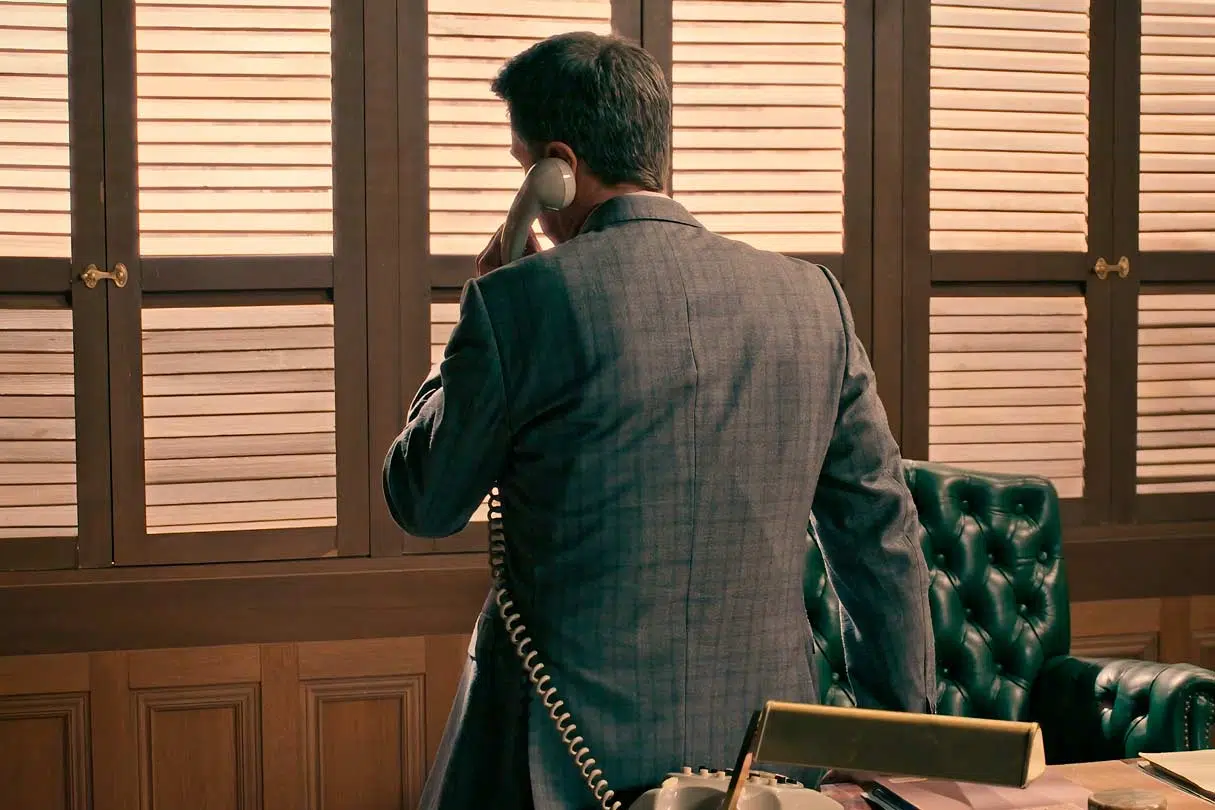
The tension within the De la Reina perfumery is escalating, as the company grapples with a sharp decline in sales of its classic fragrance lines and a critical logistical bottleneck threatening to halt production. Director Gabriel De la Reina is at the helm, desperately seeking solutions to navigate the company through this turbulent period, while internal conflicts and external pressures compound the crisis.
Sales Plummet for Heritage Fragrances
For an undisclosed period, De la Reina’s iconic classic perfumes have failed to resonate with contemporary consumers, leading to a precipitous drop in sales figures. While the exact percentage of this decline has not been publicly disclosed, industry analysts suggest that heritage brands in the luxury sector are facing increased competition from niche perfumers and digitally native brands that offer more personalized and trend-driven products. The traditional approach of De la Reina appears to be losing its appeal in a market that increasingly values innovation and unique olfactory experiences.
Gabriel De la Reina, the current director, is reportedly determined to reverse this trend and restore the brand’s former glory. However, his efforts are met with skepticism from within the organization. One internal exchange captured a stark disagreement, where Gabriel was assured that sales would rebound. His response, "That’s what you’d like to hear," underscores a deep-seated distrust in optimistic forecasts and a realization that the situation is more dire than some are willing to acknowledge.
Internal Power Struggles and Strategic Disagreements
The leadership at De la Reina is characterized by a palpable friction, particularly between Gabriel and other key figures. A scene depicts an individual attempting to persuade Gabriel that sales will improve, a notion he vehemently rejects. This exchange highlights a fundamental disconnect in how the company’s current challenges are being perceived and addressed. Gabriel’s frustration is evident, but so is his resolve to maintain control and implement his vision for recovery.
Adding to the internal strife, Gabriel announces his intention to contact Hugo to discuss a campaign aimed at boosting sales. This declaration is met with a sharp reminder: "I remind you that I am still the director." Gabriel’s response, "Go ahead," is laced with a sarcastic addendum, "as you always do," suggesting a history of credit-taking and undermining. This internal power dynamic complicates any unified approach to crisis management. The specific roles and titles of these individuals, beyond Gabriel’s directorship, remain unclear, but the exchanges point to a fractured leadership structure.
Logistical Catastrophe Looms: The French Transport Strike
Beyond the internal disputes, a significant external threat looms: a severe logistical disruption. A critical shortage of perfumes is exacerbated by the news that new shipments will be delayed due to strikes by French transport workers. This reliance on French logistics for crucial supplies has become a critical vulnerability, threatening to paralyze the company’s operations.
The dependence on France for raw materials or finished goods is a common challenge for many European luxury brands. However, the current labor disputes in the French transport sector have created a cascading effect, impacting supply chains across various industries. The De la Reina perfumery finds itself caught in the crossfire, highlighting the fragility of globalized supply networks.

A suggestion to manufacture in Morocco, a move made previously by the company, is swiftly dismissed by Gabriel. This rejection indicates a strategic decision to maintain the brand’s established production and sourcing methods, even in the face of current challenges, or perhaps a belief that the Moroccan operation is not a viable immediate solution for the current crisis.
Gabriel’s Desperate Gamble: A Conference Call to Paris
In a bid to circumvent the immediate logistical crisis, Gabriel initiates an urgent conference call to Paris. "Operator, I would like to place a conference call to Paris. Yes, José Cosmetic, on behalf of Gabriel De la Reina," he states, his voice conveying the urgency of the situation. The mention of "José Cosmetic" suggests a key supplier or partner in the French capital, indicating that the crisis extends beyond mere transport and may involve production or sourcing issues directly with this entity.
The conversation with Hugo is brief but pivotal. Gabriel reveals a potential game-changer: "I’ve had an idea to be able to continue selling the products without them having to come from France." This clandestine proposition suggests a plan to find an alternative source or method of distribution that bypasses the French supply chain entirely. The implications of this strategy are significant, potentially offering a lifeline but also risking further alienation of existing partners or a deviation from established brand standards.
Parallel Plans and Conflicting Agendas
Unbeknownst to Gabriel, other initiatives are underway within De la Reina. Digna and Clara are reportedly preparing a grand reception intended to re-establish the prestige of the classic perfumes. This event suggests a concerted effort to reignite public interest through curated experiences and brand storytelling, a strategy often employed by luxury houses to reconnect with their heritage.
Meanwhile, Andrés is proposing advertising campaigns that, according to the report, lack full backing. This indicates a fragmentation of marketing strategies, with different factions pursuing their own agendas, potentially diluting the overall impact and leading to wasted resources. The company appears to be operating on multiple fronts, with no clear overarching strategy, creating a chaotic environment.
The Lingering Uncertainty and the Future of De la Reina
The chapter concludes with an unsettling question: if Gabriel’s idea succeeds, it may help him overcome the logistical hurdles. However, it could also widen the rift with those who already doubt his decisions. In the narrative of ‘Sueños de Libertad’ (Dreams of Freedom), each solution seems to spawn a new problem, and the De la Reina perfumes remain at the epicenter of an unrelenting storm.
The core issue at play is the company’s inability to adapt its product offering and supply chain to the evolving demands of the modern consumer. The reliance on traditional, classic fragrances, while once a source of strength, has become a liability in a market that favors novelty and personalization. The internal power struggles and the critical logistical dependencies highlight a company that is struggling to manage its legacy while facing the harsh realities of the contemporary business landscape.
The situation at De la Reina serves as a microcosm of the challenges faced by many established luxury brands. The need to balance heritage with innovation, maintain internal cohesion amidst diverse opinions, and secure resilient supply chains are paramount for survival. The coming weeks will likely determine whether Gabriel’s bold, albeit risky, gambit can save the perfumery from succumbing to the pressures, or if it will push the brand further into uncharted and potentially perilous territory. The De la Reina name, once synonymous with olfactory excellence, now hangs precariously in the balance, a testament to the volatile nature of the luxury goods market.

0 Comments