
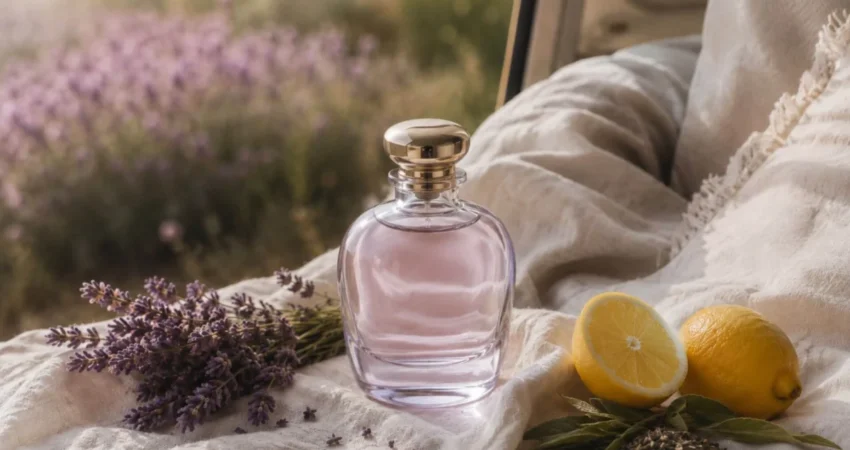
The enduring legacy of lavender in the global fragrance industry represents a unique intersection of botanical history, cultural evolution, and modern olfactory science. Long before it became a staple of contemporary aromatherapy and sleep-inducing mists, lavender served as the primary aromatic foundation for public baths, textile preservation, and medicinal waters throughout the Mediterranean basin. While the modern consumer often associates the plant exclusively with the rolling purple horizons of French Provence, the various species of the genus Lavandula are indigenous to a much broader geographical range, including the mountainous regions of the Mediterranean, the Arabian Peninsula, and Russia. The resurgence of lavender in the 21st-century perfume market, particularly through sophisticated formulations like the 4711 Remix Lavender Edition and L’Occitane’s Lavande Blanche, signals a departure from traditional "apothecary" associations toward a new identity as a versatile, professional, and gender-neutral fragrance component.

A Chronological History of Lavender in Olfactory Culture
The relationship between humanity and lavender is documented as far back as the Roman Empire. The very name of the plant is derived from the Latin verb lavare, meaning "to wash," a linguistic vestige of the Roman practice of using lavender infusions to scent bathwater and laundry. During this era, lavender was prized not only for its clean, herbal aroma but also for its antiseptic properties. Following the collapse of the Roman Empire, lavender remained a constant in European monastic gardens throughout the Middle Ages, where it was utilized by monks and early herbalists to combat "miasma" or foul air, which was then believed to be the primary carrier of disease.
The transition of lavender from a medicinal herb to a cornerstone of high perfumery occurred most significantly in the late 19th century. The year 1882 marked a definitive turning point with the release of Fougère Royale by the house of Houbigant. Created by perfumer Paul Parquet, this fragrance utilized a groundbreaking combination of lavender, oakmoss, bergamot, and synthetic coumarin. This composition birthed the "Fougère" (fern-like) olfactory family, which would go on to dominate masculine perfumery for over a century. By the early 20th century, lavender had become synonymous with the "barbershop" aesthetic, characterized by a sharp, clean, and bracing profile that defined the grooming habits of generations.

The Botanical Complexity of Lavender Species
To understand the diversity of modern lavender perfumes, it is necessary to distinguish between the various grades of the raw material. Perfumery generally utilizes two primary varieties: Lavandula angustifolia (often referred to as "fine lavender" or "true lavender") and Lavandula x intermedia (commonly known as "lavandin").
Fine lavender is typically grown at higher altitudes and is prized by luxury perfumers for its nuanced profile, which includes floral, green, and slightly sweet honey-like facets. In contrast, lavandin is a hybrid plant that is hardier and yields significantly more oil per hectare. Its scent profile is noticeably more intense, featuring sharp, camphoraceous notes that are frequently utilized in functional perfumery, such as soaps and detergents. Modern artisanal fragrances often seek to bridge this gap, using high-quality lavender essential oils to evoke the sensation of sun-warmed herbs and dry Mediterranean air, moving away from the "dusty" or "soapy" connotations that plagued lavender scents in the mid-20th century.

Analyzing the 4711 Remix Lavender Edition and the "Van Life" Movement
A prominent example of the contemporary lavender revival is the 4711 Remix Lavender Edition. Launched in 2019 as part of a strategic effort by the historic House of 4711 to modernize its image, this fragrance reinterprets the brand’s classic Eau de Cologne structure around a central lavender theme. Interestingly, the marketing narrative for this edition departed from traditional luxury tropes, instead drawing inspiration from the "Van Life" movement and the concept of nomadic freedom. This positioning sought to align the fragrance with themes of spontaneity, nature, and the "great outdoors."
The olfactory architecture of the 4711 Remix Lavender Edition is designed to provide a bright, invigorating opening followed by a soft, lingering finish. The top notes feature a citrus cocktail of lemon and bergamot, which serves to amplify the natural freshness of the lavender. A unique addition to the head of the fragrance is mate tea, which contributes a dry, herbal, and slightly smoky quality, preventing the lavender from becoming overly sweet.

As the fragrance develops, the heart reveals the presence of iris. In perfumery, iris is often used to provide a "powdery" or "cosmetic" texture, which in this context serves to soften the sharp edges of the lavender. The base of the fragrance is anchored by white musk and a subtle hint of praline. The inclusion of praline is a nod to modern "gourmand" trends, yet it is used with enough restraint to ensure the fragrance remains categorized as a fresh cologne rather than a heavy dessert-like scent. Despite being a limited release from several years ago, the 4711 Remix Lavender Edition remains a sought-after item in specialty retail, often retailing for approximately 13.55 euros for a 150ml bottle, representing significant value in the "office-safe" fragrance category.
Comparative Market Analysis: L’Occitane’s White Lavender
The trend toward "clean" and "luminous" lavender is further exemplified by L’Occitane en Provence’s Lavande Blanche (White Lavender). While traditional lavender is associated with deep purples and violets, white lavender offers a different olfactory perspective. L’Occitane, a brand deeply rooted in the agricultural traditions of Provence, developed this fragrance to highlight the softer, more ethereal side of the plant.

Lavande Blanche utilizes bergamot to clarify the opening, but its core strength lies in the pairing of lavender with rose and white musks. This combination creates an effect often described by critics as "sun-dried linens" or "freshly laundered silk." Unlike the more aromatic and slightly gourmand-leaning 4711 Remix, L’Occitane’s offering leans into the floral and "clean" categories. Marketed at 60 euros for a 50ml bottle, it represents the premium tier of botanical-focused fragrances, targeting consumers who prioritize naturality and high-quality sourcing in their beauty regimens.
Market Trends and the Rise of the "Office-Safe" Fragrance
The resurgence of lavender-based colognes is intrinsically linked to broader shifts in consumer behavior within the global fragrance market. Industry data from 2023 and 2024 indicates a growing demand for "skin scents" and fragrances with low sillage—the trail left by a perfume. In professional environments, there has been a documented move away from "power scents" (heavy orientals or loud florals) in favor of fragrances that project a sense of hygiene, calm, and understated elegance.

Lavender is uniquely positioned to fulfill this demand. Its inherent association with cleanliness makes it an ideal choice for the workplace, where an overbearing fragrance can often be perceived as intrusive. Furthermore, the psychological impact of lavender cannot be overlooked. Clinical studies have long suggested that the scent of lavender can reduce cortisol levels and promote a sense of well-being. In a post-pandemic world characterized by high stress and the blending of home and office environments, consumers are increasingly turning to scents that offer both a professional "clean" aesthetic and a personal "calming" effect.
Economic Implications and the Future of Lavender Sourcing
The perfume industry’s renewed interest in lavender also brings significant economic and environmental implications. France remains the global leader in the production of fine lavender, with the industry contributing significantly to the economy of the Provence-Alpes-Côte d’Azur region. However, the sector faces challenges from climate change and the spread of phytoplasmas—bacteria-like organisms that affect plant health.

In response, major fragrance houses and brands like L’Occitane have invested in sustainable harvesting techniques and the cultivation of more resilient lavender varieties. This focus on "traceability" and "sustainability" has become a key selling point for modern fragrances. Consumers are no longer just buying a scent; they are buying a narrative of agricultural heritage and environmental responsibility. As lavender continues to evolve from a vintage staple to a modern luxury, its success will depend on the industry’s ability to balance this heritage with innovative chemistry and sustainable practices.
Broader Impact on Gender-Neutral Perfumery
Finally, the evolution of lavender reflects the ongoing "degendering" of the fragrance industry. For decades, lavender was strictly cordoned off into the masculine "Fougère" category or the feminine "Apothecary" category. Modern formulations have dismantled these barriers. By blending lavender with traditionally feminine notes like iris and rose, or traditionally masculine notes like mate and cedarwood, brands are creating "universal" scents that appeal to a diverse demographic.

The success of the 4711 Remix series and L’Occitane’s botanical collections suggests that the modern consumer is less concerned with whether a scent is marketed "for men" or "for women" and more concerned with the quality of the ingredients and the emotional response the scent evokes. Lavender, with its clean, herbal, and timeless profile, is perhaps the most effective tool in the perfumer’s arsenal for achieving this universal appeal. As we look toward future trends, it is clear that lavender will remain a vital component of the olfactory landscape, continuing its journey from the ancient Roman bath to the modern professional’s desk.

0 Comments