
 Nila Kartika Wati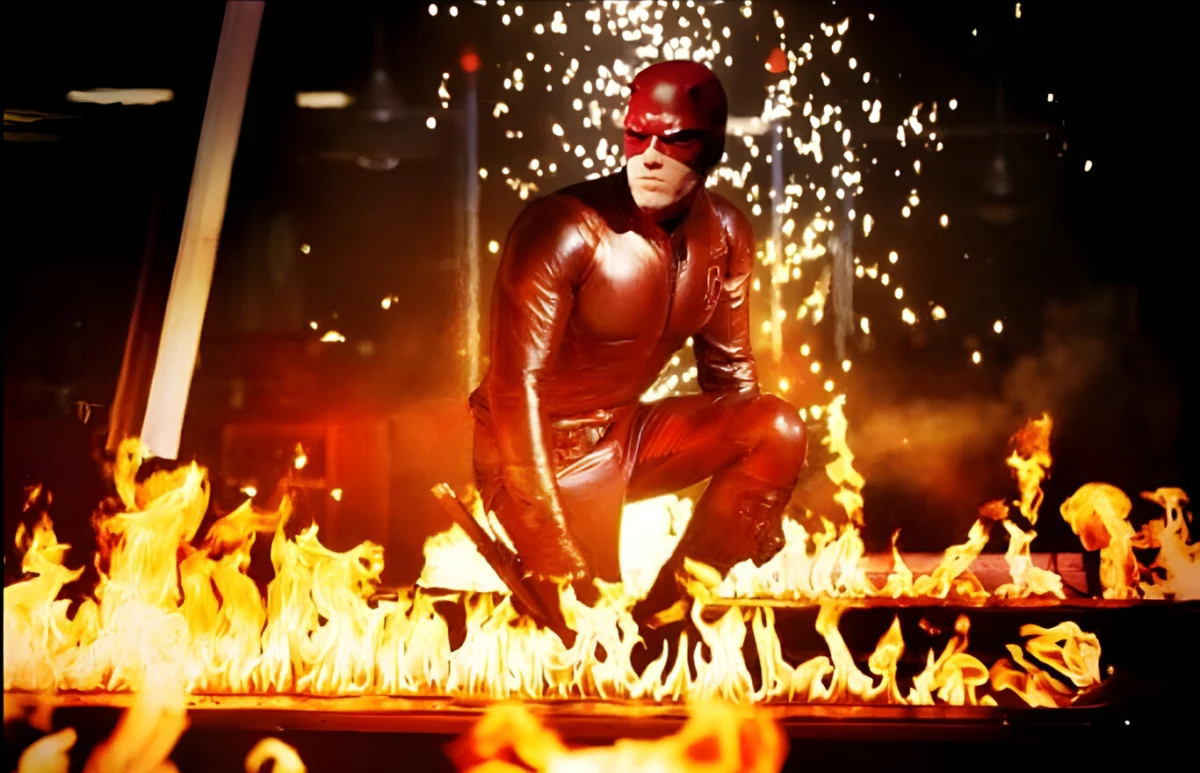
The landscape of superhero cinema in the early 2000s was a period of volatile experimentation, a far cry from the interconnected, multi-billion-dollar machinery of the contemporary Marvel Cinematic Universe (MCU). Within this era, 20th Century Fox’s Daredevil (2003) remains one of the most polarizing entries in the genre. Starring Ben Affleck as the titular blind lawyer-turned-vigilante, the film was released during a transitional phase for comic book adaptations, sandwiched between the groundbreaking success of Sam Raimi’s Spider-Man (2002) and the gritty realism of Christopher Nolan’s Batman Begins (2005). As Marvel Studios prepares for the highly anticipated second season of Daredevil: Born Again on Disney+, the 2003 film is experiencing a significant resurgence in interest, prompted by both nostalgic curiosity and the recent return of legacy characters in the multiverse-spanning Deadpool & Wolverine.
The Production Context and the Pre-MCU Superhero Landscape
In 2003, the blueprint for a successful superhero film was not yet codified. Directors and studios were still grappling with how to translate the heightened reality of comic books into a medium that appealed to general audiences. Mark Steven Johnson, the writer and director of Daredevil, sought to create a film that leaned into the "Marvel Knights" aesthetic—a darker, more mature line of comics that revitalized the character in the late 1990s.
Unlike the bright, primary colors of the Spider-Man films, Daredevil was designed with a heavy noir influence. The production team utilized a desaturated color palette, high-contrast lighting, and a gritty urban setting to reflect the character’s home in Hell’s Kitchen, New York. This stylistic choice was a deliberate attempt to honor the work of Frank Miller, whose run on the Daredevil comics in the 1980s defined the character’s modern identity. The film’s narrative focused on Matt Murdock, a man blinded by radioactive waste as a child, whose remaining senses were heightened to superhuman levels. By day, Murdock served as a defense attorney alongside his partner Franklin "Foggy" Nelson (Jon Favreau); by night, he sought the justice that the legal system failed to provide.
A Chronology of the Daredevil Cinematic Rights
The journey of Daredevil to the big screen was a long and arduous process that began decades before the 2003 release. Understanding this timeline is essential to grasping the film’s place in history:
- 1989: The character makes his first live-action appearance in the television movie The Trial of the Incredible Hulk, played by Rex Smith. This was intended as a backdoor pilot for a series that never materialized.
- 1997: 20th Century Fox acquires the film rights to the character from Marvel Enterprises, which was then emerging from bankruptcy.
- 2001: Production officially begins with Ben Affleck cast as Matt Murdock. Affleck, a lifelong comic book fan, was chosen for his rising star power and physical stature.
- February 2003: Daredevil is released in theaters. Despite mixed reviews, it performs well at the box office.
- 2004: The Director’s Cut is released on DVD, significantly altering the film’s reputation among hardcore fans.
- 2012: The film rights to Daredevil revert from 20th Century Fox to Marvel Studios/Disney after Fox fails to begin production on a reboot before a contractual deadline.
- 2015: The Netflix Daredevil series premieres, starring Charlie Cox, moving the character into a serialized, street-level format.
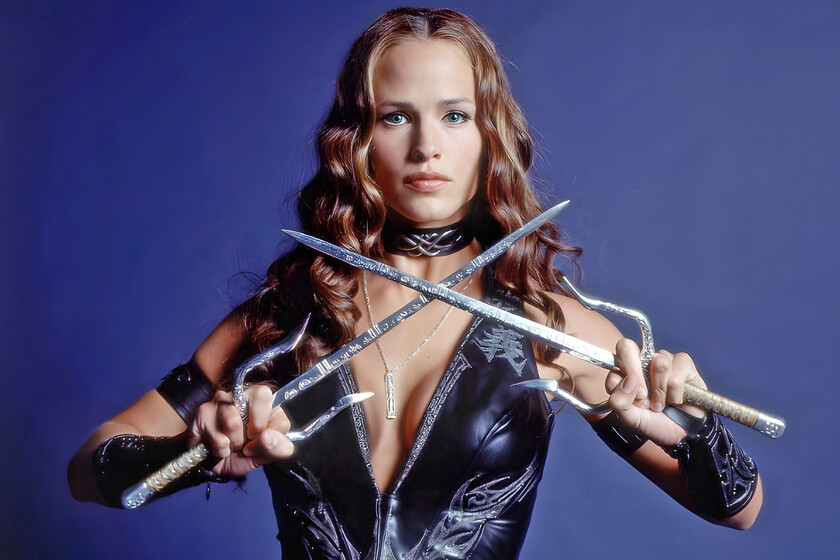
- 2024: Jennifer Garner reprises her role as Elektra from the 2003 film in Deadpool & Wolverine, officially linking the Fox-era film to the MCU via the multiverse.
Financial Performance and Industry Impact
From a financial perspective, Daredevil (2003) was a clear success for 20th Century Fox. According to data from Box Office Mojo, the film opened to a robust $40.3 million during its four-day President’s Day weekend. It eventually grossed $102.5 million domestically and $76.6 million internationally, for a worldwide total of approximately $179.2 million. Given its production budget of roughly $78 million, the film was profitable and justified a spin-off, Elektra (2005), although that project failed to replicate its predecessor’s success.

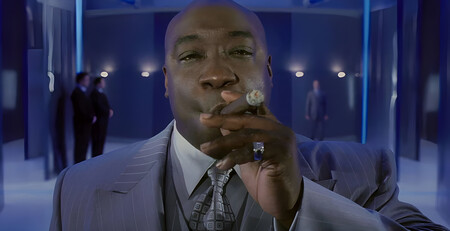
The film’s performance proved that "B-list" Marvel characters—those without the household name recognition of Spider-Man or the X-Men—could carry a major motion picture. This realization paved the way for future adaptations of darker, more complex characters. Furthermore, the casting of Michael Clarke Duncan as Wilson Fisk (The Kingpin) was a landmark moment in "color-blind" casting for the genre, as the character had traditionally been depicted as white in the comics. Duncan’s commanding performance remains one of the most praised aspects of the production.
The Redemption of the Director’s Cut
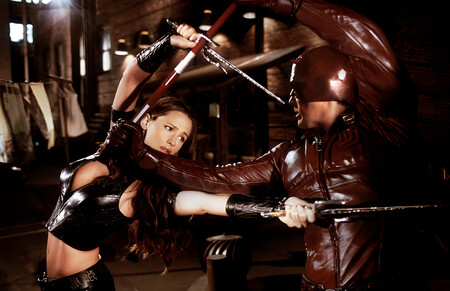
One of the most significant chapters in the history of Daredevil (2003) is the release of the Director’s Cut. The theatrical version was criticized for its uneven tone, which attempted to balance a dark revenge story with a studio-mandated romantic subplot between Murdock and Elektra Natchios (Jennifer Garner).
The Director’s Cut added roughly 30 minutes of footage while removing several scenes that were deemed out of place. Most notably, it restored an entire subplot involving a legal case played by Coolio, which grounded the film more firmly in Murdock’s life as a lawyer. This version emphasized the "detective" aspect of the character and leaned further into the religious themes of Catholic guilt that are central to the Daredevil mythos.
Critics and fans who revisited the film through this version often noted that it felt like a more cohesive, adult-oriented experience. Variety and other trade publications have since acknowledged that the Director’s Cut effectively solved many of the pacing and tonal issues that plagued the theatrical release, transforming it into a more faithful representation of the source material.
Statements and Reactions from the Cast and Crew
The legacy of the film has been discussed frequently by its stars. Ben Affleck has famously expressed mixed feelings about the project, often stating that it was the one film he wished he could redo, which partly fueled his desire to play Batman later in his career. In a 2016 interview, Affleck remarked, "I hate Daredevil so much. It frustrated me. The Netflix show does really cool stuff. I felt like that was there for us to do with that character, and we never quite got it right."
Conversely, the recent inclusion of Jennifer Garner’s Elektra in the MCU has offered a sense of closure and celebration for that era. Garner’s return was met with significant fan enthusiasm, suggesting that while the 2003 film may be flawed, the audience’s connection to these specific iterations of the characters remains strong. This "multiversal redemption" has allowed modern viewers to look back at the 2003 film not as a failure, but as a necessary stepping stone in the evolution of the genre.

Analytical Implications: The Bridge to Modernity
Analyzing Daredevil (2003) today reveals a film that was caught between two worlds. It featured the "nu-metal" soundtrack and leather-clad aesthetics typical of early 2000s action cinema (reminiscent of The Matrix), yet it also experimented with innovative visual techniques to depict Matt Murdock’s "radar sense." The use of CGI to create a world of sound was ambitious for its time and set a precedent for how non-visual senses could be translated to film.
Furthermore, the film’s portrayal of Bullseye (Colin Farrell) provided a campy, theatrical villainy that contrasted sharply with Affleck’s stoic Murdock. This dichotomy reflected the industry’s uncertainty at the time: should superhero movies be serious dramas or colorful spectacles? The MCU eventually found a way to blend these elements through its "formula," but Daredevil (2003) stands as a raw, unrefined example of the struggle to find that balance.
Conclusion: Why It Deserves a Second Chance
As Daredevil: Born Again approaches, revisiting the 2003 film provides valuable context for the character’s journey. It serves as a time capsule of a pre-MCU world where filmmakers were taking risks without the safety net of a shared universe. The film’s focus on the heavy physical and emotional toll of being a hero—shown through Matt Murdock’s scarred body and his reliance on sensory deprivation tanks to sleep—offered a level of vulnerability that is often missing from modern, "invincible" superheroes.
Whether viewed as a nostalgic artifact or a misunderstood noir experiment, Daredevil (2003) remains a foundational piece of Marvel’s cinematic history. Its availability on platforms like Disney+ and Prime Video allows a new generation of fans to decide for themselves if the "Man Without Fear" truly deserved the harsh criticism he received two decades ago. In the current era of the multiverse, where no version of a character is ever truly gone, the 2003 film is no longer an outlier; it is a vital part of the tapestry that led to the golden age of superhero storytelling.

 Eva Lovia
 Julia Chirkova
 Julia Prastini
 Jia Lissa
 admin
admin