
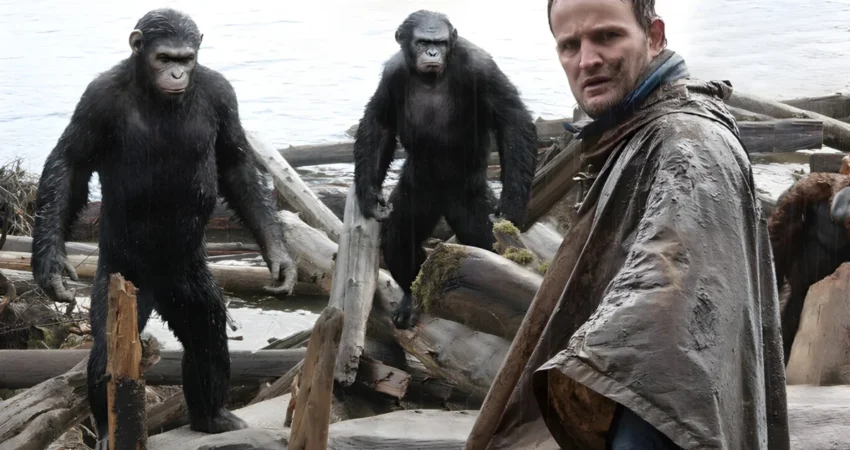
The landscape of digital streaming continues to undergo significant shifts as major studios consolidate their intellectual properties within their proprietary platforms. In a move that highlights the ongoing reorganization of the Warner Bros. Discovery and Disney licensing agreements, three of the most critically acclaimed entries in the modern Planet of the Apes franchise are scheduled to exit the HBO Max (now rebranded as Max in several regions) catalog. Subscriptions holders have until September 7 to stream Dawn of the Planet of the Apes, War for the Planet of the Apes, and the most recent theatrical release, Kingdom of the Planet of the Apes. This departure marks the end of a multi-year licensing window and signals a more permanent transition of the franchise to Disney+, following the 2019 acquisition of 21st Century Fox by The Walt Disney Company.
The modern Planet of the Apes saga, which began in 2011 with Rise of the Planet of the Apes, has been heralded as one of the most successful and intelligent reboots in cinematic history. Unlike many contemporary blockbusters that rely heavily on spectacle at the expense of narrative depth, this series has garnered praise for its philosophical exploration of leadership, the morality of war, and the blurred lines between human and animal nature. The three films currently leaving the Max platform represent the evolution of this narrative from a localized uprising to a global shift in planetary dominance.
A Legacy of Financial and Critical Success
The commercial viability of the Planet of the Apes franchise remains a benchmark for the science fiction genre. Collectively, the modern films have generated over $1.6 billion at the global box office. This financial success has been mirrored by an unusually high level of critical acclaim, with the "Caesar Trilogy" (Rise, Dawn, and War) maintaining some of the highest Rotten Tomatoes scores for any modern film franchise.

The departure of these titles from Max is particularly noteworthy for fans of high-concept science fiction. The films utilize the "Simian Flu" (ALZ-113)—a man-made virus designed to cure Alzheimer’s that inadvertently grants apes intelligence while proving fatal to humans—as a catalyst for a grounded, gritty exploration of societal collapse. This narrative framework has allowed the filmmakers to tackle complex themes such as colonialism, xenophobia, and environmental stewardship, ensuring the films remain relevant in a rapidly changing global landscape.
Analysis of the Departing Titles
The three films exiting the platform represent different eras of the ape-dominated timeline. Each film pushed the boundaries of performance-capture technology, spearheaded by actor Andy Serkis and the visual effects masters at Weta Digital.
Dawn of the Planet of the Apes (2014)
Directed by Matt Reeves, who would later go on to helm The Batman, Dawn of the Planet of the Apes is set ten years after the initial outbreak of the Simian Flu. The film depicts a world where the human population has been decimated, leaving small pockets of survivors struggling to restore basic infrastructure. Meanwhile, Caesar, the chimpanzee who led the original rebellion, has established a thriving, peaceful colony of apes in the Muir Woods.
The film was a massive commercial success, grossing over $710 million worldwide. It holds a 91% approval rating on Rotten Tomatoes, with critics praising its emotional weight and the nuance of its central conflict. Rather than a simple "humans vs. apes" dynamic, the film explores internal factions within both groups, specifically the rivalry between Caesar and the vengeful Koba. This entry is often cited as the point where the franchise moved from a standard sci-fi premise to a Shakespearean drama.

War for the Planet of the Apes (2017)
The conclusion of Caesar’s personal arc, War for the Planet of the Apes, also directed by Matt Reeves, took the franchise into darker, more somber territory. Following the events of Dawn, the apes find themselves in a desperate conflict with a rogue paramilitary group known as Alpha-Omega, led by a ruthless Colonel (played by Woody Harrelson).
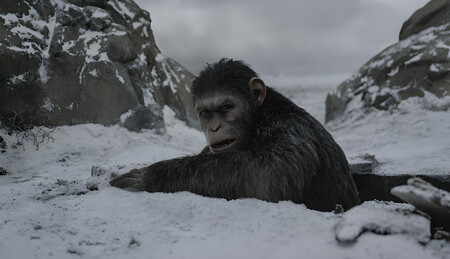
The film grossed $489 million and achieved a staggering 94% critical approval rating. It is frequently noted for its biblical overtones, positioning Caesar as a Moses-like figure leading his people to a promised land. The performance-capture technology reached a zenith in this installment, with many industry analysts and critics arguing that Andy Serkis deserved an Academy Award nomination for his portrayal of the aging, battle-worn leader.
Kingdom of the Planet of the Apes (2024)
The most recent addition to the series, Kingdom of the Planet of the Apes, directed by Wes Ball (The Maze Runner), jumps forward roughly 300 years after the death of Caesar. In this era, apes have become the dominant species, divided into various clans and kingdoms, while humans have regressed into a feral, primitive state.
The film explores the distortion of historical legacy, as the antagonist, Proximus Caesar, manipulates the teachings of the original Caesar to justify his own tyrannical expansion. Kingdom grossed over $397 million during its 2024 theatrical run and maintains an 80% approval rating. As the first film produced entirely under the Disney/20th Century Studios banner, it serves as the foundation for a new trilogy intended to bridge the gap toward the events of the original 1968 film.
The Technological Impact: Performance Capture and Weta Digital
A significant portion of the franchise’s enduring appeal lies in its technical innovation. The collaboration between the actors and Weta Digital redefined what was possible with performance capture. Unlike the prosthetic makeup used in the 1968 original and the 2001 Tim Burton remake, the modern films used digital "skins" mapped over real-time human performances.
This allowed for a level of emotional expression previously unseen in digital characters. The technology evolved from controlled studio environments in Rise to rugged, outdoor, and snowy locations in War and Kingdom. Industry analysts suggest that the success of these films paved the way for the visual fidelity seen in other massive projects, such as James Cameron’s Avatar sequels. The departure of these films from Max represents the loss of a significant chapter in the history of cinematic visual effects for the platform’s subscribers.
The Broader Impact of Streaming Rights Consolidation
The exit of these titles from Max on September 7 is a direct consequence of the 2019 Disney-Fox merger. While Warner Bros. Discovery (the parent company of Max) held legacy licensing agreements that allowed them to host these 20th Century Studios titles for several years, those contracts are now expiring.
For consumers, this reflects a broader trend in the "streaming wars" toward ecosystem exclusivity. Disney has been aggressive in reclaiming its licensed content to bolster the library of Disney+ and Hulu. By centralizing the Planet of the Apes franchise, Disney ensures that fans of the series must remain within their subscription model to access the full chronology, which includes the 1968 classic and its four sequels, the 1970s television series, and the modern reboot films.
Strategic Chronology of the Franchise
For viewers looking to complete a marathon before the September 7 deadline, the chronology of the modern series provides a cohesive narrative experience. While Rise of the Planet of the Apes is the starting point, the three films leaving Max—Dawn, War, and Kingdom—constitute the meat of the world-building process.
- Rise of the Planet of the Apes (2011): The origin of Caesar and the virus.
- Dawn of the Planet of the Apes (2014): The breakdown of peace and the rise of inter-species conflict.
- War for the Planet of the Apes (2017): The final stand of the first generation of intelligent apes.
- Kingdom of the Planet of the Apes (2024): The exploration of a world where humans are no longer the masters.
The removal of these films from Max creates a sense of urgency for sci-fi enthusiasts. Historically, when high-profile franchises leave a platform, there is a measurable spike in viewership in the final 72 hours, as subscribers scramble to finish series before they are gated behind a different paywall.
Conclusion and Future Outlook
The Planet of the Apes franchise remains a rare example of a "prestige" blockbuster series. Its ability to balance massive financial returns with high-brow thematic content has secured its place in the pantheon of great science fiction. While the departure of Dawn, War, and Kingdom from Max may be an inconvenience for current subscribers, it marks the beginning of a new chapter for the franchise under the Disney umbrella.
With Wes Ball’s Kingdom of the Planet of the Apes successfully launching a new era, the franchise is poised for continued growth. Plans for future sequels are already in development, promising to further explore the 300-year gap and the eventual arrival of the "Icarus" spacecraft, which famously ties the reboot series back to the 1968 original. For now, the clock is ticking for Max users to witness the fall of man and the rise of the apes one last time on the platform.

0 Comments