
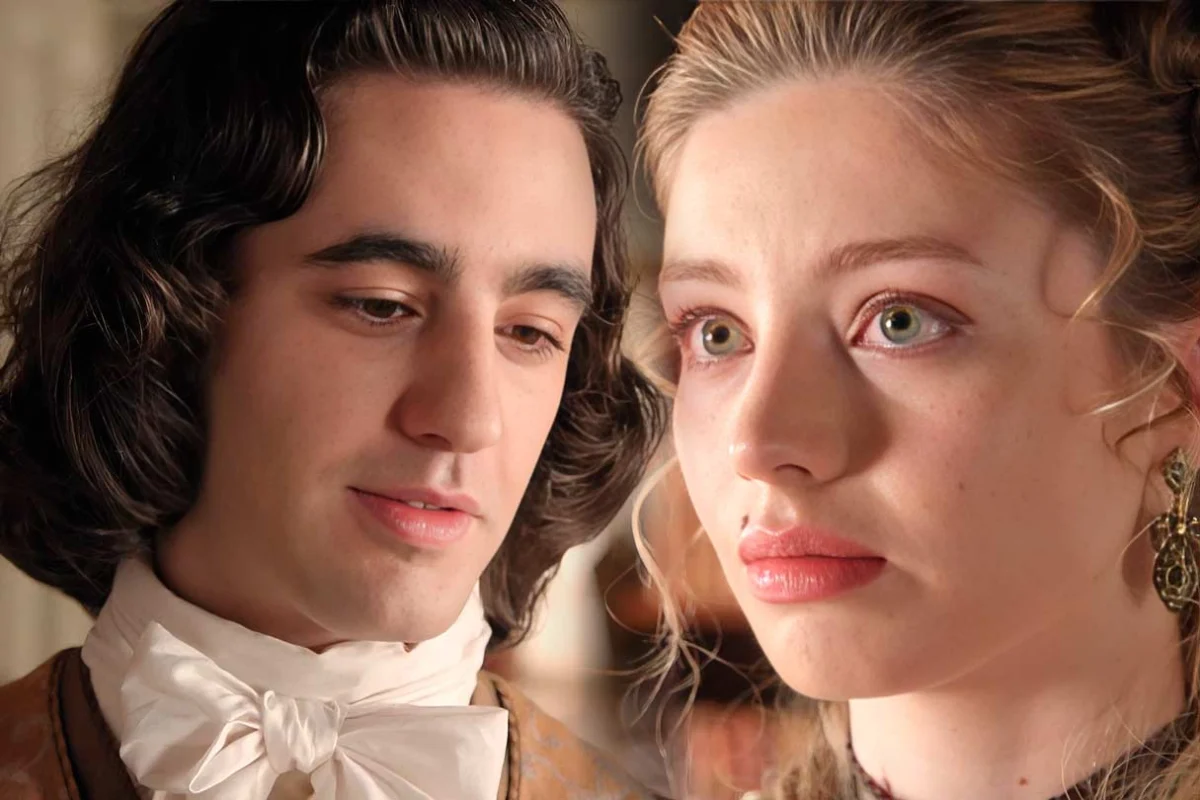
The narrative of "Valle Salvaje" (Wild Valley) is escalating, weaving a complex tapestry of maternal protection, sinister plots, and unexpected comedic interludes. At the heart of the unfolding drama lies a perilous secret: an infant, the child of Adriana, has been deliberately concealed by Luisa and Bárbara. This clandestine operation has inadvertently drawn the attention of Victoria Salcedo, the formidable matriarch of the household, who has become an unlikely protector of the baby. Unbeknownst to her, the child is her own grand-nephew, yet she feels an undeniable and profound connection, a bond that has become a central theme in the series’ current arc.
Victoria Salcedo: An Unforeseen Guardian
Victoria Salcedo’s maternal instincts, seemingly unburdened by the full truth of the child’s parentage, are adding a layer of emotional depth to an already intricate plot. Her burgeoning affection for the infant, while innocent, amplifies the stakes for those involved in the secret. This development occurs against a backdrop of escalating threats, with Damiaso, a character with clearly malevolent intentions, actively plotting against the heir. The tightening noose around the child’s safety is palpable, suggesting an imminent confrontation or a desperate bid for survival. The series, known for its adept balance of high drama and sharp wit, is showcasing this duality through various character interactions and plot points.
A Comedic Interlude Amidst Growing Danger
While the overarching narrative teeters on the edge of danger, "Valle Salvaje" consistently injects moments of levity, primarily through the character of Alejo. In a particularly memorable scene, Alejo is depicted reading aloud a passage from a romance novel, its prose steeped in dramatic declarations of love and sacrifice. The excerpt reads: "I would rather die now remembering her smile than live a hundred years and never have known her." This poignant confession, framed as the final testament of a devoted lover, is met with a pragmatic, almost dismissive, response from his listener. The interlocutor acknowledges the sentiment, stating, "As an ending, it’s not bad," but then expresses a preference for the "original," which was deemed "more appropriate, more tender."
However, the scene takes a turn towards the absurd when Alejo inadvertently reveals his own creative ambitions. He refers to the novel’s audience as "his readers," a slip of the tongue that betrays his authorship. When confronted with this discrepancy, Alejo doubles down, confidently asserting, "It’s because I wrote it." This declaration leaves Manuela, his companion, utterly speechless.
The Unveiling of Alejo’s Literary Aspirations
Manuela’s reaction to Alejo’s claim is swift and biting. "I’ve met many braggarts in my life, and believe me, none surpass you in shamelessness," she retorts without hesitation. Undeterred, Alejo persists with the stubborn conviction of someone who genuinely believes in his own fictional creations. "Manuela, I’m not lying to you, I wrote it. Not without considerable effort, I assure you, but I wrote it," he insists.
Manuela, far from being convinced, resorts to a sharp, biting irony. "It also took me a lot of effort to paint ‘The Surrender of Breda’," she states, drawing a parallel between Alejo’s claimed authorship and a masterpiece from the Golden Age of Spanish painting, a work by Diego Velázquez. This audacious comparison underscores the depth of her skepticism, implying that Alejo’s pretension is as outlandish as claiming credit for a renowned historical artwork.
"That’s tremendous, Alejo. Tremendous," she concludes, before announcing her departure, "I’m leaving before I have an apoplexy." The exchange culminates with Alejo appealing to Braulio to return the novel, remaining steadfast in his assertion of authorship.

Juxtaposition of Humor and Peril
This scene, designed to elicit hearty laughter from the audience, unfolds in stark contrast to the immediate proximity of the hidden infant, whose future grows increasingly uncertain. It is precisely this juxtaposition of lighthearted comedy and grave danger that defines "Valle Salvaje." The series masterfully allows laughter and drama to coexist without undermining each other, ensuring that each scene leaves the viewer craving more.
Contextualizing the Narrative: "Valle Salvaje" and its Thematic Elements
"Valle Salvaje," as a dramatic series, often explores themes of family secrets, hidden identities, and the consequences of past actions. The current storyline, centered around the concealed infant, taps into these core elements, raising questions about lineage, inheritance, and the lengths to which characters will go to protect or expose the truth. The introduction of Victoria Salcedo as an unwitting protector adds a layer of maternal complexity, suggesting that the bonds of family can manifest in unexpected ways, even when based on incomplete information.
The character of Damiaso represents a recurring antagonist archetype, driven by ambition and a willingness to employ ruthless tactics. His machinations against the child serve as a primary source of conflict, driving the suspense and urgency of the plot. The series’ ability to weave these dramatic threads with moments of genuine humor, as exemplified by the Alejo-Manuela exchange, is a key factor in its appeal. This comedic relief not only provides a welcome respite from the tension but also serves to humanize the characters and make their predicaments more relatable.
Supporting Data and Potential Implications
While specific viewership data for individual episodes or arcs is proprietary to the network airing "Valle Salvaje," the consistent engagement with dramatic telenovela-style narratives in its target markets suggests a strong existing audience base. The series’ reliance on classic dramatic tropes, such as hidden heirs, clandestine romances, and power struggles, resonates with viewers who are accustomed to and appreciate these narrative structures.
The implications of the child’s secret being revealed are far-reaching. It could trigger a significant shift in the family power dynamics, potentially challenging existing claims to inheritance and property. Furthermore, the exposure of Adriana’s secret could lead to a reevaluation of her past relationships and the motives of those who have sought to conceal her child. The unfolding events also place Victoria Salcedo in a position of potential conflict, as her newfound maternal affection might clash with the established order or other family interests.
Inferred Reactions and Future Trajectories
Based on the established character dynamics, it can be inferred that Luisa and Bárbara, who are actively hiding the child, are likely experiencing immense stress and fear. Their actions suggest a deep-seated motivation, possibly stemming from a desire to protect the child from Damiaso, or perhaps from other hidden agendas. Manuela’s sharp wit and skepticism, while providing comedic relief, also indicate a keen intellect and a discerning nature. Her reaction to Alejo’s claim of authorship suggests a pragmatic and perhaps jaded outlook, likely born from past experiences with unreliable individuals.
Alejo’s unwavering belief in his own fictional creation, despite Manuela’s disbelief, points to a character who is either deluded, exceptionally optimistic, or possesses a hidden talent that he is struggling to have recognized. His insistence on his authorship, even when faced with such a dismissive comparison, suggests a deep-seated ambition or a profound connection to his writing.
The narrative trajectory suggests an inevitable confrontation between Damiaso and those protecting the child. The growing emotional investment of Victoria Salcedo in the infant’s well-being could also position her as a key player in future conflicts, potentially acting as a formidable shield against any threats. The series is likely building towards a climax where the child’s identity is fully revealed, leading to significant repercussions for all involved. The careful interweaving of suspenseful plotlines with moments of character-driven humor ensures that "Valle Salvaje" continues to capture the attention of its audience, promising further twists and turns in its exploration of secrets, family, and survival.

0 Comments