
 Julia Chirkova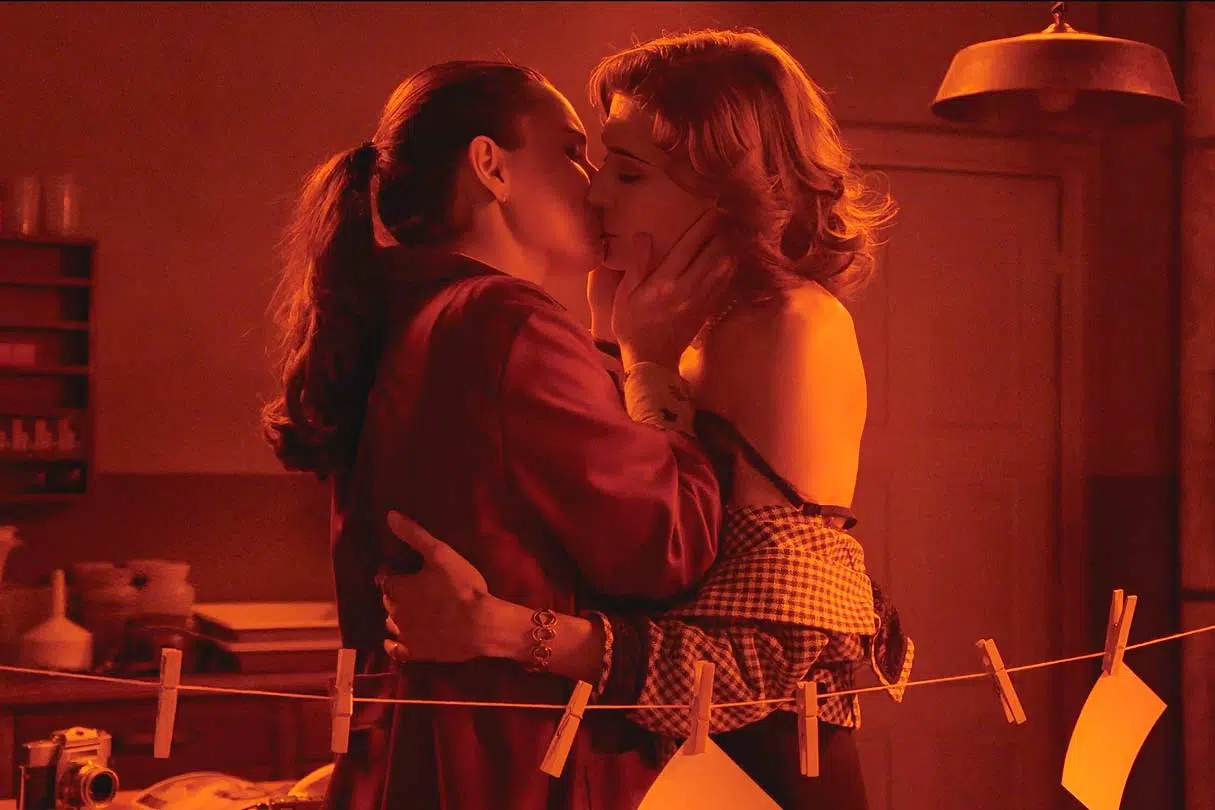
"Dreams of Freedom" has solidified its position as the most-watched daily series on television, captivating audiences each afternoon on Antena 3 and on the streaming platform Atresplayer. Consistently drawing in over 1.2 million viewers on average, the show maintains a strong market share exceeding 14.5%, underscoring its significant cultural impact. Entering its third season, the fictional drama continues to weave intricate narratives where love is rarely straightforward and almost always forbidden.
The series has demonstrably proven that impossible romances are the primary driving force behind its compelling storyline. It is precisely when societal norms, existing marriages, or even moral boundaries stand in the way that sparks ignite, leading to unforgettable kisses that resonate with viewers.
In observance of International Kiss Day, and acknowledging its late arrival, this retrospective aims to commemorate those pivotal moments that have prompted widespread discussion, emotional engagement, and even moments of scandal for the audience. These passionate, clandestine, and highly debated kisses have undeniably marked a turning point in the series’ narrative trajectory.
Andrés and Begoña: The Archetype of Impossible Love
The central relationship, perpetually on the cusp of fulfillment yet never fully realized, serves as the quintessential example of an impossible romance. The narrative consistently presents a scenario where one character is romantically unattached while the other is bound, creating an ongoing cycle of missed opportunities and thwarted desires.
Their kisses, while often restrained, are charged with palpable emotion, reflecting a story that struggles to find its place within the established order. These encounters are invariably mistimed, conducted in secrecy, and perpetually hover on the edge of transgression, adding layers of tension and longing to their dynamic.
The Evolving Landscape of Forbidden Love in "Dreams of Freedom"
"Dreams of Freedom" is set against the backdrop of early 20th-century Spain, a period characterized by rigid social structures, strict moral codes, and limited individual freedoms, particularly for women. The series masterfully uses this historical context to amplify the forbidden nature of its romantic entanglements. The early episodes, which premiered in February 2024, quickly established the central conflict surrounding Begoña, who is married to the controlling Julio, and her burgeoning, yet deeply complicated, feelings for Andrés.
The initial premise often positions Begoña as a woman trapped by societal expectations and her marital vows. Her clandestine meetings and the stolen moments with Andrés are not merely romantic interludes but acts of rebellion against a restrictive society. The tension arises from the constant threat of discovery and the potential repercussions, which in that era could range from social ostracization to severe personal consequences.
Chronology of Key Forbidden Kisses and Relationships
The series’ narrative arc has been punctuated by several key romantic developments that have pushed the boundaries of societal acceptance:
-
The Inception of Andrés and Begoña’s Forbidden Connection: From the outset, the chemistry between Begoña and Andrés was evident. Their early interactions, often charged with unspoken feelings, gradually escalated. The first significant physical expression of their forbidden desire – a kiss – likely occurred in the initial weeks of the series, setting the stage for the enduring tension. This kiss, born out of shared vulnerability and mutual attraction, would have been a watershed moment, solidifying their illicit connection and the inherent danger it represented. The timing of this kiss, occurring before any significant societal shifts within the narrative that might legitimize their feelings, amplified its forbidden nature.
-
The Escalation of Adulterous Affairs: As the series progressed into its first and second seasons, other characters also found themselves entangled in extramarital affairs, mirroring and sometimes diverging from the central Andrés-Begoña dynamic. These subplots often involved individuals of different social classes or those in unhappy marriages, highlighting the widespread dissatisfaction with prescribed relationships. The kisses shared in these contexts, whether driven by passion, desperation, or a search for genuine connection, further illustrated the series’ exploration of infidelity as a response to societal constraints. The period between March and June 2024 likely saw the unfolding and intensification of these secondary forbidden romances, as the audience became more invested in the characters’ complex lives.
-
Romances Transcending Social Barriers: Beyond adultery, "Dreams of Freedom" has also explored romances that defy rigid social hierarchies. These relationships, often between characters from vastly different economic or social strata, inherently carried a forbidden element due to the era’s deeply entrenched class distinctions. The kisses exchanged in these pairings represented not just personal affection but a challenge to the established social order. For instance, if a romance were to develop between a noblewoman and a stable hand, any public display of affection, let alone a kiss, would have been met with severe disapproval and potential scandal. The narrative’s exploration of such themes between April and July 2024 would have provided a broader commentary on the limitations of love in a stratified society.
-
The Third Season’s Intensification: The current, third season, which commenced in the latter half of 2024, has seen a further escalation of romantic complexities. The series has not shied away from depicting the emotional turmoil and consequences of these forbidden unions. Kisses in this phase are often imbued with a sense of urgency, desperation, and the heightened risk of exposure. The narrative is likely exploring the fallout from previous transgressions, forcing characters to make difficult choices and confront the repercussions of their forbidden desires. This ongoing season continues to leverage the historical setting to explore the profound personal cost of defying convention.
Supporting Data and Audience Engagement
The consistent viewership figures for "Dreams of Freedom" are a testament to the audience’s deep engagement with its dramatic storylines, particularly the forbidden romances. Nielsen data for Antena 3 consistently places the series among the top-performing programs in its time slot. Beyond linear television, the series’ success on Atresplayer indicates a younger demographic’s preference for on-demand viewing, further broadening its reach.
The social media activity surrounding "Dreams of Freedom" also provides a quantifiable measure of its impact. Hashtags related to the series and its characters frequently trend during and after broadcast times, with discussions often centering on the romantic entanglements. Fan theories, debates about character motivations, and reactions to particularly scandalous moments are common, demonstrating a highly interactive and invested viewership. This engagement suggests that the themes of forbidden love and societal defiance resonate strongly with contemporary audiences.
Analysis of Implications: Love, Society, and Rebellion
The enduring appeal of "Dreams of Freedom" lies in its ability to tap into universal themes of love, desire, and the struggle against societal constraints. The forbidden kisses serve as potent symbols of these themes, representing moments of authentic human connection that defy the artificial barriers erected by convention.
The series’ success suggests a contemporary audience’s fascination with historical narratives that explore personal freedom and rebellion against oppressive social norms. By portraying these forbidden romances, "Dreams of Freedom" not only entertains but also prompts reflection on the evolution of societal attitudes towards love, marriage, and individual autonomy. The series implicitly argues that the pursuit of genuine connection, even when fraught with risk, is a fundamental aspect of the human experience.
Furthermore, the ongoing popularity of these romantic subplots highlights a sustained public interest in narratives that explore the complexities of relationships, infidelity, and the consequences of defying societal expectations. The historical setting provides a safe distance for audiences to engage with these often controversial themes, allowing for a vicarious experience of rebellion and passion without the direct personal stakes. The series’ consistent ability to generate discussion and emotional investment underscores its effectiveness in crafting compelling, character-driven drama.
The narrative choices within "Dreams of Freedom" also reflect a broader trend in popular media to explore nuanced and often morally ambiguous romantic relationships. The emphasis on "forbidden" love suggests that audiences are drawn to stories that challenge conventional notions of romance and fidelity, exploring the grey areas where personal desire clashes with societal obligation. The show’s continued success indicates that this exploration is not only captivating but also relevant to contemporary discussions about relationships and personal freedom.


 Eva Lovia
 Julia Prastini
 Jia Lissa
 admin
admin
 Raisa Andriana