
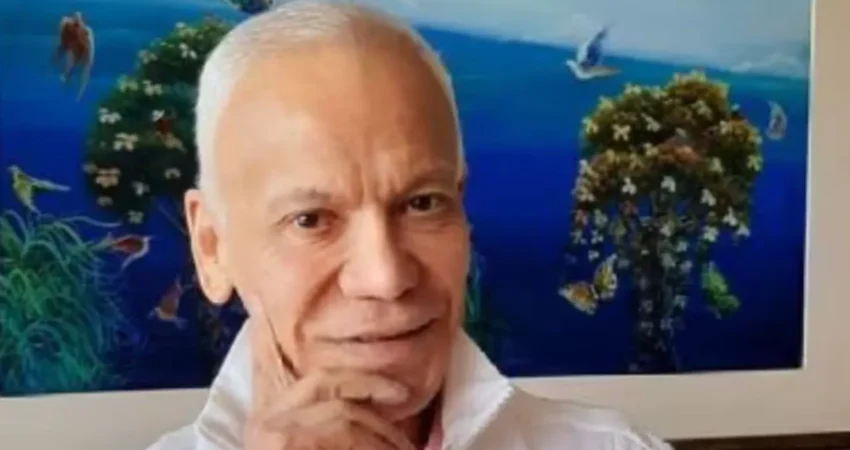
Juan Guillermo Ríos, one of Colombia’s most cherished and influential television journalists, passed away on Sunday, September 6, 2026, in Medellín at the age of 75. His death marks the end of a distinguished career that spanned decades, leaving an indelible mark on the nation’s media landscape. Ríos was not just a reporter and presenter; he was a figure who shaped public discourse and connected with audiences on a profound level, his distinctive sign-off – "I wish you peace, love, and good spirits" – becoming a beloved hallmark of his broadcasts.
A Career Defined by Excellence and Reach
Ríos’s professional journey was marked by a relentless pursuit of journalistic integrity and an exceptional ability to connect with the Colombian public. His most celebrated period came in the 1980s when he served as the director and anchor of Noticiero de las Siete (News of the Seven). During this era, the program achieved unprecedented ratings, frequently capturing over 70% of the national television audience. This staggering figure underscores Ríos’s immense popularity and the trust he commanded from viewers, making Noticiero de las Siete a cornerstone of information and a cultural touchstone for an entire generation of Colombians. The program’s success was not merely a statistical anomaly; it reflected a period when television news held immense sway, and Ríos was at the epicenter of this powerful medium.
His influence extended beyond the television screen. Ríos was a respected figure in radio, having begun his career at Caracol Radio in 1970. He held various significant roles within the media, including directing Noticias de Radio Santa Fe. His professional experience also encompassed stints at Caracol Televisión, Revista Semana, and the radio stations of the National Police. The National Signal Memory archive (Señal Memoria) holds valuable records of his directorial work on Noticiero de las Siete, including significant pieces from 1984, preserving a tangible legacy of his journalistic contributions.
Beyond his direct work in news dissemination, Ríos also dedicated himself to the broader field of communications and education. He served as a university professor, imparting his knowledge and experience to aspiring journalists. Furthermore, he lent his expertise as a communications advisor to various ministers and governments, demonstrating a versatility that bridged the gap between media practice and public administration. This multifaceted career allowed him to influence communication strategies at multiple levels, shaping both public perception and institutional messaging.
Navigating Adversity with Resilience
Ríos’s life was not without its significant challenges, which he faced with remarkable fortitude. In 1982, he was the victim of a kidnapping by members of the M-19 guerrilla group. This traumatic experience, a stark reflection of the turbulent socio-political climate of Colombia during that period, undoubtedly shaped his perspective and added a profound layer to his personal narrative. Later in his career, towards the end of the 1990s, he confronted a diagnosis of cancer. Demonstrating the same resilience that characterized his public life, he successfully overcame the illness, a testament to his inner strength and determination. His recovery allowed him to continue his impactful work in journalism and communications for many more years.
Early Life and Foundational Education
Born in Medellín in 1951, Juan Guillermo Ríos was the fourth of eleven siblings. His formative years were spent in the vibrant city of Medellín, where he received his early education. He pursued higher studies at the Universidad de Antioquia, a prominent institution in the region, and furthered his academic pursuits with studies in Belgium. This international exposure likely broadened his worldview and contributed to his sophisticated approach to journalism and communication. His upbringing in a large family and his academic background provided a solid foundation for the distinguished career that would follow.
The Golden Age of Colombian Television News
Ríos’s most impactful work coincided with a pivotal era in Colombian television history. During the 1980s, television was the dominant mass medium, playing a central role in the daily lives of most Colombians. News programs were not just sources of information but also cultural events that fostered national conversation. In this environment, Ríos’s presence on Noticiero de las Siete made him one of the most recognizable and trusted faces in Colombian television journalism. His ability to deliver complex news with clarity and empathy resonated deeply with a diverse audience, solidifying his position as a national media figure. The 70% viewership figure for Noticiero de las Siete is a powerful indicator of the media’s concentrated influence at the time, with Ríos as its leading ambassador.
A Legacy Beyond the Headlines
The passing of Juan Guillermo Ríos represents a significant loss for Colombian journalism, but his legacy is multifaceted and enduring. He not only excelled in the fast-paced world of television news but also made substantial contributions to radio, academia, and public communications. His career serves as an inspiration to current and future generations of journalists, demonstrating the power of clear communication, unwavering integrity, and a deep connection with the audience.
His role as an educator at the university level ensured that his extensive knowledge and experience were passed on to those who would carry the torch of journalism forward. As a communications advisor, he played a crucial role in shaping the public image and messaging of governmental bodies, contributing to the broader landscape of institutional communication in Colombia. The fact that his work is preserved in national archives like Señal Memoria highlights his historical significance and ensures that his contributions will continue to be studied and remembered.
Context and Broader Implications
The death of a prominent journalist like Juan Guillermo Ríos prompts reflection on the state of the media and its role in society. In the 1980s, when Ríos achieved peak popularity, the media landscape was considerably different. Television news had a more centralized and influential position, and figures like Ríos commanded a level of national recognition that is perhaps harder to attain in today’s fragmented digital media environment. The 70% audience share for Noticiero de las Siete speaks to a time when a few dominant broadcasters shaped national discourse.
Ríos’s career also spanned periods of significant political and social upheaval in Colombia, including the challenges of internal conflict and the fight against drug trafficking, which often impacted the media directly through violence and censorship. His personal experience with kidnapping underscores the risks many journalists faced during these times. His ability to not only survive but thrive and continue his work speaks volumes about his dedication and resilience.
Furthermore, Ríos’s transition from a prominent media figure to an academic and government advisor reflects a common trajectory for respected professionals in the communications field. This diversification of roles highlights the transferable skills and deep understanding of public discourse that seasoned journalists develop. His work in these different capacities likely contributed to a more informed and nuanced approach to public policy and communication strategies within the Colombian government.
Tributes and Reactions
While the provided text does not include direct quotes or specific reactions from prominent figures, it is reasonable to infer that the news of Ríos’s passing would have elicited widespread tributes from colleagues, public officials, and the general public. Journalists, media organizations, and educational institutions that benefited from his work are expected to release statements honoring his contributions. Tributes would likely highlight his professionalism, his dedication to informing the public, and his personal warmth, as exemplified by his memorable sign-off. The historical significance of his role in shaping Colombian television news during its golden age would undoubtedly be a central theme in these acknowledgments.
Conclusion
Juan Guillermo Ríos was more than just a journalist; he was a communicator, an educator, and a resilient figure who navigated the complexities of Colombian society with grace and determination. His passing leaves a void in the hearts of many who grew up watching him on television or listening to him on the radio. His enduring legacy is etched in the historical records of Colombian media, in the memories of millions of viewers, and in the continued pursuit of journalistic excellence that he embodied throughout his distinguished career. The nation bids farewell to a true icon, whose voice and message of peace, love, and good spirits will continue to resonate.

0 Comments