
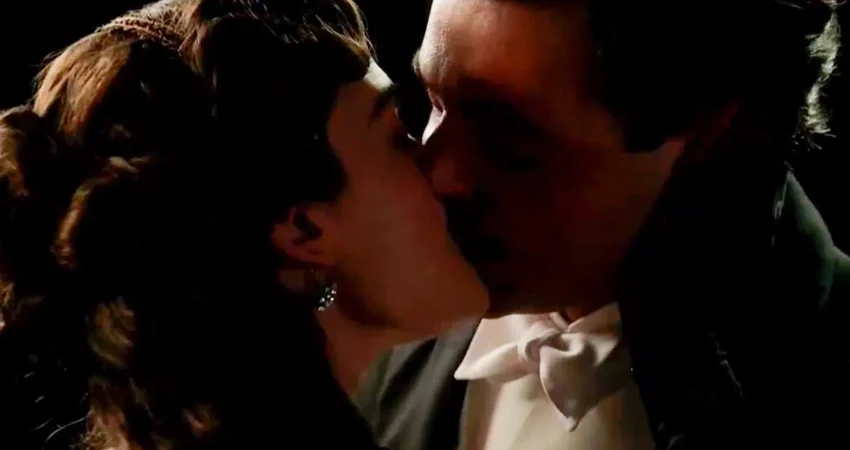
Chapter 916 of the acclaimed Spanish drama "La Promesa" is set to deliver a pivotal moment in the clandestine relationship between Manuel and Julieta, as the nobleman orchestrates a daring, intimate encounter in the secluded hangar. This risky rendezvous, occurring under the shadow of Ciro’s continued presence at the palace, marks a significant escalation in their forbidden romance, pushing the boundaries of their carefully guarded secrets. The episode also unravels further complexities surrounding the impending wedding of Curro and Ángela, as well as a potential sabotage impacting the celebratory banquet.
The unfolding narrative of "La Promesa" consistently explores themes of societal constraints, forbidden love, and the intricate web of relationships within the grand estate. Manuel, heir to the Luján family fortune, and Julieta, a woman navigating a precarious social position, have been engaged in a series of furtive meetings, their connection deepening amidst the constant threat of discovery. This chapter sees their emotional entanglement reach a critical juncture, with Manuel proposing a rendezvous specifically designed to maximize their privacy, yet simultaneously amplifying the inherent danger.
A Risky Proposition in the Dead of Night
Manuel’s proposition for a secret date in the hangar is a bold move, born out of the escalating passion and a desire to transcend the limitations imposed by their circumstances. The hangar, a location usually associated with Manuel’s aeronautical pursuits and a symbol of his freedom and ambition, is transformed into a clandestine sanctuary for their forbidden love. This choice of venue is not arbitrary; it signifies a deliberate attempt to carve out a space where their affections can flourish, away from the prying eyes of the estate’s inhabitants and the ever-watchful presence of Ciro, Julieta’s husband.
Julieta’s initial hesitation is understandable. The proximity of Ciro within the palace walls presents a tangible and immediate threat. Any misstep, any hint of her clandestine activities, could have severe repercussions, not only for her but potentially for Manuel as well. The historical context of aristocratic societies often imposed stringent rules on romantic entanglements, with unions typically dictated by lineage and alliances rather than personal affection. For Julieta, a woman seemingly caught between societal expectations and her burgeoning feelings, the stakes are exceptionally high. A discovered affair could lead to ostracization, scandal, and the potential ruin of her reputation, a fate that would have been difficult to recover from in the early 20th-century Spanish society depicted in the series.
Despite her reservations, the magnetic pull of her feelings for Manuel proves irresistible. The narrative suggests a prolonged period of emotional suppression, a sustained effort to keep their desires in check. This secret meeting in the hangar represents a cathartic release, an abandonment of caution in favor of embracing the raw emotion and passion that has been simmering between them. The episode is poised to depict an intensely intimate moment, a testament to the depth of their connection, and a night that will undoubtedly be etched into their memories. This scene serves as a crucial turning point, signifying a potential shift from covert affections to a more openly acknowledged, albeit still secret, commitment.
Curro and Ángela’s Wedding: Navigating Shifting Alliances and Sabotage
While Manuel and Julieta explore the depths of their passion, the impending wedding of Curro and Ángela continues to be a focal point of dramatic tension. The episode reveals the precarious position of Máximo, who remains determined to secure his desired place in the proceedings. His desperation leads him to a renewed negotiation with Leocadia, a powerful figure within the estate who wields considerable influence. Máximo’s plea is not merely for assistance but for a pact: if Leocadia can ensure Ángela accepts him as her escort to the altar, he pledges to marry her and elevate her to the title of Duchess of Buenaventura. This proposal highlights the transactional nature of relationships and power dynamics within the narrative, where personal ambition often intertwines with romantic entanglements.
Leocadia’s agreement, though secured, comes with a clear understanding of its cost. Her involvement is transactional, and the favor is not to be extended lightly. The narrative has consistently portrayed Leocadia as a shrewd operator, adept at leveraging her position for personal gain. Her agreement to assist Máximo underscores her strategic acumen and her willingness to engage in complex negotiations to further her own interests or those of individuals she supports.
In a surprising turn of events, Curro’s conversation with Ángela proves unexpectedly effective. Against prior expectations, Ángela reconsiders her stance and agrees to have Máximo accompany her to the altar. This decision, while seemingly a concession, opens up a new avenue of intrigue. The implications of this agreement are multifaceted. It could signify a genuine shift in Ángela’s feelings or a calculated move to navigate the complex social landscape. The historical context of arranged marriages and the pressures exerted by powerful families often forced individuals into unions that were more about securing status and alliances than personal happiness. Ángela’s decision may be a reflection of these pressures.

However, the wedding preparations are soon hit by a significant setback. During a routine check of the banquet arrangements, Ricardo discovers that the wine reserved for the celebration has been sold. The reason cited is an apparent notification from "La Promesa" canceling the order. This discovery immediately raises suspicions of foul play, hinting at a deliberate act of sabotage aimed at disrupting the wedding. The wine, a symbol of hospitality and celebration, becomes a casualty of underlying tensions and animosities.
Cristóbal faces a critical decision: whether to immediately inform the estate’s masters or attempt to rectify the situation discreetly. This dilemma reflects the internal conflicts and the complex decision-making processes that often characterize such large estates, where information control and strategic responses are paramount. Petra, ever the pragmatist, suggests finding an alternative solution before escalating the issue, a strategy that prioritizes damage control and maintaining a semblance of order. The conversation between Leocadia and Alonso, where they review the banquet details, underscores the delicate nature of these preparations and highlights the wine incident as a particularly challenging obstacle.
Martina’s Guilt and María and Samuel’s Confession
Meanwhile, Martina is grappling with profound guilt following the revelation of Jacobo’s true situation. The weight of this newfound knowledge compels her to take responsibility and seek ways to assist him, indicating a potential shift in her character and a growing sense of empathy. Her internal struggle and subsequent resolve to act suggest a deeper exploration of her moral compass and her capacity for redemption. The complexities of Jacobo’s circumstances, which have been a source of mystery, are now directly impacting Martina, forcing her to confront difficult truths and make challenging choices.
In parallel, the romantic narrative of María and Samuel reaches a significant milestone. The protracted period of emotional resistance they have exhibited finally dissipates. In a deeply romantic scene, they confess their true feelings for each other, culminating in a kiss that decisively breaks down the emotional barriers they had attempted to maintain. This long-awaited moment signifies a new chapter in their relationship, one where their shared affection can finally be openly expressed. The narrative has carefully built the tension between María and Samuel, portraying their connection as a slow burn, a testament to the gradual development of trust and genuine emotion in a setting often characterized by superficiality and obligation.
Broader Implications and Anticipation for Future Developments
The events of Chapter 916 of "La Promesa" are significant for several reasons. The deepening of Manuel and Julieta’s relationship, while thrilling for the characters, introduces a potent element of danger and potential scandal that could have far-reaching consequences for the Luján family. Their secret encounter in the hangar, a symbol of forbidden passion, sets the stage for future conflicts and moral dilemmas.
The machinations surrounding Curro and Ángela’s wedding, including Máximo’s ambition and the suspected sabotage, highlight the ongoing power struggles and hidden agendas within the estate. The sale of the wine, a seemingly minor detail, could be a precursor to more significant disruptions, revealing the extent to which certain individuals are willing to go to achieve their objectives.
Martina’s internal turmoil and her commitment to helping Jacobo suggest a developing storyline that will likely explore themes of loyalty, responsibility, and perhaps even atonement. The romantic resolution between María and Samuel offers a moment of heartfelt connection amidst the prevailing drama, providing a counterpoint to the more turbulent relationships.
As the series progresses, the interplay between these various storylines promises to create a rich tapestry of human emotion, ambition, and societal pressure. The meticulously crafted narratives of "La Promesa" continue to captivate audiences by delving into the intricacies of love, betrayal, and the enduring pursuit of happiness within the confines of a rigidly structured world. The preview for Chapter 916 indicates a heightened sense of drama, with pivotal moments for key characters and the potential for significant plot developments that will undoubtedly keep viewers eagerly anticipating future episodes. The show’s success lies in its ability to balance these personal dramas with the broader societal and historical context of its setting, creating a compelling and immersive viewing experience.

0 Comments